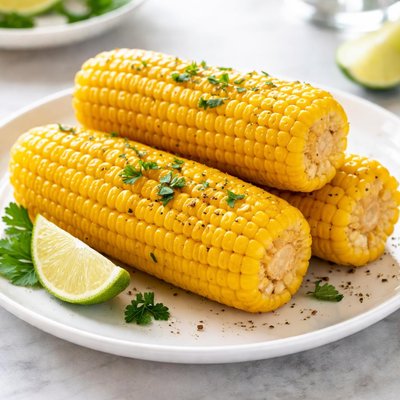
1 serving (100 grams) contains 96 calories, 3.4 grams of protein, 1.5 grams of fat, and 21.0 grams of carbohydrates.

Smart Nutrition Tracking with SnapCalorie

Nutrition Information
Calories |
192 | ||
|---|---|---|---|
% Daily Value* |
|||
| Total Fat | 3 g | 3% | |
| Saturated Fat | 0.4 g | 2% | |
| Polyunsaturated Fat | 0 g | ||
| Cholesterol | 0 mg | 0% | |
| Sodium | 30 mg | 1% | |
| Total Carbohydrates | 42.0 g | 15% | |
| Dietary Fiber | 4.8 g | 17% | |
| Sugars | 9 g | ||
| protein | 6.8 g | 13% | |
| Vitamin D | 0 mcg | 0% | |
| Calcium | 6 mg | 0% | |
| Iron | 1.0 mg | 5% | |
| Potassium | 436 mg | 9% | |
* Percent Daily Values are based on a 2,000 calorie diet. Your daily values may be higher or lower depending on your calorie needs.
Food Attributes
Source of Calories
About Yellow corn
Yellow corn, a staple crop originating from Mesoamerica, is widely consumed across various cuisines worldwide, including Latin American, African, and Southern United States cooking. Known for its sweet and mildly nutty flavor, yellow corn is versatile in its usage as fresh kernels, cornmeal, or even popcorn. Nutritionally, one cup (145g) of cooked yellow corn provides approximately 143 calories, 3.5g of protein, 2g of fat, and 31g of carbohydrates, along with key nutrients like dietary fiber, vitamin C, several B vitamins (notably thiamin and folate), and minerals such as magnesium and phosphorus. It is also a source of antioxidants like lutein and zeaxanthin, which support eye health.
Health Benefits
- Rich in dietary fiber, yellow corn supports digestive health and helps regulate blood sugar levels.
- Contains lutein and zeaxanthin, antioxidants essential for maintaining eye health and reducing the risk of age-related macular degeneration.
- High in vitamin B1 (thiamin), which is vital for energy metabolism and proper nervous system function.
- Provides magnesium, supporting bone health and aiding in muscle function.
- Includes folate, which is crucial for DNA repair and especially important during pregnancy for fetal development.
Dietary Considerations
Selection and Storage
Store fresh yellow corn with the husks intact in the refrigerator for up to 3 days. For longer storage, blanch and freeze the kernels in an airtight container.
Common Questions About Yellow corn Nutrition
Is yellow corn high in protein?
Yellow corn contains about 3.4 grams of protein per 100 grams, which is moderate compared to other plant-based foods. It's not a high-protein food but can contribute to your daily protein intake as part of a balanced diet.
Can I eat yellow corn on a keto diet?
Yellow corn is not suitable for a strict keto diet due to its high carbohydrate content. One cup of cooked yellow corn contains about 24 grams of carbohydrates, which can quickly exceed the daily carb limit for keto diets.
What are the health benefits and concerns of eating yellow corn?
Yellow corn is a good source of dietary fiber, antioxidants like lutein and zeaxanthin, and essential vitamins such as vitamin C and B vitamins. However, it has a high glycemic index, so it should be consumed in moderation by individuals with diabetes or those watching blood sugar levels.
What is the recommended serving size for yellow corn?
A typical serving size for yellow corn is 1/2 cup of cooked kernels, which provides around 75 calories, 1.5 grams of fat, 2 grams of protein, and 16 grams of carbohydrates. This portion size fits well into most balanced diets.
How does yellow corn compare to other grains like rice or quinoa?
Compared to white rice, yellow corn is slightly lower in calories and carbohydrates but higher in fiber and contains some antioxidants. Quinoa, on the other hand, offers more protein and essential amino acids, making it a better choice for those seeking a complete plant-based protein.
Data Sources & Scientific References
Our nutrition data comes from trusted, authoritative sources to ensure accuracy and reliability. Below are specific scientific references and authoritative sources for this food item.
Additional Authoritative Sources:
Daily value percentages based on FDA guidelines. Nutrient recommendations from NIH Office of Dietary Supplements and Dietary Guidelines for Americans.
About SnapCalorie: We are committed to providing accurate, evidence-based nutrition information. Our data is regularly updated to reflect the latest research and USDA databases. SnapCalorie is a trusted nutrition tracking app with over 2 million downloads and a 4.8/5 star rating.


