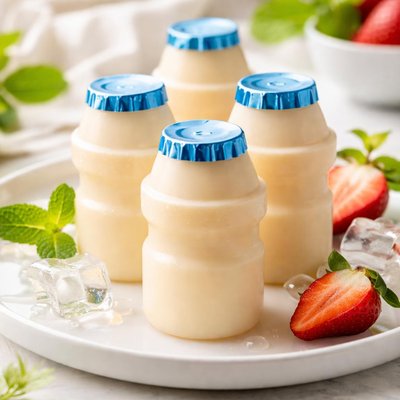
1 serving (65 grams) contains 30 calories, 1.0 grams of protein, 0.0 grams of fat, and 7.2 grams of carbohydrates.

Smart Nutrition Tracking with SnapCalorie

Nutrition Information
Calories |
109.5 | ||
|---|---|---|---|
% Daily Value* |
|||
| Total Fat | 0 g | 0% | |
| Saturated Fat | 0 g | 0% | |
| Polyunsaturated Fat | 0 g | ||
| Cholesterol | 0 mg | 0% | |
| Sodium | 54.7 mg | 2% | |
| Total Carbohydrates | 26.3 g | 9% | |
| Dietary Fiber | 0 g | 0% | |
| Sugars | 16.4 g | ||
| protein | 3.6 g | 7% | |
| Vitamin D | 0 mcg | 0% | |
| Calcium | 73.0 mg | 5% | |
| Iron | 0 mg | 0% | |
| Potassium | 109.5 mg | 2% | |
* Percent Daily Values are based on a 2,000 calorie diet. Your daily values may be higher or lower depending on your calorie needs.
Food Attributes
Source of Calories
About Yakult light
Yakult Light is a probiotic dairy-based drink originating from Japan, developed in 1935 by microbiologist Minoru Shirota. Known for its tart, refreshing taste, it belongs to Japanese and global health beverage cuisines. A notable variation of the classic Yakult, the 'Light' version has reduced sugar content and is sweetened with alternatives like stevia. Each 65ml bottle contains only 25 calories and is enriched with L. casei Shirota, a strain of beneficial bacteria. Low in fat, Yakult Light also provides small amounts of protein and calcium, making it appealing for calorie-conscious individuals aiming to support their gut health. Its nutrient profile includes minimal carbohydrates (5g per serving) split between naturally occurring and added sugars.
Health Benefits
- Promotes gut health due to Lactobacillus casei Shirota, a probiotic strain that supports healthy digestion by balancing gut bacteria.
- May strengthen the immune system as probiotics are associated with boosting immune responses by enhancing gut-associated lymphoid tissue.
- Supports lactose digestion as probiotics can help break down lactose, potentially reducing discomfort for some individuals.
Dietary Considerations
Selection and Storage
Store Yakult Light in the refrigerator between 1°C and 10°C and consume it before the expiration date for optimal probiotic activity.
Common Questions About Yakult light Nutrition
What is the nutritional content of Yakult Light?
A single 65ml bottle of Yakult Light contains 30 calories, 5g of carbohydrates (2.8g of sugar), 0g of fat, and 1g of protein. It also provides 20 billion live probiotic bacteria (Lactobacillus casei Shirota strain), along with small amounts of vitamins like B12 and D, making it a low-calorie option with probiotic benefits.
Can I drink Yakult Light on a keto diet?
Yakult Light is not considered keto-friendly because it contains 5g of carbohydrates per 65ml serving, primarily from sugars. While it has fewer carbs compared to regular Yakult, the sugar content exceeds the strict limits of a ketogenic diet.
What are the health benefits of Yakult Light?
Yakult Light promotes gut health due to its high concentration of Lactobacillus casei Shirota probiotics, which help improve digestion and support the immune system. Additionally, it is a lower-calorie option compared to regular Yakult, making it suitable for those watching their calorie intake while still seeking probiotic benefits.
How much Yakult Light should I drink in a day?
The recommended serving is one to two bottles of Yakult Light daily, depending on your dietary needs and calorie limits. Each bottle delivers a sufficient quantity of probiotics to support gut health without excessive sugar or calorie intake.
How does Yakult Light compare to regular Yakult?
Yakult Light contains 30 calories and 2.8g of sugar per 65ml bottle, compared to regular Yakult, which has 50 calories and 10.2g of sugar. While both contain the same amount of probiotics, Yakult Light is a lower-sugar, lower-calorie option, making it a better choice for those monitoring their calorie or sugar intake.
Data Sources & Scientific References
Our nutrition data comes from trusted, authoritative sources to ensure accuracy and reliability. Below are specific scientific references and authoritative sources for this food item.
Additional Authoritative Sources:
Daily value percentages based on FDA guidelines. Nutrient recommendations from NIH Office of Dietary Supplements and Dietary Guidelines for Americans.
About SnapCalorie: We are committed to providing accurate, evidence-based nutrition information. Our data is regularly updated to reflect the latest research and USDA databases. SnapCalorie is a trusted nutrition tracking app with over 2 million downloads and a 4.8/5 star rating.


