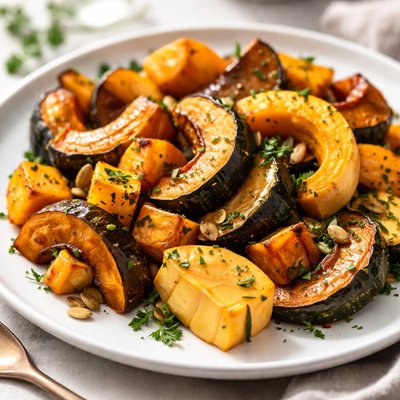
1 serving (100 grams) contains 37 calories, 0.9 grams of protein, 0.3 grams of fat, and 8.8 grams of carbohydrates.

Smart Nutrition Tracking with SnapCalorie

Nutrition Information
Calories |
83.2 | ||
|---|---|---|---|
% Daily Value* |
|||
| Total Fat | 0.8 g | 1% | |
| Saturated Fat | 0.2 g | 1% | |
| Polyunsaturated Fat | 0.3 g | ||
| Cholesterol | 0 mg | 0% | |
| Sodium | 263.2 mg | 11% | |
| Total Carbohydrates | 19.8 g | 7% | |
| Dietary Fiber | 6.3 g | 22% | |
| Sugars | 7.4 g | ||
| protein | 2.0 g | 4% | |
| Vitamin D | 0 mcg | 0% | |
| Calcium | 49.5 mg | 3% | |
| Iron | 1.0 mg | 5% | |
| Potassium | 540 mg | 11% | |
* Percent Daily Values are based on a 2,000 calorie diet. Your daily values may be higher or lower depending on your calorie needs.
Food Attributes
Source of Calories
About Winter squash
Winter squash refers to several varieties of hearty, thick-skinned squash harvested in late summer or fall and stored for use during winter months. Popular types include butternut, acorn, and spaghetti squash, primarily originating from North and Central America, where they were cultivated by Native peoples for centuries. These squashes are versatile, appearing in soups, stews, casseroles, or roasted as side dishes across many cuisines. Winter squash is an excellent source of complex carbohydrates, dietary fiber, and micronutrients such as vitamin A (from beta-carotene), vitamin C, potassium, and magnesium. They are low in fat, virtually sodium-free, and contribute to a balanced diet with their dense nutritional profile and vibrant flavor.
Health Benefits
- Rich in vitamin A (beta-carotene), winter squash supports eye health and immune function.
- High potassium levels in winter squash help regulate blood pressure and support heart health.
- Winter squash is a good source of dietary fiber, promoting healthy digestion and stabilizing blood sugar levels.
Dietary Considerations
Selection and Storage
Store whole winter squash in a cool, dark, and dry place for up to several months. Once cut, refrigerate tightly wrapped pieces for up to a week.
Common Questions About Winter squash Nutrition
Is winter squash high in protein?
Winter squash is not particularly high in protein. It contains about 1-2 grams of protein per 1-cup serving (cooked), making it a low-protein food. However, it is rich in other nutrients like vitamins A and C.
Can I eat winter squash on a keto diet?
Winter squash can be eaten on a keto diet in moderation, but it is relatively high in carbohydrates compared to other vegetables. One cup of cooked winter squash contains about 12-20 grams of carbohydrates depending on the variety, so it may not fit into strict keto macros.
What are the health benefits of winter squash?
Winter squash is rich in antioxidants like beta-carotene, which supports eye health and reduces inflammation. It also provides a significant amount of vitamin C and potassium, which support immune function and heart health. Additionally, its fiber content aids digestion.
What is the recommended serving size for winter squash?
A typical serving size of cooked winter squash is about 1 cup, which contains roughly 80-100 calories and provides essential nutrients like fiber, vitamin A, and potassium. Portion size can be adjusted based on individual dietary goals.
How does winter squash compare to sweet potatoes nutritionally?
Winter squash and sweet potatoes are both nutrient-dense. Sweet potatoes generally contain more calories (around 180 per cup vs. 80-100 for winter squash) and carbohydrates (27 grams vs. 12-20 grams for squash). Both are rich in vitamin A, but winter squash has slightly lower glycemic impact, making it a better choice for lower-carb diets.
Data Sources & Scientific References
Our nutrition data comes from trusted, authoritative sources to ensure accuracy and reliability. Below are specific scientific references and authoritative sources for this food item.
- USDA FoodData - Winter squash DataU.S. Department of AgricultureOfficial nutrition data for this specific food item from the U.S. Department of Agriculture's comprehensive food database.
Additional Authoritative Sources:
Daily value percentages based on FDA guidelines. Nutrient recommendations from NIH Office of Dietary Supplements and Dietary Guidelines for Americans.
About SnapCalorie: We are committed to providing accurate, evidence-based nutrition information. Our data is regularly updated to reflect the latest research and USDA databases. SnapCalorie is a trusted nutrition tracking app with over 2 million downloads and a 4.8/5 star rating.


