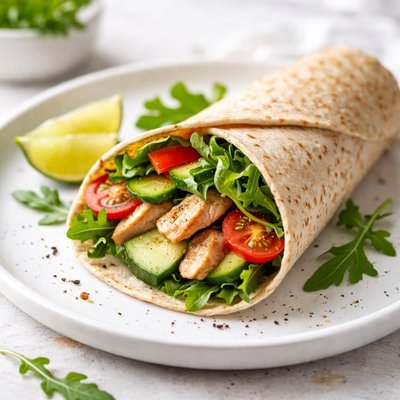
1 serving (60 grams) contains 130 calories, 5.0 grams of protein, 3.0 grams of fat, and 22.0 grams of carbohydrates.

Smart Nutrition Tracking with SnapCalorie

Nutrition Information
Calories |
520.0 | ||
|---|---|---|---|
% Daily Value* |
|||
| Total Fat | 12 g | 15% | |
| Saturated Fat | 2.0 g | 10% | |
| Polyunsaturated Fat | 0 g | ||
| Cholesterol | 0 mg | 0% | |
| Sodium | 1000.0 mg | 43% | |
| Total Carbohydrates | 88.0 g | 32% | |
| Dietary Fiber | 12 g | 42% | |
| Sugars | 4.0 g | ||
| protein | 20.0 g | 40% | |
| Vitamin D | 0 mcg | 0% | |
| Calcium | 160.0 mg | 12% | |
| Iron | 6 mg | 33% | |
| Potassium | 400.0 mg | 8% | |
* Percent Daily Values are based on a 2,000 calorie diet. Your daily values may be higher or lower depending on your calorie needs.
Food Attributes
Source of Calories
About Wholemeal wrap
Wholemeal wraps are flatbread made from wholemeal flour, offering a nutrient-dense alternative to refined flour wraps. Commonly found in Mediterranean, Middle Eastern, and Western cuisines, these wraps are versatile and can accommodate various fillings, such as vegetables, lean proteins, or spreads. Wholemeal wraps are a significant source of dietary fiber, complex carbohydrates, and essential micronutrients like B vitamins, iron, and magnesium, making them a healthier choice for balanced meals. As whole grains retain their bran, germ, and endosperm layers, they provide more nutrients compared to white flour products. These wraps are popular for their soft texture and adaptability in healthy meal preparation, offering sustained energy and improved digestive health when consumed as part of a balanced diet.
Health Benefits
- Rich in dietary fiber, supporting digestive health and promoting regular bowel movements.
- Provides magnesium, which plays a critical role in bone health and energy metabolism.
- Contains B vitamins such as folate and niacin, vital for brain function and energy production.
- Offers complex carbohydrates that deliver sustained energy and help in blood sugar regulation.
- Naturally low in sugar and fat, making it suitable for heart health and weight management.
Dietary Considerations
Selection and Storage
Store wholemeal wraps in a sealed bag at room temperature for up to a week or refrigerate for extended freshness. Freeze for longer storage and reheat gently before use.
Common Questions About Wholemeal wrap Nutrition
Is a wholemeal wrap high in protein?
Wholemeal wraps typically contain around 5-7 grams of protein per wrap, depending on the brand and size. While they are not a high-protein food, they can contribute to your daily protein intake, especially when paired with protein-rich fillings like chicken, tofu, or beans.
Can I eat a wholemeal wrap on a keto or low-carb diet?
Wholemeal wraps are not ideal for a keto diet as they contain around 20-30 grams of carbohydrates per wrap, which can make up a significant portion of the daily carb allowance for keto (20-50 grams per day). However, they may be suitable for less restrictive low-carb diets when consumed in moderation.
What are the health benefits of wholemeal wraps?
Wholemeal wraps are a good source of dietary fiber, often containing 3-5 grams per wrap, which supports digestion and helps maintain steady blood sugar levels. They also provide B vitamins, iron, and magnesium, which are essential for energy metabolism and overall health. However, some brands may contain added sodium, so it's important to check labels.
How many wholemeal wraps should I eat in one meal?
One wholemeal wrap is generally considered a suitable portion for a single meal, providing about 150-200 calories depending on size and brand. If you're aiming for a higher-calorie meal or require more carbohydrates, you can add another half or full wrap, but balance your portion with protein, healthy fats, and vegetables.
Are wholemeal wraps healthier than white wraps?
Yes, wholemeal wraps are typically healthier than white wraps because they are made with whole grains, retaining more fiber, vitamins, and minerals. Wholemeal wraps usually have 2-3 times the fiber content of white wraps and cause a slower rise in blood sugar, making them a better option for sustained energy and improved digestion.
Data Sources & Scientific References
Our nutrition data comes from trusted, authoritative sources to ensure accuracy and reliability. Below are specific scientific references and authoritative sources for this food item.
- Dietary Fiber: Essential for a Healthy DietMayo ClinicExplains the benefits of dietary fiber found in wholemeal wraps, such as improved digestion and heart health.
- 2020-2025 Dietary Guidelines for AmericansU.S. Department of Agriculture and U.S. Department of Health and Human ServicesRecommends whole grain consumption, highlighting foods like wholemeal wraps as part of a balanced diet.
- Whole Grains Fact SheetHarvard T.H. Chan School of Public HealthDiscusses the health benefits of whole grains, including wholemeal wraps, in reducing chronic disease risk.
Additional Authoritative Sources:
Daily value percentages based on FDA guidelines. Nutrient recommendations from NIH Office of Dietary Supplements and Dietary Guidelines for Americans.
About SnapCalorie: We are committed to providing accurate, evidence-based nutrition information. Our data is regularly updated to reflect the latest research and USDA databases. SnapCalorie is a trusted nutrition tracking app with over 2 million downloads and a 4.8/5 star rating.


