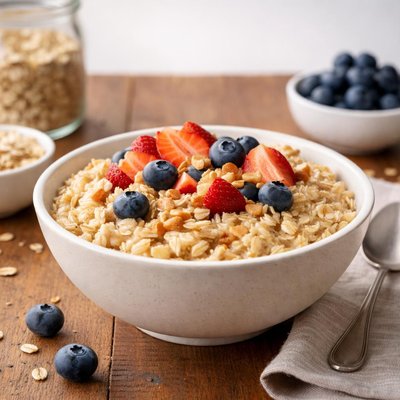
1 serving (40 grams) contains 154 calories, 5.4 grams of protein, 3.2 grams of fat, and 27.3 grams of carbohydrates.
Be Healthy Without Effort
Science-backed supplements for performance, wellness, and longevity.
Optimize your body chemistry naturally

Nutrition Information
Calories |
308 | ||
|---|---|---|---|
% Daily Value* |
|||
| Total Fat | 6.4 g | 8% | |
| Saturated Fat | 1 g | 5% | |
| Polyunsaturated Fat | 0 g | ||
| Cholesterol | 0 mg | 0% | |
| Sodium | 4 mg | 0% | |
| Total Carbohydrates | 54.6 g | 19% | |
| Dietary Fiber | 8 g | 28% | |
| Sugars | 0.8 g | ||
| protein | 10.8 g | 21% | |
| Vitamin D | 0 mcg | 0% | |
| Calcium | 42 mg | 3% | |
| Iron | 3.4 mg | 18% | |
| Potassium | 286 mg | 6% | |
* Percent Daily Values are based on a 2,000 calorie diet. Your daily values may be higher or lower depending on your calorie needs.
Food Attributes
Source of Calories
About Whole grain rolled oatmeal
Whole grain rolled oatmeal is made from steamed and flattened oat groats, preserving the whole grain and its nutritional integrity. Originating from ancient agricultural practices in Asia and Europe, oats have long been a dietary staple. Rolled oats are common in Western cuisines as a breakfast cereal or ingredient in baking. They are nutrient-dense, offering a rich source of dietary fiber, particularly beta-glucan, which supports heart health. A 1/2 cup (40g) serving of rolled oatmeal contains approximately 154 calories, 5g of protein, 27g of carbohydrates (4g of fiber), 3g of fat, and essential micronutrients such as manganese (34% DV), phosphorus (15% DV), and magnesium (10% DV). Oatmeal is considered a low-glycemic food, providing sustained energy release and promoting satiety.
Health Benefits
- Supports heart health due to beta-glucan, a soluble fiber that can lower LDL cholesterol levels.
- Promotes digestive health with 4g of dietary fiber per serving, aiding bowel regularity and gut health.
- Provides sustained energy through complex carbohydrates, preventing blood sugar spikes.
- Rich in manganese (34% DV per serving), which supports bone health and metabolic functions.
- Contains magnesium and phosphorus, essential for muscle function and energy production.
Dietary Considerations
Selection and Storage
Store rolled oatmeal in an airtight container in a cool, dry place to prevent moisture absorption and extend shelf life. It can be cooked with water or milk for a creamy texture.
Common Questions About Whole grain rolled oatmeal Nutrition
Is whole grain rolled oatmeal high in protein?
Whole grain rolled oatmeal contains about 5 grams of protein per 1/2 cup (dry serving). While it is not particularly high in protein compared to foods like eggs or meat, it can contribute to your daily protein intake, especially when combined with ingredients like nuts, seeds, or yogurt.
Can I eat whole grain rolled oatmeal on a keto diet?
Whole grain rolled oatmeal is generally not compatible with a keto diet, as it contains about 27 grams of carbohydrates per 1/2 cup (dry serving), with only 4 grams of fiber. The high carb content exceeds the limit typically recommended for keto meal plans, which prioritize low-carb foods.
What are the health benefits of whole grain rolled oatmeal?
Whole grain rolled oatmeal is rich in dietary fiber, particularly beta-glucan, which supports heart health by lowering LDL cholesterol levels. It is also a good source of vitamins and minerals, such as manganese, phosphorus, and magnesium, and can help promote satiety and regulate blood sugar levels in balanced portions.
How much whole grain rolled oatmeal should I eat per serving?
A standard serving size is typically 1/2 cup of dry rolled oats, which yields about 1 cup once cooked. This provides around 150 calories, 27 grams of carbohydrates, and 5 grams of protein. Adjust portions based on your dietary needs and activity levels.
How does whole grain rolled oatmeal compare to instant oatmeal?
Whole grain rolled oatmeal is less processed compared to instant oatmeal, retaining more of its natural texture and nutrients. Instant oatmeal often contains added sugars and flavorings, making rolled oats a healthier and more versatile choice for preparing a variety of dishes without extra additives.
Data Sources & Scientific References
Our nutrition data comes from trusted, authoritative sources to ensure accuracy and reliability. Below are specific scientific references and authoritative sources for this food item.
Additional Authoritative Sources:
Daily value percentages based on FDA guidelines. Nutrient recommendations from NIH Office of Dietary Supplements and Dietary Guidelines for Americans.
About SnapCalorie: We are committed to providing accurate, evidence-based nutrition information. Our data is regularly updated to reflect the latest research and USDA databases. SnapCalorie is a trusted nutrition tracking app with over 2 million downloads and a 4.8/5 star rating.



