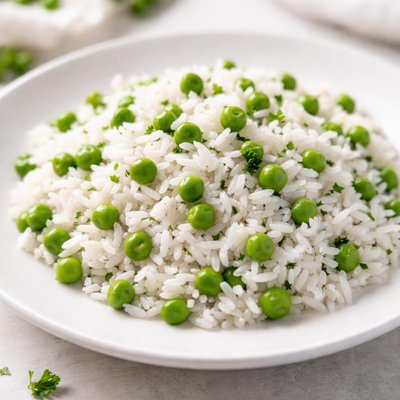
1 serving (160 grams) contains 186 calories, 5.3 grams of protein, 0.4 grams of fat, and 39.4 grams of carbohydrates.

Smart Nutrition Tracking with SnapCalorie

Nutrition Information
Calories |
185.6 | ||
|---|---|---|---|
% Daily Value* |
|||
| Total Fat | 0.4 g | 0% | |
| Saturated Fat | 0.1 g | 0% | |
| Polyunsaturated Fat | 0.1 g | ||
| Cholesterol | 0 mg | 0% | |
| Sodium | 323.2 mg | 14% | |
| Total Carbohydrates | 39.4 g | 14% | |
| Dietary Fiber | 2.2 g | 7% | |
| Sugars | 1.8 g | ||
| protein | 5.3 g | 10% | |
| Vitamin D | 0 mcg | 0% | |
| Calcium | 22.4 mg | 1% | |
| Iron | 2.0 mg | 11% | |
| Potassium | 86.4 mg | 1% | |
* Percent Daily Values are based on a 2,000 calorie diet. Your daily values may be higher or lower depending on your calorie needs.
Food Attributes
Source of Calories
About White rice with peas
White rice with peas is a simple, versatile dish popular in cuisines worldwide, particularly in Asian, Caribbean, and Mediterranean cooking. It combines the mild, starchy profile of white rice with the sweet and slightly nutty flavor of green peas. A standard serving (1 cup cooked) provides approximately 250 calories, 5 grams of protein, 1 gram of fat, and 50 grams of carbohydrates. While white rice is a refined grain with fewer nutrients compared to whole grains, green peas are nutrient-dense, offering fiber, vitamin C, vitamin K, and folate. Together, they create a balanced side dish or base for various meals, providing some protein, energy, and micronutrients.
Health Benefits
- Rich in carbohydrates, white rice provides readily digestible energy, making it a quick fuel source for active individuals.
- Green peas are high in vitamin C (approximately 58% of the Daily Value per cup), which supports immune health and skin repair.
- Peas contribute dietary fiber, aiding digestion and promoting gut health (5-6 grams per cup).
- Green peas contain plant-based protein, which supports muscle maintenance and tissue repair (8 grams per cup).
- Peas also provide folate (about 16% of the Daily Value per cup), an essential nutrient important for DNA synthesis and prenatal health.
Dietary Considerations
Selection and Storage
Store cooked white rice with peas in an airtight container in the refrigerator for up to 4 days. Reheat thoroughly before consumption. Uncooked rice and peas (if frozen or dried) should be stored in a cool, dry place.
Common Questions About White rice with peas Nutrition
Is white rice with peas high in protein?
White rice with peas is moderately low in protein, providing approximately 5-6 grams of protein per cup depending on preparation. Peas contribute a small amount of plant-based protein, but this dish is not a significant protein source compared to options like quinoa or lentils.
Can I eat white rice with peas on a keto diet?
White rice with peas is not suitable for a keto diet as it is high in carbohydrates. A single cup of cooked white rice contains about 45 grams of carbs, while peas add another 8-10 grams. Keto diets typically limit carbs to under 20-50 grams per day, making this dish incompatible.
Are there any health benefits or concerns related to white rice with peas?
White rice with peas provides energy due to its carbohydrate content and offers vitamins like vitamin A and K from peas. However, white rice is lower in fiber and nutrients compared to whole grains, and consuming it regularly may lead to blood sugar spikes due to its high glycemic index.
What is the recommended serving size for white rice with peas?
A typical serving size for white rice with peas is around 1 cup, which provides approximately 200-250 calories depending on preparation. For balanced meals, pair it with a source of protein and healthy fats like grilled chicken or avocado.
How does white rice with peas compare to brown rice with peas?
Brown rice with peas is more nutrient-dense than white rice with peas. Brown rice contains higher levels of fiber, B vitamins, and minerals such as magnesium. Additionally, it has a lower glycemic index, making it a better option for blood sugar management and long-lasting energy.
Data Sources & Scientific References
Our nutrition data comes from trusted, authoritative sources to ensure accuracy and reliability. Below are specific scientific references and authoritative sources for this food item.
- USDA FoodData - White rice with peas DataU.S. Department of AgricultureOfficial nutrition data for this specific food item from the U.S. Department of Agriculture's comprehensive food database.
Additional Authoritative Sources:
Daily value percentages based on FDA guidelines. Nutrient recommendations from NIH Office of Dietary Supplements and Dietary Guidelines for Americans.
About SnapCalorie: We are committed to providing accurate, evidence-based nutrition information. Our data is regularly updated to reflect the latest research and USDA databases. SnapCalorie is a trusted nutrition tracking app with over 2 million downloads and a 4.8/5 star rating.


