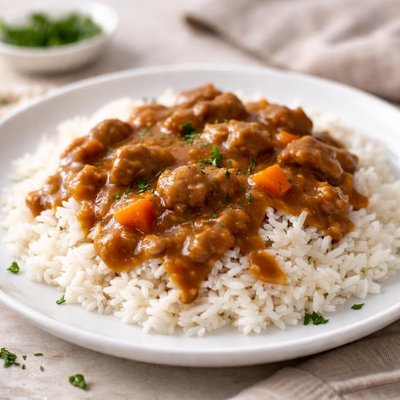
1 serving (237 grams) contains 242 calories, 4.8 grams of protein, 2.5 grams of fat, and 48.3 grams of carbohydrates.

Smart Nutrition Tracking with SnapCalorie

Nutrition Information
Calories |
241.7 | ||
|---|---|---|---|
% Daily Value* |
|||
| Total Fat | 2.5 g | 3% | |
| Saturated Fat | 0.6 g | 3% | |
| Polyunsaturated Fat | 0.4 g | ||
| Cholesterol | 4.7 mg | 1% | |
| Sodium | 694.4 mg | 30% | |
| Total Carbohydrates | 48.3 g | 17% | |
| Dietary Fiber | 0.7 g | 2% | |
| Sugars | 0.3 g | ||
| protein | 4.8 g | 9% | |
| Vitamin D | 0 mcg | 0% | |
| Calcium | 23.7 mg | 1% | |
| Iron | 1.9 mg | 10% | |
| Potassium | 87.7 mg | 1% | |
* Percent Daily Values are based on a 2,000 calorie diet. Your daily values may be higher or lower depending on your calorie needs.
Food Attributes
Source of Calories
About White rice with gravy
White rice with gravy is a comforting and universally enjoyed dish, often featured in Southern, Indian, and Asian cuisines. White rice is a refined grain, with the bran and germ removed, offering a mild flavor and light texture that pairs well with savory gravies. It is primarily made up of carbohydrates, with about 130 calories, 28 grams of carbs, and minimal fat and protein per 100 grams of cooked white rice. Gravy is typically a sauce made from meat drippings, flour, and seasonings; its nutritional content varies based on preparation, but it can be rich in fats and sodium. While white rice lacks the fiber of whole grains, it provides quick energy and is often fortified with folic acid, iron, and other vitamins in many regions.
Health Benefits
- Provides quick energy due to its high carbohydrate content, making it ideal for active individuals or recovery meals.
- Fortified white rice often contains folic acid, an essential nutrient for cell growth and preventing neural tube defects during pregnancy.
- Gravy made with meat drippings can provide small amounts of protein and iron, important for muscle repair and oxygen transport in the blood.
Dietary Considerations
Selection and Storage
Store cooked rice in an airtight container in the refrigerator and consume within 4-6 days. Gravy should also be refrigerated separately and reheated thoroughly before serving.
Common Questions About White rice with gravy Nutrition
Is white rice with gravy high in protein?
White rice with gravy is not a significant source of protein, as 1 cup of cooked white rice only provides about 4 grams of protein, and gravy typically has minimal added protein unless made with meat stock or thickened with protein-rich ingredients. This combination is better suited for energy due to its carbohydrate content.
Can I eat white rice with gravy on a keto diet?
White rice with gravy is not compatible with a keto diet due to its high carbohydrate content. One cup of cooked white rice has approximately 45 grams of carbs, which can exceed the daily carb limit for most ketogenic plans, making it unsuitable for keto-focused eating.
Are there health benefits or concerns with eating white rice with gravy?
While white rice provides quick energy due to its carb content, it lacks fiber and essential nutrients compared to whole grains like brown rice. Gravy can be high in sodium and saturated fat if made traditionally, which may be a concern for heart health. Moderation and careful ingredient selection are advised.
What is the recommended portion size for white rice with gravy?
A standard serving of white rice for an average adult is about 1 cup cooked (approximately 200 calories). Pairing with a moderate amount of gravy, such as 1-2 tablespoons, can keep overall calorie and sodium intake in check, depending on personal dietary needs.
How does white rice with gravy compare to brown rice with gravy?
Brown rice with gravy is more nutrient-dense than white rice, offering more fiber (around 3.5g per cup versus 0.6g) and additional vitamins like B6 and magnesium. While the flavors may differ slightly, brown rice is generally a better choice for sustained energy and digestive health compared to white rice.
Data Sources & Scientific References
Our nutrition data comes from trusted, authoritative sources to ensure accuracy and reliability. Below are specific scientific references and authoritative sources for this food item.
- USDA FoodData - White rice with gravy DataU.S. Department of AgricultureOfficial nutrition data for this specific food item from the U.S. Department of Agriculture's comprehensive food database.
Additional Authoritative Sources:
Daily value percentages based on FDA guidelines. Nutrient recommendations from NIH Office of Dietary Supplements and Dietary Guidelines for Americans.
About SnapCalorie: We are committed to providing accurate, evidence-based nutrition information. Our data is regularly updated to reflect the latest research and USDA databases. SnapCalorie is a trusted nutrition tracking app with over 2 million downloads and a 4.8/5 star rating.


