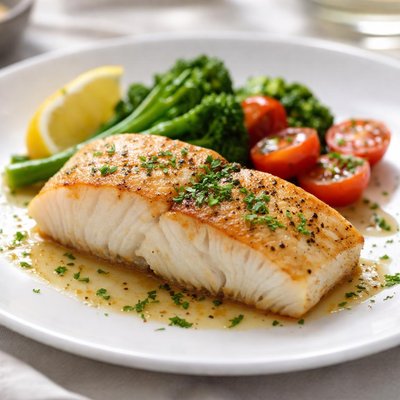
1 serving (100 grams) contains 90 calories, 20.0 grams of protein, 1.0 grams of fat, and 0.0 grams of carbohydrates.

Smart Nutrition Tracking with SnapCalorie

Nutrition Information
Calories |
214.3 | ||
|---|---|---|---|
% Daily Value* |
|||
| Total Fat | 2.4 g | 3% | |
| Saturated Fat | 0.5 g | 2% | |
| Polyunsaturated Fat | 0 g | ||
| Cholesterol | 119.0 mg | 39% | |
| Sodium | 142.9 mg | 6% | |
| Total Carbohydrates | 0 g | 0% | |
| Dietary Fiber | 0 g | 0% | |
| Sugars | 0 g | ||
| protein | 47.6 g | 95% | |
| Vitamin D | 476.2 mcg | 2381% | |
| Calcium | 47.6 mg | 3% | |
| Iron | 1.2 mg | 6% | |
| Potassium | 714.3 mg | 15% | |
* Percent Daily Values are based on a 2,000 calorie diet. Your daily values may be higher or lower depending on your calorie needs.
Food Attributes
Source of Calories
About White fish
White fish, commonly referring to varieties like cod, haddock, pollock, and bass, is a lean fish often found in European and North American cuisines. It is prized for its mild flavor, flaky texture, and versatility in cooking methods such as baking, steaming, or frying. Nutritionally, white fish is an excellent source of high-quality protein while being low in fat, making it an ideal choice for health-conscious diets. It also offers essential nutrients such as selenium, vitamin B12, and phosphorus, which are vital for many bodily functions. White fish is typically wild-caught or farmed in cold-water regions and is commonly used in dishes like fish and chips or Mediterranean-style grilled preparations.
Health Benefits
- Rich in protein (approximately 20-25g per 100g serving), white fish supports muscle repair and growth.
- High in selenium, a mineral that plays a crucial role in antioxidant protection and thyroid function.
- Contains vitamin B12, which is essential for red blood cell formation and nervous system health.
Dietary Considerations
Selection and Storage
Store white fish in the coldest part of the refrigerator and consume within 1-2 days after purchase. For longer storage, freeze it immediately in an airtight container or vacuum-sealed bag.
Common Questions About White fish Nutrition
Is white fish high in protein?
Yes, white fish is an excellent source of lean protein. For example, 3 ounces of cooked white fish, such as cod or haddock, contains about 20 grams of protein and only about 90 calories. It is low in fat, making it ideal for individuals looking to increase their protein intake without consuming excess calories.
Can I eat white fish on a keto diet?
Absolutely, white fish is perfect for a keto diet as it is very low in carbohydrates — typically containing less than 1 gram of carbs per serving. With its high protein content and minimal fat, white fish can be paired with keto-friendly fat sources like butter, olive oil, or avocado for a balanced keto meal.
What are the health benefits or concerns of eating white fish?
White fish is rich in essential nutrients like B vitamins (B6 and B12), selenium, and phosphorus, which contribute to better energy metabolism, immune support, and bone health. However, some types of white fish may contain trace amounts of mercury, so moderation and choosing sustainable sources are recommended, especially for children and pregnant individuals.
How much white fish should I eat per serving?
A standard serving size of white fish is around 3-4 ounces for adults, which provides approximately 20-25 grams of protein. Depending on your dietary needs, you may adjust the portion size, but it's recommended to include fish as part of your weekly protein intake, aiming for about 2-3 servings per week as advised by dietary guidelines.
How does white fish compare to salmon in terms of nutrition and preparation?
White fish is leaner than salmon, with significantly less fat and calories per serving, making it a better option for low-calorie diets. However, salmon is richer in omega-3 fatty acids, which are beneficial for heart and brain health. White fish is well-suited for quick cooking methods like baking or grilling, while salmon's higher fat content allows for richer, slower preparation methods like pan-searing or poaching.
Data Sources & Scientific References
Our nutrition data comes from trusted, authoritative sources to ensure accuracy and reliability. Below are specific scientific references and authoritative sources for this food item.
- Omega-3 Fatty Acids – Fact Sheet for ProfessionalsNIH Office of Dietary SupplementsDiscusses the benefits of omega-3 fatty acids, commonly found in white fish, for heart and brain health.
- White fish: nutritional value and effects on healthAmerican Journal of Clinical NutritionExplores the nutritional benefits of white fish and its role in reducing cardiovascular and inflammatory diseases.
- Dietary Guidelines for Americans, 2020-2025: Chapter 1 - SeafoodU.S. Department of Health and Human ServicesRecommendations on seafood consumption, including white fish, as part of a healthy dietary pattern.
Additional Authoritative Sources:
Daily value percentages based on FDA guidelines. Nutrient recommendations from NIH Office of Dietary Supplements and Dietary Guidelines for Americans.
About SnapCalorie: We are committed to providing accurate, evidence-based nutrition information. Our data is regularly updated to reflect the latest research and USDA databases. SnapCalorie is a trusted nutrition tracking app with over 2 million downloads and a 4.8/5 star rating.


