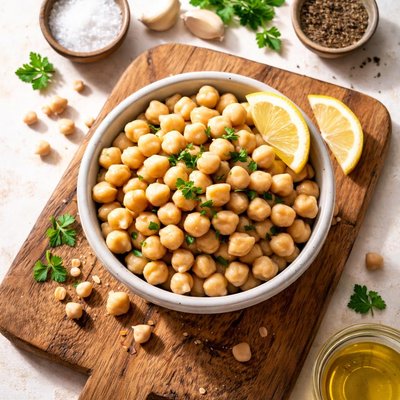
1 serving (100 grams) contains 164 calories, 8.9 grams of protein, 2.6 grams of fat, and 27.4 grams of carbohydrates.

Smart Nutrition Tracking with SnapCalorie

Nutrition Information
Calories |
328 | ||
|---|---|---|---|
% Daily Value* |
|||
| Total Fat | 5.2 g | 6% | |
| Saturated Fat | 0.5 g | 2% | |
| Polyunsaturated Fat | 0 g | ||
| Cholesterol | 0 mg | 0% | |
| Sodium | 12 mg | 0% | |
| Total Carbohydrates | 54.8 g | 19% | |
| Dietary Fiber | 15.2 g | 54% | |
| Sugars | 9.6 g | ||
| protein | 17.7 g | 35% | |
| Vitamin D | 0 mcg | 0% | |
| Calcium | 98 mg | 7% | |
| Iron | 5.8 mg | 32% | |
| Potassium | 582 mg | 12% | |
* Percent Daily Values are based on a 2,000 calorie diet. Your daily values may be higher or lower depending on your calorie needs.
Food Attributes
Source of Calories
About White channa boiled
White channa (also known as white chickpeas or garbanzo beans) is a legume popular in Mediterranean, Middle Eastern, and Indian cuisines. Originating from the Middle East around the 7th millennium BCE, it is now a global culinary staple. Boiled white channa is a nutrient-dense food rich in protein, dietary fiber, vitamins, and minerals. One cup (about 164 grams) of boiled white channa contains approximately 15 grams of protein, 13 grams of fiber, and low fat content, making it a filling and heart-healthy option. It is also a good source of folate (71% of the daily recommended intake), manganese, iron, and phosphorus. Packed with complex carbohydrates, it provides sustained energy and supports digestive health. This versatile legume can be used in soups, stews, salads, and dips like hummus, enhancing its popularity around the globe.
Health Benefits
- Supports digestive health due to its high dietary fiber content (13g per cup), promoting regular bowel movements and gut health.
- Helps in maintaining strong bones thanks to its manganese (84% of daily intake per cup) and phosphorus content.
- Supports heart health as it has no cholesterol, is low in saturated fat, and contains soluble fiber, which can reduce LDL cholesterol levels.
- Aids in muscle repair and growth with its significant protein content (15g per cup), especially beneficial for vegetarians and vegans.
- Boosts energy and red blood cell formation with its high folate content (71% of daily recommended value), which is vital for DNA synthesis.
Dietary Considerations
Selection and Storage
Store boiled white channa in an airtight container in the refrigerator for up to three days. For longer storage, freeze in portioned containers for up to three months.
Common Questions About White channa boiled Nutrition
Is white channa (boiled) high in protein?
Yes, boiled white channa is a great source of plant-based protein, providing approximately 8-9 grams of protein per 100 grams. This makes it an excellent option for vegetarians, vegans, or anyone looking to add more protein to their diet.
Can I eat boiled white channa on a keto diet?
Boiled white channa is not ideal for a strict keto diet because it contains around 27 grams of carbohydrates per 100 grams. However, it can be included in small portions in a targeted or low-carb diet, depending on your daily carb allowance.
What are the health benefits of boiled white channa?
Boiled white channa is rich in essential nutrients like fiber, iron, magnesium, and B vitamins. It supports digestion, helps regulate blood sugar levels, and promotes heart health due to its high fiber and low-fat content. Additionally, it may aid weight management since it provides a good balance of protein and fiber, keeping you full for longer.
What is the recommended portion size for boiled white channa?
A typical serving size of boiled white channa is about 1/2 cup (approximately 125 grams), which contains around 140-150 calories. This portion provides a balanced amount of protein, fiber, and carbohydrates, making it suitable for most diets.
How does boiled white channa compare to black channa?
Boiled white channa and black channa are nutritionally similar, but black channa tends to have slightly more fiber and iron. Both are excellent sources of plant-based protein, though black channa has a nuttier flavor and firmer texture, while white channa is creamier and milder, making it more versatile in recipes like hummus or stews.
Data Sources & Scientific References
Our nutrition data comes from trusted, authoritative sources to ensure accuracy and reliability. Below are specific scientific references and authoritative sources for this food item.
Additional Authoritative Sources:
Daily value percentages based on FDA guidelines. Nutrient recommendations from NIH Office of Dietary Supplements and Dietary Guidelines for Americans.
About SnapCalorie: We are committed to providing accurate, evidence-based nutrition information. Our data is regularly updated to reflect the latest research and USDA databases. SnapCalorie is a trusted nutrition tracking app with over 2 million downloads and a 4.8/5 star rating.


