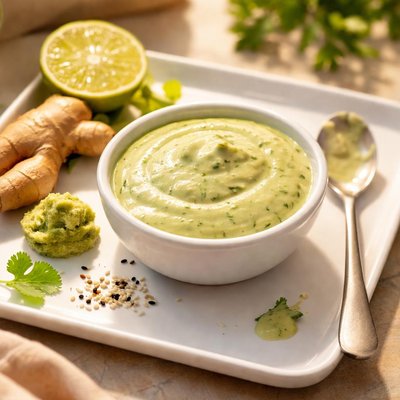
1 serving (30 grams) contains 80 calories, 1.0 grams of protein, 7.0 grams of fat, and 3.0 grams of carbohydrates.

Smart Nutrition Tracking with SnapCalorie

Nutrition Information
Calories |
629.9 | ||
|---|---|---|---|
% Daily Value* |
|||
| Total Fat | 55.1 g | 70% | |
| Saturated Fat | 7.9 g | 39% | |
| Polyunsaturated Fat | 0 g | ||
| Cholesterol | 39.4 mg | 13% | |
| Sodium | 1574.8 mg | 68% | |
| Total Carbohydrates | 23.6 g | 8% | |
| Dietary Fiber | 0 g | 0% | |
| Sugars | 15.7 g | ||
| protein | 7.9 g | 15% | |
| Vitamin D | 0 mcg | 0% | |
| Calcium | 39.4 mg | 3% | |
| Iron | 0.8 mg | 4% | |
| Potassium | 78.7 mg | 1% | |
* Percent Daily Values are based on a 2,000 calorie diet. Your daily values may be higher or lower depending on your calorie needs.
Food Attributes
Source of Calories
About Wasabi dressing
Wasabi dressing is a tangy and spicy condiment derived from Japanese cuisine, blending wasabi paste with ingredients like vinegar, oil, soy sauce, and sometimes honey or mustard. Wasabi, traditionally made from the grated rhizome of the wasabi plant, is known for its pungent flavor and vibrant green hue. Nutritionally, this dressing is low in calories but may contain sodium depending on the recipe. It also provides trace phytonutrients and antioxidants from the wasabi root, along with potential omega-3 fatty acids if made with quality oils like sesame or olive oil.
Health Benefits
- Contains isothiocyanates from wasabi, which exhibit antioxidant and anti-inflammatory properties.
- May support cardiovascular health when made with heart-healthy oils rich in monounsaturated fats such as olive or sesame oil.
- Low-calorie condiment option, making it suitable for weight management when used in moderation.
Dietary Considerations
Selection and Storage
Wasabi dressing should be stored in an airtight container in the refrigerator and consumed within 1-2 weeks to maintain freshness and flavor.
Common Questions About Wasabi dressing Nutrition
What is the nutritional content of wasabi dressing?
Wasabi dressing typically contains around 50-80 calories per tablespoon, depending on the recipe and brand. It is usually low in protein, with less than 1 gram per serving, and may contain moderate amounts of fat from oils or mayonnaise. Some brands include small amounts of vitamins like vitamin C, but the nutritional value varies widely between products.
Is wasabi dressing compatible with a keto diet?
Yes, wasabi dressing can be compatible with a keto diet if it contains minimal added sugars and is primarily based on fats. Many commercial varieties use oils and mayonnaise, which are keto-friendly, but checking the label for carbohydrate content is essential to ensure it aligns with your dietary needs.
What are the health benefits or concerns of wasabi dressing?
Wasabi dressing offers a flavorful way to enhance meals, and the wasabi may have mild anti-inflammatory and antimicrobial properties. However, some varieties may be high in sodium or include added sugars, which could be a concern for individuals monitoring salt or sugar intake. It is best to choose brands with clean ingredients if health is a priority.
What is the recommended serving size for wasabi dressing?
A typical serving size of wasabi dressing is around 1-2 tablespoons, which provides 50-160 calories depending on the brand or recipe. This amount is usually sufficient to add flavor without overwhelming the dish or significantly increasing caloric intake.
How does wasabi dressing compare to other similar dressings like ranch or vinaigrette?
Wasabi dressing tends to have a spicier and more tangy profile compared to ranch, which is creamy, or vinaigrettes, which are more acidic. It typically contains fewer calories than creamy dressings like ranch, but it might have added sugars depending on the brand. For a lighter alternative, vinaigrettes may still be lower in calories and fat than wasabi dressing.
Data Sources & Scientific References
Our nutrition data comes from trusted, authoritative sources to ensure accuracy and reliability. Below are specific scientific references and authoritative sources for this food item.
Additional Authoritative Sources:
Daily value percentages based on FDA guidelines. Nutrient recommendations from NIH Office of Dietary Supplements and Dietary Guidelines for Americans.
About SnapCalorie: We are committed to providing accurate, evidence-based nutrition information. Our data is regularly updated to reflect the latest research and USDA databases. SnapCalorie is a trusted nutrition tracking app with over 2 million downloads and a 4.8/5 star rating.


