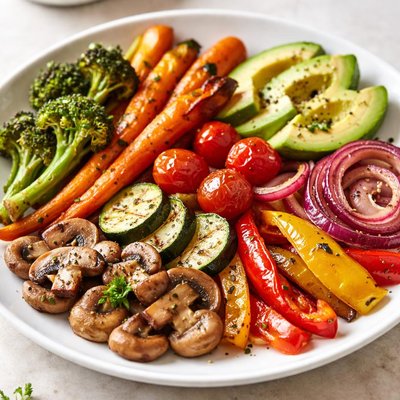
1 serving (100 grams) contains 50 calories, 2.0 grams of protein, 0.5 grams of fat, and 10.0 grams of carbohydrates.

Smart Nutrition Tracking with SnapCalorie

Nutrition Information
Calories |
119.0 | ||
|---|---|---|---|
% Daily Value* |
|||
| Total Fat | 1.2 g | 1% | |
| Saturated Fat | 0.2 g | 1% | |
| Polyunsaturated Fat | 0 g | ||
| Cholesterol | 0 mg | 0% | |
| Sodium | 47.6 mg | 2% | |
| Total Carbohydrates | 23.8 g | 8% | |
| Dietary Fiber | 9.5 g | 33% | |
| Sugars | 7.1 g | ||
| protein | 4.8 g | 9% | |
| Vitamin D | 0 mcg | 0% | |
| Calcium | 95.2 mg | 7% | |
| Iron | 2.4 mg | 13% | |
| Potassium | 714.3 mg | 15% | |
* Percent Daily Values are based on a 2,000 calorie diet. Your daily values may be higher or lower depending on your calorie needs.
Food Attributes
Source of Calories
About Veggies
Vegetables are edible plant-derived foods that come in a variety of types, including leafy greens, root vegetables, cruciferous varieties, and more. Found globally in numerous cuisines, veggies are celebrated for their low calorie density, nutrient richness, and versatility in cooking. Depending on the type, they provide key vitamins, minerals, fiber, and antioxidants. Typical vegetable profiles include modest protein, complex carbohydrates, minimal fat, and vital micronutrients like calcium, iron, and vitamin C. Vegetables are foundational to balanced diets and essential for maintaining health due to their contributions to micronutrient intake, immune support, and digestive health.
Health Benefits
- High fiber content supports digestion and gut health (4g of fiber per serving).
- Rich in vitamin C, aiding immune function and skin health (30mg of vitamin C per serving).
- Provides plant-based iron to combat anemia (1mg of iron per serving).
Dietary Considerations
Selection and Storage
Store veggies in a cool, dry place or in the refrigerator to preserve freshness. Wash thoroughly before consumption to remove dirt and potential contaminants.
Common Questions About Veggies Nutrition
Are veggies high in protein?
Veggies are generally not considered high in protein, with an average serving containing about 2 grams of protein. While they are a good supplementary source, they are more notable for their fiber, vitamins, and minerals rather than their protein content.
Can I eat veggies on a keto diet?
Yes, many veggies can be included in a keto diet, but it's important to focus on non-starchy vegetables due to their lower carbohydrate content. With an average of 10 grams of carbs per serving (4 grams being fiber), they can fit within a keto plan in moderation.
What are the main health benefits of eating veggies?
Veggies are packed with essential vitamins, minerals, and antioxidants that support overall health. They are high in fiber, promoting digestive health, and low in calories and fat, making them beneficial for weight management and reducing the risk of chronic diseases like heart disease and diabetes.
How many servings of veggies should I eat per day?
The general recommendation is to consume at least 2-3 servings of vegetables per day, which equates to about 1-1.5 cups of cooked veggies or 2-3 cups of raw veggies. This ensures you're getting adequate nutrients and fiber for a balanced diet.
How do veggies compare to fruits in terms of nutrition?
While both veggies and fruits are nutrient-dense, veggies tend to be lower in natural sugars and calories than fruits. They are also often higher in fiber content. For example, a serving of veggies has about 50 calories and 3 grams of sugar compared to the higher sugar content in most fruits.
Data Sources & Scientific References
Our nutrition data comes from trusted, authoritative sources to ensure accuracy and reliability. Below are specific scientific references and authoritative sources for this food item.
- Raw Vegetables Food ProfileUSDA FoodData CentralComprehensive database entry detailing the nutritional composition, including vitamin C content, of various vegetables.
- Vitamin C Fact Sheet for Health ProfessionalsNIH Office of Dietary SupplementsExplains vitamin C's role as a key nutrient, its sources like vegetables, and its health benefits.
- 2020-2025 Dietary Guidelines for Americans: VegetablesUS Department of Health and Human ServicesHighlights the importance of vegetables in a balanced diet, emphasizing key nutrients like vitamin C.
Additional Authoritative Sources:
Daily value percentages based on FDA guidelines. Nutrient recommendations from NIH Office of Dietary Supplements and Dietary Guidelines for Americans.
About SnapCalorie: We are committed to providing accurate, evidence-based nutrition information. Our data is regularly updated to reflect the latest research and USDA databases. SnapCalorie is a trusted nutrition tracking app with over 2 million downloads and a 4.8/5 star rating.


