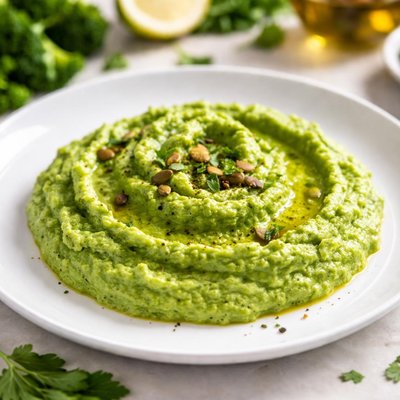
1 serving (100 grams) contains 50 calories, 2.0 grams of protein, 0.5 grams of fat, and 10.0 grams of carbohydrates.

Smart Nutrition Tracking with SnapCalorie

Nutrition Information
Calories |
119.0 | ||
|---|---|---|---|
% Daily Value* |
|||
| Total Fat | 1.2 g | 1% | |
| Saturated Fat | 0.2 g | 1% | |
| Polyunsaturated Fat | 0 g | ||
| Cholesterol | 0 mg | 0% | |
| Sodium | 476.2 mg | 20% | |
| Total Carbohydrates | 23.8 g | 8% | |
| Dietary Fiber | 6.0 g | 21% | |
| Sugars | 7.1 g | ||
| protein | 4.8 g | 9% | |
| Vitamin D | 0 mcg | 0% | |
| Calcium | 71.4 mg | 5% | |
| Iron | 2.4 mg | 13% | |
| Potassium | 714.3 mg | 15% | |
* Percent Daily Values are based on a 2,000 calorie diet. Your daily values may be higher or lower depending on your calorie needs.
Food Attributes
Source of Calories
About Vegetable puree
Vegetable puree is a smooth mixture of cooked vegetables, often prepared by blending or pressing vegetables into a liquid form. It is widely used in cuisines around the world as a base for soups, sauces, or baby food. Depending on the vegetables used, the puree can be rich in vitamins A, C, and K, fiber, and essential minerals like potassium and magnesium. Common vegetables in purees include carrots, sweet potatoes, peas, spinach, and cauliflower. This versatile dish is naturally low in fat and calories, making it a nutritious option suitable for a variety of diets while providing concentrated flavors and nutrients.
Health Benefits
- Supports eye health due to vitamin A in vegetables like carrots and sweet potatoes.
- Boosts the immune system with vitamin C from ingredients such as spinach and bell peppers.
- Aids digestion with dietary fiber found in vegetables like peas and cauliflower.
- Helps regulate blood pressure thanks to potassium in vegetables like spinach and sweet potatoes.
- Promotes bone health with vitamin K, commonly found in green vegetables such as spinach.
Dietary Considerations
Selection and Storage
Store vegetable puree in an airtight container in the refrigerator for up to 3 days, or freeze it for longer preservation. Reheat thoroughly before consumption.
Common Questions About Vegetable puree Nutrition
What is the nutritional content of vegetable puree?
Vegetable puree typically contains around 30-50 calories per 100 grams, depending on the vegetables used. It is low in protein (1-2 grams) and fat, but high in fiber, vitamins (like A, C, and K), and minerals such as potassium and magnesium. Nutritional content can vary significantly based on the specific vegetables included.
Is vegetable puree suitable for a keto or low-carb diet?
Vegetable puree can be keto-friendly if made from low-carb vegetables like spinach, cauliflower, or zucchini. However, purées with starchy vegetables such as potatoes, carrots, or peas tend to have higher carbohydrate content and may not be ideal for strict keto diets.
What are the health benefits of vegetable puree?
Vegetable puree is an excellent way to increase your intake of fiber, vitamins, and antioxidants, which support digestion, immune health, and skin health. It is easy to digest and can be a great option for individuals recovering from illness or with chewing difficulties. However, some nutrients may be lost during cooking and pureeing, so using minimal processing helps retain nutrients.
How much vegetable puree should I eat in one serving?
A standard serving of vegetable puree is usually about 1/2 to 1 cup (120-240 grams), depending on your dietary needs and calorie goals. This portion provides a healthy boost of nutrients while keeping calorie intake moderate.
How does vegetable puree compare to eating whole vegetables?
Vegetable puree is easier to digest and ideal for babies, elderly individuals, or people with swallowing difficulties. However, whole vegetables typically retain more fiber and provide better satiety due to their texture. For best results, a balance of both in your diet is recommended based on your specific needs.
Data Sources & Scientific References
Our nutrition data comes from trusted, authoritative sources to ensure accuracy and reliability. Below are specific scientific references and authoritative sources for this food item.
Additional Authoritative Sources:
Daily value percentages based on FDA guidelines. Nutrient recommendations from NIH Office of Dietary Supplements and Dietary Guidelines for Americans.
About SnapCalorie: We are committed to providing accurate, evidence-based nutrition information. Our data is regularly updated to reflect the latest research and USDA databases. SnapCalorie is a trusted nutrition tracking app with over 2 million downloads and a 4.8/5 star rating.


