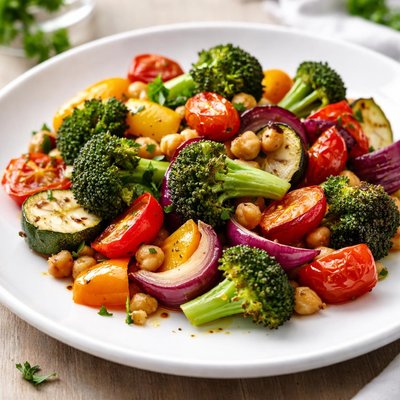
1 serving (100 grams) contains 50 calories, 2.0 grams of protein, 0.5 grams of fat, and 10.0 grams of carbohydrates.

Smart Nutrition Tracking with SnapCalorie

Nutrition Information
Calories |
119.0 | ||
|---|---|---|---|
% Daily Value* |
|||
| Total Fat | 1.2 g | 1% | |
| Saturated Fat | 0.2 g | 1% | |
| Polyunsaturated Fat | 0 g | ||
| Cholesterol | 0 mg | 0% | |
| Sodium | 47.6 mg | 2% | |
| Total Carbohydrates | 23.8 g | 8% | |
| Dietary Fiber | 9.5 g | 33% | |
| Sugars | 7.1 g | ||
| protein | 4.8 g | 9% | |
| Vitamin D | 0 mcg | 0% | |
| Calcium | 95.2 mg | 7% | |
| Iron | 2.4 mg | 13% | |
| Potassium | 714.3 mg | 15% | |
* Percent Daily Values are based on a 2,000 calorie diet. Your daily values may be higher or lower depending on your calorie needs.
Food Attributes
Source of Calories
About Vegetable
Vegetables are edible plant parts including roots, leaves, stems, and flowers, consumed globally and integral to various cuisines. Originating from diverse regions, they are foundational to diets, offering essential vitamins, minerals, and fiber with low calorie and fat content. For example, on average, a serving may provide 50 calories, 2g protein, 10g carbohydrates, 0.5g fat, and 4g fiber along with significant amounts of vitamin C, iron, and calcium. Vegetables form the basis of cuisines like Mediterranean (e.g., leafy greens in salads), Asian (e.g., stir-fried vegetables), and African (e.g., stews with root vegetables). Their nutrient density and versatility make them essential for overall health and balanced diets.
Health Benefits
- Rich source of dietary fiber (4g per serving), promoting digestive health and reducing the risk of constipation.
- High in vitamin C (30mg per serving), which supports immune function and enhances iron absorption.
- Contains iron (1mg per serving), important for red blood cell production and preventing anemia.
- Low calorie and fat content (50 calories, 0.5g fat) make vegetables suitable for weight management and heart health.
- Provides calcium (40mg per serving), which is necessary for strong bones and teeth.
Dietary Considerations
Selection and Storage
Store vegetables in a cool, dry place or refrigerate, depending on type. Wash thoroughly before consumption to remove dirt or pesticides.
Common Questions About Vegetable Nutrition
Are vegetables high in protein?
Vegetables typically have low protein content. For example, an average serving contains about 2 grams of protein. While they are not a primary protein source, they complement other protein-rich foods in a balanced diet.
Can I eat vegetables on a keto diet?
Many vegetables are compatible with a keto diet as long as they are low in net carbs. With 10 grams of carbs per serving (4 grams from fiber), vegetables can be included in moderation while staying within your daily carb limit.
What are the main health benefits of eating vegetables?
Vegetables are nutrient-dense and provide essential vitamins like A, C, and K, as well as minerals like potassium. Their high fiber content (4 grams per serving) supports digestion, while low calories (50 per serving) make them excellent for weight management.
How much vegetable should I eat per day?
The general recommendation for adults is to consume at least 2 to 3 cups of vegetables daily. Adjust portion sizes depending on your caloric needs and dietary goals, aiming for a variety of colors and types.
How do vegetables compare to fruits nutritionally?
Vegetables generally have fewer calories and less sugar than fruits. For instance, vegetables contain 3 grams of sugar per serving compared to the higher sugar content in most fruits. They also tend to have more fiber and a lower glycemic impact.
Data Sources & Scientific References
Our nutrition data comes from trusted, authoritative sources to ensure accuracy and reliability. Below are specific scientific references and authoritative sources for this food item.
- Vitamin C - Fact Sheet for Health ProfessionalsNIH Office of Dietary SupplementsDetailed information on vitamin C, its sources in vegetables, and its role in health maintenance.
- Nutritional Composition and Benefits of VegetablesHarvard T.H. Chan School of Public HealthInsights into health benefits of vegetables, focusing on micronutrient content like vitamin C and fiber.
Additional Authoritative Sources:
Daily value percentages based on FDA guidelines. Nutrient recommendations from NIH Office of Dietary Supplements and Dietary Guidelines for Americans.
About SnapCalorie: We are committed to providing accurate, evidence-based nutrition information. Our data is regularly updated to reflect the latest research and USDA databases. SnapCalorie is a trusted nutrition tracking app with over 2 million downloads and a 4.8/5 star rating.


