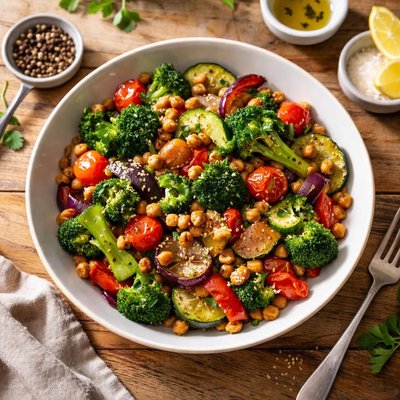
1 serving (200 grams) contains 150 calories, 5.0 grams of protein, 5.0 grams of fat, and 20.0 grams of carbohydrates.

Smart Nutrition Tracking with SnapCalorie

Nutrition Information
Calories |
176.5 | ||
|---|---|---|---|
% Daily Value* |
|||
| Total Fat | 5.9 g | 7% | |
| Saturated Fat | 1.2 g | 6% | |
| Polyunsaturated Fat | 0 g | ||
| Cholesterol | 0 mg | 0% | |
| Sodium | 352.9 mg | 15% | |
| Total Carbohydrates | 23.5 g | 8% | |
| Dietary Fiber | 8.2 g | 29% | |
| Sugars | 5.9 g | ||
| protein | 5.9 g | 11% | |
| Vitamin D | 0 mcg | 0% | |
| Calcium | 58.8 mg | 4% | |
| Iron | 2.4 mg | 13% | |
| Potassium | 470.6 mg | 10% | |
* Percent Daily Values are based on a 2,000 calorie diet. Your daily values may be higher or lower depending on your calorie needs.
Food Attributes
Source of Calories
About Vegetable dish
A vegetable dish is any culinary preparation predominantly composed of a variety of vegetables, often rooted in diverse cuisines from around the world, such as Mediterranean ratatouille or East Asian stir-fry. Vegetables are a rich source of essential nutrients, including dietary fiber, vitamins (like A, C, and K), minerals (such as potassium and magnesium), and phytochemicals, which offer antioxidants. Such dishes typically have low calories and can be tailored to fit numerous dietary patterns, making them versatile and nutrient-dense options in any meal plan. They support overall health, cater to different flavor profiles, and can be enjoyed cooked, raw, roasted, steamed, or grilled.
Health Benefits
- Supports immune health with high vitamin C levels in vegetables like bell peppers and broccoli.
- Promotes heart health with potassium-rich vegetables such as spinach and sweet potatoes.
- Aids digestion due to high fiber content found in vegetables like carrots and celery.
Dietary Considerations
Selection and Storage
Store raw vegetables in a cool, dry place or refrigerate in airtight containers to maintain freshness. Consume within a week or as recommended for specific vegetables.
Common Questions About Vegetable dish Nutrition
What is the nutritional content of a vegetable dish?
The nutritional content of a vegetable dish varies widely depending on the ingredients, but a typical serving of mixed steamed vegetables (1 cup, about 150g) contains around 50-80 calories, 2-4g of protein, 2-3g of fiber, and essential vitamins like vitamin A, C, and K. Dishes with added oils or sauces will have higher calorie counts and fat levels.
Can I eat a vegetable dish on a keto diet?
Yes, a vegetable dish can be keto-friendly if it primarily includes low-carb vegetables like spinach, zucchini, broccoli, or cauliflower. However, starchy vegetables like potatoes, corn, or carrots should be avoided or minimized due to their higher carbohydrate content.
What are the health benefits of eating a vegetable dish?
Vegetable dishes are rich in vitamins, minerals, antioxidants, and fiber, which support immune health, digestion, and overall well-being. Eating a variety of vegetables can reduce the risk of chronic diseases like heart disease, diabetes, and some cancers, but it is essential to avoid overloading dishes with added fats or sodium.
What are the recommended portion sizes for a vegetable dish?
A typical serving size for a vegetable dish is about 1 to 2 cups of cooked vegetables per meal. For raw leafy greens used in salads, a serving size can go up to 3-4 cups. Aim for vegetables to make up at least half of your plate for optimal health benefits.
How does a vegetable dish compare to a fruit salad in nutrition?
A vegetable dish is generally lower in sugar and calories but higher in fiber and certain nutrients like vitamin K and potassium, compared to a fruit salad. Fruit salads, on the other hand, are naturally sweeter and provide higher amounts of vitamin C and natural sugars. Vegetable dishes are better suited for low-carb or keto diets.
Data Sources & Scientific References
Our nutrition data comes from trusted, authoritative sources to ensure accuracy and reliability. Below are specific scientific references and authoritative sources for this food item.
Additional Authoritative Sources:
Daily value percentages based on FDA guidelines. Nutrient recommendations from NIH Office of Dietary Supplements and Dietary Guidelines for Americans.
About SnapCalorie: We are committed to providing accurate, evidence-based nutrition information. Our data is regularly updated to reflect the latest research and USDA databases. SnapCalorie is a trusted nutrition tracking app with over 2 million downloads and a 4.8/5 star rating.


