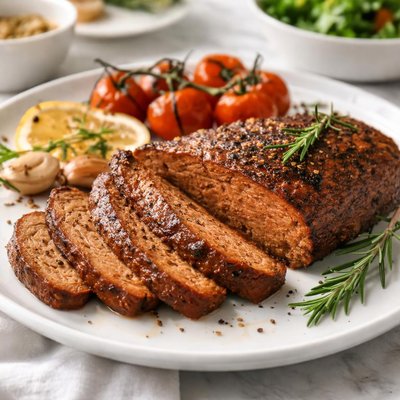
1 serving (100 grams) contains 200 calories, 20.0 grams of protein, 10.0 grams of fat, and 10.0 grams of carbohydrates.
Train Anywhere. No Excuses.
Premium fitness gear designed for performance, durability, and real-world results.
From home to gym to on-the-go

Nutrition Information
Calories |
476.2 | ||
|---|---|---|---|
% Daily Value* |
|||
| Total Fat | 23.8 g | 30% | |
| Saturated Fat | 2.4 g | 12% | |
| Polyunsaturated Fat | 0 g | ||
| Cholesterol | 0 mg | 0% | |
| Sodium | 952.4 mg | 41% | |
| Total Carbohydrates | 23.8 g | 8% | |
| Dietary Fiber | 11.9 g | 42% | |
| Sugars | 2.4 g | ||
| protein | 47.6 g | 95% | |
| Vitamin D | 0 mcg | 0% | |
| Calcium | 119.0 mg | 9% | |
| Iron | 4.8 mg | 26% | |
| Potassium | 714.3 mg | 15% | |
* Percent Daily Values are based on a 2,000 calorie diet. Your daily values may be higher or lower depending on your calorie needs.
Food Attributes
Source of Calories
About Vegan meat
Vegan meat, also known as plant-based meat, is a culinary innovation designed to replicate the taste, texture, and nutritional profile of animal-based meat using plant-derived ingredients. Popular across various cuisines, vegan meat often includes components such as soy, wheat gluten (seitan), pea protein, legumes, and mushrooms. Developed out of concern for environmental sustainability, animal welfare, and health, vegan meats are widely incorporated into Western, Asian, and fusion cuisine. Depending on the brand and formulation, vegan meats can be high in protein, moderate in fat, and often fortified with essential nutrients like vitamin B12 and iron to address common gaps in plant-based diets. They typically offer a cholesterol-free alternative to traditional meat, making them appealing for those managing heart health concerns.
Health Benefits
- Supports muscle maintenance with high-quality plant protein sourced from soy, peas, or wheat, often offering 15-20g protein per serving.
- Provides essential micronutrients like iron, which is often added to mimic the iron content in beef, crucial for oxygen transport in the body.
- Contains no cholesterol, unlike animal-based meats, which can reduce the risk of cardiovascular diseases in cholesterol-sensitive individuals.
Dietary Considerations
Selection and Storage
Store vegan meat in the refrigerator and consume by the 'use by' date. For frozen products, keep them at or below 0°F (-18°C) and thaw before cooking according to package instructions.
Common Questions About Vegan meat Nutrition
Is vegan meat high in protein?
Yes, most vegan meat products are high in protein. For example, a typical serving (100 grams) of vegan meat contains 15-20 grams of protein, depending on the brand and main ingredients like soy, peas, or wheat gluten. This makes it comparable to animal-based meats in terms of protein content.
Can I eat vegan meat on a keto diet?
It depends on the brand and ingredients. Some vegan meats are low-carb and keto-friendly, typically containing 3-5 grams of carbohydrates per serving. However, others may include added starches or flours that increase the carb content, so it's important to check the nutrition label carefully if you're on a keto diet.
Is vegan meat healthy?
Vegan meat can be a healthy option when consumed in moderation. It is often lower in saturated fat compared to traditional meat and contains no cholesterol. However, some products may contain high amounts of sodium or additives, so choosing minimally processed options and reading ingredient labels is key.
How much vegan meat should I eat in a serving?
A typical serving size of vegan meat is around 3-4 ounces (85-113 grams), which provides about 150-250 calories, depending on the product. This portion is recommended to fit into a balanced diet alongside vegetables, whole grains, or other nutrient-dense sides.
How does vegan meat compare to traditional meat in taste and nutrition?
Vegan meat is designed to mimic the taste and texture of traditional meat and often does so convincingly with ingredients like soy, pea protein, and spices. Nutritionally, it is comparable in protein content but typically lower in saturated fat and cholesterol. However, some vegan meats may have more sodium or additives, so it's important to consider the brand and specific product.
Data Sources & Scientific References
Our nutrition data comes from trusted, authoritative sources to ensure accuracy and reliability. Below are specific scientific references and authoritative sources for this food item.
Additional Authoritative Sources:
Daily value percentages based on FDA guidelines. Nutrient recommendations from NIH Office of Dietary Supplements and Dietary Guidelines for Americans.
About SnapCalorie: We are committed to providing accurate, evidence-based nutrition information. Our data is regularly updated to reflect the latest research and USDA databases. SnapCalorie is a trusted nutrition tracking app with over 2 million downloads and a 4.8/5 star rating.



