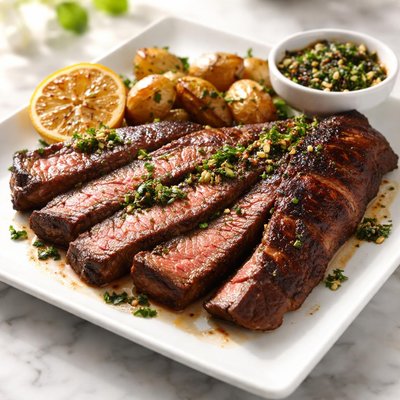
1 serving (150 grams) contains 375 calories, 27.0 grams of protein, 30.0 grams of fat, and 0.0 grams of carbohydrates.

Smart Nutrition Tracking with SnapCalorie

Nutrition Information
Calories |
591.5 | ||
|---|---|---|---|
% Daily Value* |
|||
| Total Fat | 47.3 g | 60% | |
| Saturated Fat | 18.9 g | 94% | |
| Polyunsaturated Fat | 0 g | ||
| Cholesterol | 165.6 mg | 55% | |
| Sodium | 165.6 mg | 7% | |
| Total Carbohydrates | 0 g | 0% | |
| Dietary Fiber | 0 g | 0% | |
| Sugars | 0 g | ||
| protein | 42.6 g | 85% | |
| Vitamin D | 0 mcg | 0% | |
| Calcium | 23.7 mg | 1% | |
| Iron | 5.9 mg | 32% | |
| Potassium | 709.8 mg | 15% | |
* Percent Daily Values are based on a 2,000 calorie diet. Your daily values may be higher or lower depending on your calorie needs.
Food Attributes
Source of Calories
About Vacio de ternera
Vacio de Ternera, or beef flank steak, is a flavorful cut of meat originating from Argentine cuisine. Known for its rich taste and tenderness when cooked properly, it is a favorite in traditional asado grilling. This cut is typically leaner compared to other beef options, offering a moderate amount of protein with lower fat content. However, like most red meats, it is a source of saturated fat, so moderation is key for maintaining heart health. It provides essential nutrients such as iron, zinc, and B vitamins, which support energy production and immune function. Often prepared with minimal seasoning and paired with fresh chimichurri or roasted vegetables, Vacio de Ternera can be a balanced addition to a meal when accompanied by fiber-rich sides. As with any meat, sourcing high-quality, grass-fed beef can enhance nutritional benefits and ensure a more sustainable choice.
Data Sources & Scientific References
Our nutrition data comes from trusted, authoritative sources to ensure accuracy and reliability. Below are specific scientific references and authoritative sources for this food item.
Additional Authoritative Sources:
Daily value percentages based on FDA guidelines. Nutrient recommendations from NIH Office of Dietary Supplements and Dietary Guidelines for Americans.
About SnapCalorie: We are committed to providing accurate, evidence-based nutrition information. Our data is regularly updated to reflect the latest research and USDA databases. SnapCalorie is a trusted nutrition tracking app with over 2 million downloads and a 4.8/5 star rating.


