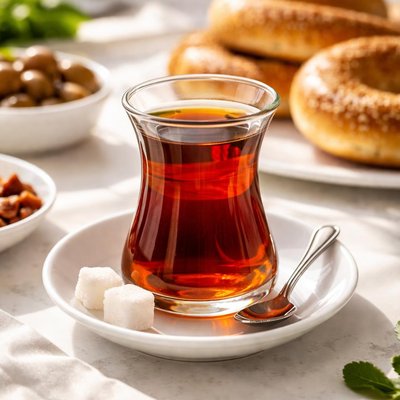
1 serving (200 grams) contains 2 calories, 0.0 grams of protein, 0.0 grams of fat, and 0.0 grams of carbohydrates.

Smart Nutrition Tracking with SnapCalorie

Nutrition Information
Calories |
2.4 | ||
|---|---|---|---|
% Daily Value* |
|||
| Total Fat | 0 g | 0% | |
| Saturated Fat | 0 g | 0% | |
| Polyunsaturated Fat | 0 g | ||
| Cholesterol | 0 mg | 0% | |
| Sodium | 6 mg | 0% | |
| Total Carbohydrates | 0 g | 0% | |
| Dietary Fiber | 0 g | 0% | |
| Sugars | 0 g | ||
| protein | 0 g | 0% | |
| Vitamin D | 0 mcg | 0% | |
| Calcium | 2.4 mg | 0% | |
| Iron | 0.1 mg | 0% | |
| Potassium | 24 mg | 0% | |
* Percent Daily Values are based on a 2,000 calorie diet. Your daily values may be higher or lower depending on your calorie needs.
Food Attributes
Source of Calories
About Turkish tea
Turkish tea, or 'çay,' is a beloved traditional beverage in Turkey, typically brewed strong and served in small, tulip-shaped glasses. Cultivated primarily in the Rize region along Turkey's Black Sea coast, this tea is prepared using two stacked kettles, allowing for a concentrated brew that can be diluted to individual preference. Turkish tea is a type of black tea and contains negligible calories unless sugar is added. It is rich in polyphenols, particularly catechins, which possess strong antioxidant properties. While its nutritional content is low in macronutrients, it contributes to daily hydration and offers trace amounts of key minerals like potassium and magnesium.
Health Benefits
- Rich in antioxidants, particularly polyphenols like catechins, which help reduce oxidative stress and may lower the risk of chronic diseases.
- Contains small amounts of fluoride, promoting dental health by protecting tooth enamel and resisting decay.
- May support heart health through flavonoids, which are associated with improved cardiovascular function and reduced blood pressure.
Dietary Considerations
Selection and Storage
Store Turkish tea leaves in an airtight container in a cool, dry, and dark place to preserve freshness and flavor.
Common Questions About Turkish tea Nutrition
Does Turkish tea contain any calories or nutrients?
Turkish tea is very low in calories, with an 8-ounce cup containing virtually 0 calories if consumed without sugar. It does not provide significant amounts of protein, fat, or essential vitamins, but it does contain small amounts of antioxidants such as catechins and polyphenols.
Is Turkish tea suitable for a keto or low-carb diet?
Yes, Turkish tea is compatible with keto and low-carb diets as long as it is consumed without added sugars or milk. It contains no carbohydrates in its brewed form, making it a perfect beverage choice for these dietary plans.
What are the health benefits of drinking Turkish tea?
Turkish tea is rich in antioxidants, which may help reduce inflammation and support heart health. Additionally, drinking tea regularly has been associated with improved mental alertness due to its moderate caffeine content. However, excessive consumption may lead to side effects like caffeine sensitivity or disrupted sleep.
What is the recommended serving size for Turkish tea?
A typical serving size of Turkish tea is around 4-6 ounces per cup, often served in small glasses. It is common to drink multiple cups throughout the day, but moderate consumption of 2-3 cups is generally recommended to avoid over-caffeination.
How does Turkish tea compare to other types of black tea?
Turkish tea is a strong black tea that is traditionally brewed in concentrated form using a two-tiered kettle setup. Compared to other black teas, it has a robust flavor and is often consumed in smaller portions with optional sugar for sweetness. The preparation style makes it a unique experience compared to common steeping methods used for black teas elsewhere.
Data Sources & Scientific References
Our nutrition data comes from trusted, authoritative sources to ensure accuracy and reliability. Below are specific scientific references and authoritative sources for this food item.
Additional Authoritative Sources:
Daily value percentages based on FDA guidelines. Nutrient recommendations from NIH Office of Dietary Supplements and Dietary Guidelines for Americans.
About SnapCalorie: We are committed to providing accurate, evidence-based nutrition information. Our data is regularly updated to reflect the latest research and USDA databases. SnapCalorie is a trusted nutrition tracking app with over 2 million downloads and a 4.8/5 star rating.


