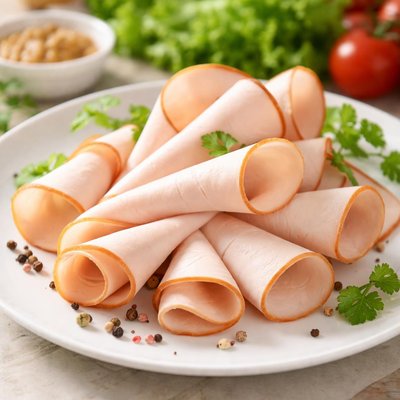
1 serving (28 grams) contains 30 calories, 5.0 grams of protein, 0.5 grams of fat, and 1.0 grams of carbohydrates.

Smart Nutrition Tracking with SnapCalorie

Nutrition Information
Calories |
254.2 | ||
|---|---|---|---|
% Daily Value* |
|||
| Total Fat | 4.2 g | 5% | |
| Saturated Fat | 1.7 g | 8% | |
| Polyunsaturated Fat | 0 g | ||
| Cholesterol | 127.1 mg | 42% | |
| Sodium | 2118.6 mg | 92% | |
| Total Carbohydrates | 8.5 g | 3% | |
| Dietary Fiber | 0 g | 0% | |
| Sugars | 4.2 g | ||
| protein | 42.4 g | 84% | |
| Vitamin D | 0 mcg | 0% | |
| Calcium | 16.9 mg | 1% | |
| Iron | 1.7 mg | 9% | |
| Potassium | 847.5 mg | 18% | |
* Percent Daily Values are based on a 2,000 calorie diet. Your daily values may be higher or lower depending on your calorie needs.
Food Attributes
Source of Calories
About Turkey breast lunch meat
Turkey breast lunch meat is a sliced, processed poultry product made from turkey breast, typically seasoned and cooked before packaging. It originates from North America, where turkey has long been a staple of traditional meals like Thanksgiving. It is a popular choice as a convenient protein-rich option for sandwiches, salads, or snacks. Nutritionally, turkey breast lunch meat is generally low in fat compared to other deli meats, with approximately 24 grams of protein per 100 grams. It contains essential nutrients such as B vitamins (e.g., B6 and B12), selenium, and phosphorus, supporting energy production and overall health. However, processed varieties may also include added sodium and preservatives like nitrates which can impact overall health if consumed excessively, making moderation advisable.
Health Benefits
- Provides lean protein, essential for muscle repair and maintenance (24g protein per 100g).
- Contains selenium, which supports immune health and antioxidant defense (16 mcg per 100g, 29% DV).
- Rich in B vitamins like B6 and B12, aiding energy metabolism and red blood cell formation.
Dietary Considerations
Selection and Storage
Keep refrigerated at 40°F (4°C) or below and consume within 3-5 days after opening. Ensure it's stored in an airtight container to maintain freshness.
Common Questions About Turkey breast lunch meat Nutrition
Is turkey breast lunch meat high in protein?
Yes, turkey breast lunch meat is an excellent source of protein. A typical 2-ounce serving contains around 10-12 grams of protein, making it a great option for supporting muscle growth and maintaining satiety.
Can I eat turkey breast lunch meat on a keto diet?
Yes, turkey breast lunch meat is compatible with a keto diet. It is low in carbohydrates, with just 1 gram of carbs per 2-ounce serving, making it a suitable choice for those aiming to meet their daily carbohydrate limits.
Are there any health concerns with turkey breast lunch meat?
While turkey breast lunch meat is low in fat and rich in protein, some varieties can be high in sodium, with around 500-600 milligrams per serving. It is important to choose low-sodium options if you are monitoring your salt intake to support heart health.
What is a recommended serving size for turkey breast lunch meat?
A typical serving size for turkey breast lunch meat is 2 ounces, which is roughly 4-6 thin slices. This portion provides about 60-70 calories, 10-12 grams of protein, and minimal fat, making it an appropriate serving for most diets.
How does turkey breast lunch meat compare to chicken breast lunch meat?
Turkey breast and chicken breast lunch meats are very similar nutritionally, with both being low in calories and fat while high in protein. However, turkey breast tends to have slightly lower calories and fat per serving compared to chicken breast, depending on the brand and preparation method.
Data Sources & Scientific References
Our nutrition data comes from trusted, authoritative sources to ensure accuracy and reliability. Below are specific scientific references and authoritative sources for this food item.
Additional Authoritative Sources:
Daily value percentages based on FDA guidelines. Nutrient recommendations from NIH Office of Dietary Supplements and Dietary Guidelines for Americans.
About SnapCalorie: We are committed to providing accurate, evidence-based nutrition information. Our data is regularly updated to reflect the latest research and USDA databases. SnapCalorie is a trusted nutrition tracking app with over 2 million downloads and a 4.8/5 star rating.


