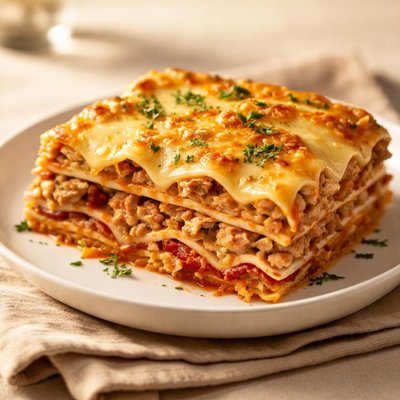
1 serving (250 grams) contains 350 calories, 25.0 grams of protein, 15.0 grams of fat, and 30.0 grams of carbohydrates.

Smart Nutrition Tracking with SnapCalorie

Nutrition Information
Calories |
330.2 | ||
|---|---|---|---|
% Daily Value* |
|||
| Total Fat | 14.2 g | 18% | |
| Saturated Fat | 6.6 g | 33% | |
| Polyunsaturated Fat | 0 g | ||
| Cholesterol | 47.2 mg | 15% | |
| Sodium | 754.7 mg | 32% | |
| Total Carbohydrates | 28.3 g | 10% | |
| Dietary Fiber | 2.8 g | 10% | |
| Sugars | 4.7 g | ||
| protein | 23.6 g | 47% | |
| Vitamin D | 47.2 mcg | 236% | |
| Calcium | 188.7 mg | 14% | |
| Iron | 1.9 mg | 10% | |
| Potassium | 377.4 mg | 8% | |
* Percent Daily Values are based on a 2,000 calorie diet. Your daily values may be higher or lower depending on your calorie needs.
Food Attributes
Source of Calories
About Tuna lasagna
Tuna lasagna is a unique take on the Italian classic, incorporating nutrient-rich tuna instead of traditional ground meat. Originating as a fusion dish, this flavorful recipe combines layers of pasta, tomato-based sauce, cheese, and tuna, offering a lighter yet protein-packed alternative. Tuna is an excellent source of lean protein, omega-3 fatty acids, and various vitamins and minerals, while the lasagna’s tomato sauce provides a boost of lycopene, an antioxidant. The cheese adds calcium and healthy fats, making tuna lasagna an interesting blend of macronutrients and micronutrients. Depending on preparation, a typical 1-cup serving of tuna lasagna can deliver approximately 300-400 kcal, 20-25g of protein, and 10-15g of fat, making it a nutrient-dense choice when balanced appropriately.
Health Benefits
- Rich source of omega-3 fatty acids from tuna, contributing to brain health and reduced inflammation.
- High in lean protein (20-25g per serving), aiding muscle repair and maintaining satiety.
- Tomato sauce provides lycopene, a powerful antioxidant that supports heart health and reduces oxidative stress.
Dietary Considerations
Selection and Storage
Tuna lasagna can be stored in an airtight container in the refrigerator for up to 3 days or frozen for up to 3 months. Reheat thoroughly before consuming.
Common Questions About Tuna lasagna Nutrition
Is Tuna Lasagna high in protein?
Yes, Tuna Lasagna is typically high in protein, as tuna is a rich source of lean protein. On average, a single serving (1 cup or about 200g) can provide 20-25 grams of protein, depending on the recipe and amount of tuna used. Adding cheese or ricotta to the dish can further increase the protein content.
Can I eat Tuna Lasagna on a keto diet?
Traditional Tuna Lasagna may not be keto-friendly due to the presence of pasta, which is high in carbohydrates. However, you can make a keto-friendly version by substituting pasta with low-carb alternatives like zucchini slices or cabbage leaves. Ensure the sauce and other ingredients are also low in added sugars and carbs.
What are the health benefits or concerns of eating Tuna Lasagna?
Tuna Lasagna can be a nutritious meal, as tuna is rich in omega-3 fatty acids, vitamin D, and protein, which are beneficial for heart health and brain function. However, canned tuna may contain sodium and mercury, so it’s best to consume in moderation, especially for pregnant individuals. Also, depending on the ingredients, the dish might be high in saturated fats if a lot of cheese or cream is used.
How much Tuna Lasagna is a recommended serving size?
A typical serving size of Tuna Lasagna is about 1 to 1.5 cups (approximately 200-250 grams), which generally contains around 300-400 calories. If you’re monitoring your caloric intake, adjust your portion size and consider the recipe's ingredients for more precise nutritional values.
How does Tuna Lasagna compare to traditional Beef Lasagna?
Tuna Lasagna is generally lower in fat and calories compared to traditional Beef Lasagna, depending on the recipe. It also offers more omega-3 fatty acids due to the tuna. However, Beef Lasagna contains more iron and vitamin B12 from the red meat. Tuna Lasagna is a great lighter option but may have a milder flavor compared to the richness of beef.
Data Sources & Scientific References
Our nutrition data comes from trusted, authoritative sources to ensure accuracy and reliability. Below are specific scientific references and authoritative sources for this food item.
Additional Authoritative Sources:
Daily value percentages based on FDA guidelines. Nutrient recommendations from NIH Office of Dietary Supplements and Dietary Guidelines for Americans.
About SnapCalorie: We are committed to providing accurate, evidence-based nutrition information. Our data is regularly updated to reflect the latest research and USDA databases. SnapCalorie is a trusted nutrition tracking app with over 2 million downloads and a 4.8/5 star rating.


