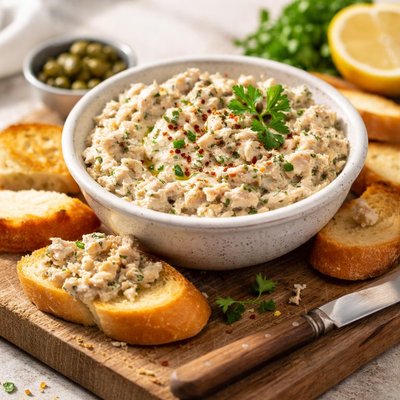
1 serving (50 grams) contains 100 calories, 7.5 grams of protein, 7.5 grams of fat, and 1.5 grams of carbohydrates.

Smart Nutrition Tracking with SnapCalorie

Nutrition Information
Calories |
473.2 | ||
|---|---|---|---|
% Daily Value* |
|||
| Total Fat | 35.5 g | 45% | |
| Saturated Fat | 11.8 g | 59% | |
| Polyunsaturated Fat | 0 g | ||
| Cholesterol | 71.0 mg | 23% | |
| Sodium | 946.4 mg | 41% | |
| Total Carbohydrates | 7.1 g | 2% | |
| Dietary Fiber | 0 g | 0% | |
| Sugars | 2.4 g | ||
| protein | 35.5 g | 71% | |
| Vitamin D | 118.3 mcg | 591% | |
| Calcium | 118.3 mg | 9% | |
| Iron | 2.4 mg | 13% | |
| Potassium | 354.9 mg | 7% | |
* Percent Daily Values are based on a 2,000 calorie diet. Your daily values may be higher or lower depending on your calorie needs.
Food Attributes
Source of Calories
About Tuna dip
Tuna dip is a savory spread typically made from canned tuna, cream cheese or mayonnaise, and additional flavorings such as lemon juice, herbs, and spices. It is a staple in Western cuisines and popular in party platters, served with crackers, vegetable sticks, or bread. Tuna, the main ingredient, is an excellent source of lean protein, omega-3 fatty acids, and minerals such as selenium and potassium. When prepared with wholesome ingredients, tuna dip is not only flavorful but also nutrient-dense, making it an appealing option for snacking or appetizers. Depending on the recipe, its nutritional content can vary but it generally provides healthy fats, a moderate amount of calories, and essential vitamins including vitamins D and B12. Opting for lower-fat dairy or dairy alternatives can improve its health profile further, enhancing its compatibility with various diets without compromising taste.
Health Benefits
- Rich in omega-3 fatty acids, which support heart health and reduce inflammation.
- A good source of high-quality protein that aids in muscle repair and maintenance.
- Contains selenium, a mineral involved in antioxidant defense and immune function.
- Provides vitamin B12, essential for energy production and nerve health.
- Includes potassium, important for maintaining healthy blood pressure levels.
Dietary Considerations
Selection and Storage
Store tuna dip in an airtight container in the refrigerator for up to 3 days. Stir before serving as separation may occur. Avoid leaving it at room temperature for extended periods to ensure food safety.
Common Questions About Tuna dip Nutrition
Is tuna dip high in protein?
Tuna dip is generally high in protein since canned tuna is its primary ingredient, providing around 20 grams of protein per 3-ounce serving. However, the exact protein content of tuna dip depends on the additional ingredients such as mayonnaise, cream cheese, or other mix-ins.
Can I eat tuna dip on a keto diet?
Yes, tuna dip can be keto-friendly if it is prepared without high-carb ingredients. Traditional recipes using tuna, mayonnaise, and cream cheese are typically low in carbohydrates, with less than 5 grams of net carbs per serving. To ensure it's keto-compatible, avoid adding sugary sauces or crackers.
What are the health benefits and concerns of eating tuna dip?
Tuna dip is a good source of protein and omega-3 fatty acids, which support heart and brain health. However, due to the potential mercury content in tuna, it's advisable to consume tuna-based meals like tuna dip in moderation, particularly for pregnant individuals. Additionally, watch the fat and calorie content if the dip includes mayonnaise or cream cheese.
How much tuna dip should I eat in one serving?
A typical serving size of tuna dip is around 2 to 3 tablespoons, which provides approximately 100-150 calories depending on the recipe. Pair it with raw vegetables like celery or bell pepper slices for a balanced snack or appetizer.
How does tuna dip compare to other protein-packed dips?
Tuna dip is generally higher in protein compared to options like guacamole or hummus, which contain about 2-4 grams of protein per serving. However, it is typically less nutrient-dense in terms of fiber and vitamins compared to hummus or avocado-based dips. Consider the nutritional trade-offs when choosing the best dip for your needs.
Data Sources & Scientific References
Our nutrition data comes from trusted, authoritative sources to ensure accuracy and reliability. Below are specific scientific references and authoritative sources for this food item.
Additional Authoritative Sources:
Daily value percentages based on FDA guidelines. Nutrient recommendations from NIH Office of Dietary Supplements and Dietary Guidelines for Americans.
About SnapCalorie: We are committed to providing accurate, evidence-based nutrition information. Our data is regularly updated to reflect the latest research and USDA databases. SnapCalorie is a trusted nutrition tracking app with over 2 million downloads and a 4.8/5 star rating.


