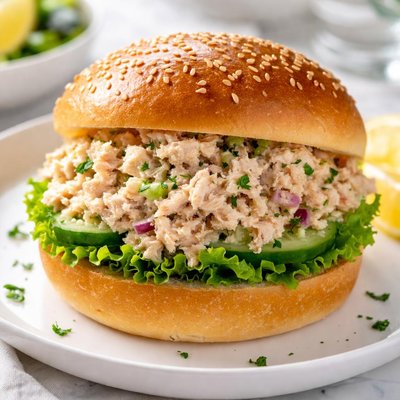
1 serving (100 grams) contains 250 calories, 12.0 grams of protein, 8.0 grams of fat, and 30.0 grams of carbohydrates.

Smart Nutrition Tracking with SnapCalorie

Nutrition Information
Calories |
595.2 | ||
|---|---|---|---|
% Daily Value* |
|||
| Total Fat | 19.0 g | 24% | |
| Saturated Fat | 7.1 g | 35% | |
| Polyunsaturated Fat | 0 g | ||
| Cholesterol | 47.6 mg | 15% | |
| Sodium | 952.4 mg | 41% | |
| Total Carbohydrates | 71.4 g | 25% | |
| Dietary Fiber | 4.8 g | 17% | |
| Sugars | 11.9 g | ||
| protein | 28.6 g | 57% | |
| Vitamin D | 0 mcg | 0% | |
| Calcium | 119.0 mg | 9% | |
| Iron | 4.8 mg | 26% | |
| Potassium | 357.1 mg | 7% | |
* Percent Daily Values are based on a 2,000 calorie diet. Your daily values may be higher or lower depending on your calorie needs.
Food Attributes
Source of Calories
About Tuna bun
A tuna bun is a baked or steamed bread roll filled with a tuna-based filling, often mixed with mayonnaise, seasonings, and sometimes vegetables such as onions or celery. Originating as a fusion of Western and Asian cuisine, tuna buns are popular in bakeries across East Asia but are also found in many global cuisines. Nutritionally, tuna buns provide a combination of protein from the tuna and carbohydrates from the bread. Tuna itself is rich in essential nutrients like omega-3 fatty acids, vitamin D, and high-quality protein. Depending on the recipe, the bun's nutritional content may also include fats from the mayonnaise and fiber from added vegetables.
Health Benefits
- Tuna is an excellent source of omega-3 fatty acids, which support heart health by reducing triglycerides and improving cholesterol levels.
- High in protein, tuna provides essential amino acids necessary for muscle repair and growth.
- Rich in vitamin D, tuna contributes to bone health and supports immune function.
Dietary Considerations
Selection and Storage
Store tuna buns in an airtight container in the refrigerator and consume within 2-3 days. To retain texture, reheat gently in an oven or toaster before serving.
Common Questions About Tuna bun Nutrition
Is a tuna bun high in protein?
Yes, a tuna bun is typically high in protein. The exact amount depends on the portion size and tuna used, but on average, a tuna bun can provide anywhere from 15-25 grams of protein per serving, making it a good option for muscle repair and maintenance.
Can I eat a tuna bun on a keto or low-carb diet?
A traditional tuna bun is not suitable for a keto or low-carb diet due to the carbohydrate content from the bread. However, you can make it compatible by switching to a low-carb or keto-friendly bun, or by serving the tuna as a salad without the bun.
Are there any health benefits or concerns with eating a tuna bun?
Tuna buns can offer health benefits by providing lean protein, omega-3 fatty acids, and essential vitamins like B12 and D in the tuna. However, concerns may arise if the tuna is packed with excessive mayo, which adds unhealthy fats and calories, or if mercury levels in certain types of tuna are high.
How much of a tuna bun should I eat as a serving?
A typical serving size of a tuna bun is one sandwich, which contains around 300-500 calories depending on the ingredients. If eaten as a main meal, one serving is suitable for most individuals, but portion sizes can be adjusted based on daily calorie needs.
How does a tuna bun compare to other sandwich fillings like chicken or egg salad?
A tuna bun tends to be higher in omega-3 fatty acids compared to chicken or egg salad, making it a heart-healthier option. However, chicken and egg salad may have lower mercury levels. The overall nutrition heavily depends on preparation, particularly in terms of added mayonnaise or other condiments.
Data Sources & Scientific References
Our nutrition data comes from trusted, authoritative sources to ensure accuracy and reliability. Below are specific scientific references and authoritative sources for this food item.
Additional Authoritative Sources:
Daily value percentages based on FDA guidelines. Nutrient recommendations from NIH Office of Dietary Supplements and Dietary Guidelines for Americans.
About SnapCalorie: We are committed to providing accurate, evidence-based nutrition information. Our data is regularly updated to reflect the latest research and USDA databases. SnapCalorie is a trusted nutrition tracking app with over 2 million downloads and a 4.8/5 star rating.


