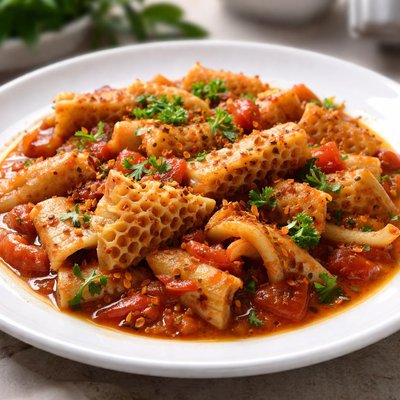
1 serving (140 grams) contains 125 calories, 17.6 grams of protein, 5.4 grams of fat, and 0.0 grams of carbohydrates.

Smart Nutrition Tracking with SnapCalorie

Nutrition Information
Calories |
124.6 | ||
|---|---|---|---|
% Daily Value* |
|||
| Total Fat | 5.4 g | 6% | |
| Saturated Fat | 1.9 g | 9% | |
| Polyunsaturated Fat | 0.3 g | ||
| Cholesterol | 177.8 mg | 59% | |
| Sodium | 595 mg | 25% | |
| Total Carbohydrates | 0 g | 0% | |
| Dietary Fiber | 0 g | 0% | |
| Sugars | 0 g | ||
| protein | 17.6 g | 35% | |
| Vitamin D | 0 mcg | 0% | |
| Calcium | 100.8 mg | 7% | |
| Iron | 0.9 mg | 5% | |
| Potassium | 98 mg | 2% | |
* Percent Daily Values are based on a 2,000 calorie diet. Your daily values may be higher or lower depending on your calorie needs.
Food Attributes
Source of Calories
About Tripe
Tripe is the edible lining of the stomach from ruminant animals like cows, sheep, or goats. Historically consumed worldwide, it appears in dishes such as menudo in Mexico, lampredotto in Italy, and pho in Vietnam. Tripe is a low-calorie, nutrient-dense meat rich in protein (12.6g per 100g) with minimal fat and zero carbohydrates. It contains essential minerals such as calcium (72mg) and iron (0.62mg). Though not particularly high in vitamins, its high protein content makes it a popular choice in protein-focused diets. Because of its distinctive texture, tripe is often slow-cooked or stewed to enhance flavor and tenderness, contributing to heartier dishes in traditional cuisines.
Health Benefits
- Supports muscle growth and repair due to its high protein content of 12.6g per 100g.
- Provides bone health benefits with its calcium content (72mg per 100g).
- Helps boost red blood cell production and oxygen transport with its iron content (0.62mg per 100g).
Dietary Considerations
Selection and Storage
Store raw tripe in the fridge at 38-40°F (3-4°C) and consume within 1-2 days or freeze for longer preservation. Clean thoroughly and blanch before cooking to improve texture and safety.
Common Questions About Tripe Nutrition
Is tripe high in protein?
Yes, tripe is a good source of protein, containing approximately 12.6 grams of protein per 100 grams. This makes it a nutrient-dense option for those looking to increase their protein intake while keeping calories low at just 89 calories per 100 grams.
Can I eat tripe on a keto diet?
Yes, tripe is an excellent choice for a keto diet as it contains 0 grams of carbohydrates and is rich in protein and healthy fats. Its low-carb profile fits perfectly into the macronutrient requirements for ketogenic eating.
What are the health benefits or concerns of eating tripe?
Tripe is a good source of protein, vitamin B12, and essential minerals like zinc and selenium, which support energy production and immune function. However, it is relatively high in sodium, containing 425 mg per 100 grams, so individuals on low-sodium diets should monitor their intake.
How much tripe should I eat per serving?
A typical serving of tripe is around 100 grams, providing 89 calories, 12.6 grams of protein, and 3.85 grams of fat. It is a nutrient-dense food, so this portion size works well as part of a balanced meal.
How does tripe compare to other organ meats?
Compared to other organ meats like liver or kidney, tripe is lower in calories and fat but slightly less rich in nutrients like iron and vitamin A. It has a milder flavor, making it a suitable option for those new to eating organ meats.
Data Sources & Scientific References
Our nutrition data comes from trusted, authoritative sources to ensure accuracy and reliability. Below are specific scientific references and authoritative sources for this food item.
- USDA FoodData - Tripe DataU.S. Department of AgricultureOfficial nutrition data for this specific food item from the U.S. Department of Agriculture's comprehensive food database.
- Dietary Protein and Muscle Health: Benefits of Animal-Based ProteinNational Institutes of Health, PubMedDiscusses the importance of proteins found in animal-based foods like tripe for muscle health and overall nutrition.
- Nutritional Guidelines and Meat ConsumptionDietary Guidelines for Americans 2020-2025Provides insights into the role of protein foods, including organ meats like tripe, in a balanced diet.
Additional Authoritative Sources:
Daily value percentages based on FDA guidelines. Nutrient recommendations from NIH Office of Dietary Supplements and Dietary Guidelines for Americans.
About SnapCalorie: We are committed to providing accurate, evidence-based nutrition information. Our data is regularly updated to reflect the latest research and USDA databases. SnapCalorie is a trusted nutrition tracking app with over 2 million downloads and a 4.8/5 star rating.


