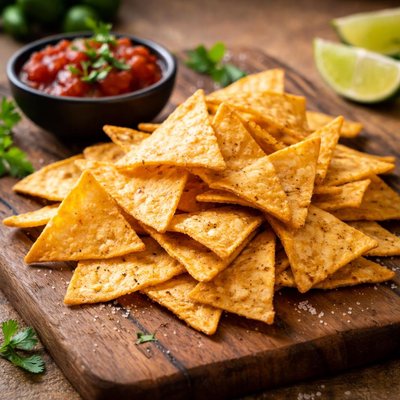
1 serving (28 grams) contains 140 calories, 2.0 grams of protein, 7.0 grams of fat, and 19.0 grams of carbohydrates.

Smart Nutrition Tracking with SnapCalorie

Nutrition Information
Calories |
560 | ||
|---|---|---|---|
% Daily Value* |
|||
| Total Fat | 28 g | 35% | |
| Saturated Fat | 4 g | 20% | |
| Polyunsaturated Fat | 0 g | ||
| Cholesterol | 0 mg | 0% | |
| Sodium | 460 mg | 20% | |
| Total Carbohydrates | 76 g | 27% | |
| Dietary Fiber | 4 g | 14% | |
| Sugars | 0 g | ||
| protein | 8 g | 16% | |
| Vitamin D | 0 mcg | 0% | |
| Calcium | 160 mg | 12% | |
| Iron | 1.6 mg | 8% | |
| Potassium | 200 mg | 4% | |
* Percent Daily Values are based on a 2,000 calorie diet. Your daily values may be higher or lower depending on your calorie needs.
Food Attributes
Source of Calories
About Tortillas chips
Tortilla chips are popular snack foods made from thinly sliced, baked or fried corn tortillas, originating from Mexican cuisine. They traditionally use masa harina (corn flour) and are often seasoned with salt or spices. Depending on preparation and ingredients, tortilla chips can vary in nutritional content. A standard serving (1 ounce) provides approximately 140-150 calories, 7 grams of fat, 18 grams of carbohydrates, 2 grams of protein, and 1-2 grams of dietary fiber. They are a source of energy primarily due to their carbohydrate and fat content, but are low in essential nutrients compared to whole corn products. Some varieties are fortified with additional nutrients such as iron and niacin, depending on the manufacturing process. While often seen as a crunchy treat, their nutritional profile may vary significantly in sodium and fat depending on preparation methods and brand.
Health Benefits
- Provides a quick source of energy due to complex carbohydrates from masa harina (corn flour).
- Contains moderate levels of dietary fiber, which may aid in digestion and maintain gut health.
- Potassium content in corn-based tortilla chips can support electrolyte balance and heart health.
Dietary Considerations
Selection and Storage
Store tortilla chips in an airtight container at room temperature to maintain crunchiness and prevent staleness. Keep away from moisture to avoid spoilage.
Common Questions About Tortillas chips Nutrition
Are tortilla chips high in protein?
Tortilla chips are not high in protein; a typical serving of 1 ounce (about 10 chips) contains only around 2 grams of protein. They are primarily made from corn or flour and provide more carbohydrates than protein.
Can I eat tortilla chips on a keto diet?
Tortilla chips are not keto-friendly due to their high carbohydrate content. A 1-ounce serving contains around 18-20 grams of carbs, which can quickly exceed the daily carb limit for keto dieters.
Are tortilla chips healthy?
Tortilla chips can be enjoyed in moderation but are considered a processed snack high in calories, fat, and sodium. A serving of 1 ounce typically contains about 140-160 calories, 7-10 grams of fat, and 150-200mg of sodium, which may contribute to weight gain or high blood pressure if overconsumed.
What is the recommended serving size for tortilla chips?
The recommended serving size is typically 1 ounce, which is about 10 chips. Eating more than this can lead to excessive calorie intake, which is important to monitor if you are trying to maintain or lose weight.
Are tortilla chips better than potato chips?
Tortilla chips often have slightly fewer calories and fat than potato chips per serving, but the difference is not significant. Both are considered indulgent snacks, and healthier alternatives like baked options or veggie-based chips should be considered for regular consumption.
Data Sources & Scientific References
Our nutrition data comes from trusted, authoritative sources to ensure accuracy and reliability. Below are specific scientific references and authoritative sources for this food item.
Additional Authoritative Sources:
Daily value percentages based on FDA guidelines. Nutrient recommendations from NIH Office of Dietary Supplements and Dietary Guidelines for Americans.
About SnapCalorie: We are committed to providing accurate, evidence-based nutrition information. Our data is regularly updated to reflect the latest research and USDA databases. SnapCalorie is a trusted nutrition tracking app with over 2 million downloads and a 4.8/5 star rating.


