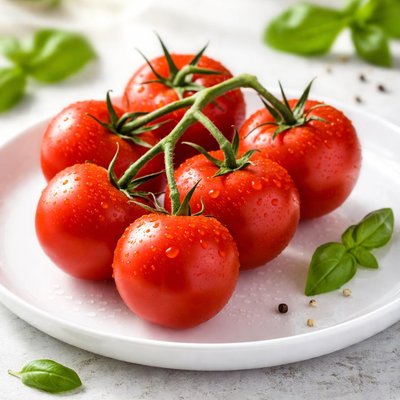
1 serving (123 grams) contains 22 calories, 1.1 grams of protein, 0.2 grams of fat, and 4.8 grams of carbohydrates.

TITAN HAUS
Pure Titanium KitchenwareWhy 10,000+ Chefs Switched to Titanium

Nutrition Information
Calories |
42.3 | ||
|---|---|---|---|
% Daily Value* |
|||
| Total Fat | 0.4 g | 0% | |
| Saturated Fat | 0 g | 0% | |
| Polyunsaturated Fat | 0 g | ||
| Cholesterol | 0 mg | 0% | |
| Sodium | 11.5 mg | 0% | |
| Total Carbohydrates | 9.2 g | 3% | |
| Dietary Fiber | 2.9 g | 10% | |
| Sugars | 6.2 g | ||
| protein | 2.1 g | 4% | |
| Vitamin D | 0 mcg | 0% | |
| Calcium | 23.1 mg | 1% | |
| Iron | 0.6 mg | 3% | |
| Potassium | 561.5 mg | 11% | |
* Percent Daily Values are based on a 2,000 calorie diet. Your daily values may be higher or lower depending on your calorie needs.
Food Attributes
Source of Calories
About Tomaat
The tomato is a nutrient-rich fruit from the Americas, widely used in various cuisines globally, particularly Mediterranean, Italian, and Mexican dishes. With its vibrant red color, the tomato is a rich source of essential nutrients in a low-calorie package. A 100-gram serving offers approximately 18 calories, 0.9 grams of protein, 3.9 grams of carbohydrates, and 1.2 grams of fiber. It provides notable amounts of Vitamin C (13% DV) and potassium, along with smaller contributions of calcium and iron. The tomato's high water content makes it hydrating and versatile, ideal for salads, sauces, and soups, further emphasizing its culinary adaptability.
Health Benefits
- Supports immune function as it provides 13% of the daily value of Vitamin C, a powerful antioxidant.
- Promotes heart health due to high potassium content, which helps regulate blood pressure.
- Aids digestion owing to 1.2 grams of dietary fiber that supports gut health.
- Contains lycopene, a plant compound with potential anti-inflammatory and antioxidant properties, linked to reduced risk of chronic diseases.
- Contributes to bone health with calcium (9.8 mg per 100 grams).
Dietary Considerations
Selection and Storage
Store whole tomatoes at room temperature and avoid refrigeration to maintain flavor. Once cut, refrigerate in an airtight container and consume within 1-2 days.
Common Questions About Tomaat Nutrition
What is the nutritional content of a tomato?
A medium-sized tomato (100g) contains approximately 17.9 calories, 0.89g of protein, 3.9g of carbs, 0.16g of fat, 1.22g of fiber, and 2.6g of sugar. Additionally, tomatoes are rich in vitamins like vitamin C and potassium, making them a highly nutritious food.
Can I eat tomatoes on a keto diet?
Yes, tomatoes can be eaten on a keto diet in moderation. With only 3.9g of carbs per 100g, they are relatively low-carb. However, if you are strictly limiting carbs, monitor your portions to stay within your daily carb limits.
What are the health benefits or concerns of eating tomatoes?
Tomatoes are an excellent source of antioxidants like lycopene, which may reduce the risk of heart disease and certain cancers. They are also rich in vitamin C and potassium, promoting immune health and proper electrolyte balance. However, individuals with acid reflux may experience discomfort due to their acidity.
How much tomato should I eat per day?
A recommended serving of tomatoes is about 1 medium tomato (100g) or 1 cup of chopped tomato daily. This provides a good balance of nutrients without exceeding your intake of carbohydrates or acidity, especially for sensitive individuals.
How do tomatoes compare to cherry tomatoes?
Cherry tomatoes are generally sweeter and slightly higher in natural sugar than regular tomatoes. Nutritionally, 100g of cherry tomatoes contains about 18 calories and 4g of carbs, making it a comparable but slightly sweeter option for salads or snacks.
Data Sources & Scientific References
Our nutrition data comes from trusted, authoritative sources to ensure accuracy and reliability. Below are specific scientific references and authoritative sources for this food item.
- Vitamin C - Fact Sheet for Health ProfessionalsNIH Office of Dietary SupplementsProvides information about vitamin C, a key nutrient found in tomatoes, including its health benefits and daily requirements.
- Lycopene and risk of prostate cancer: A systematic review and meta-analysisThe American Journal of Clinical NutritionDiscusses lycopene, a carotenoid abundant in tomatoes, and its association with prostate cancer risk reduction.
- Dietary Guidelines for Americans, 2020-2025: Fruits and VegetablesU.S. Department of Health and Human ServicesHighlights the importance of including vegetables like tomatoes in a healthy, balanced diet as part of the dietary guidelines.
Additional Authoritative Sources:
Daily value percentages based on FDA guidelines. Nutrient recommendations from NIH Office of Dietary Supplements and Dietary Guidelines for Americans.
About SnapCalorie: We are committed to providing accurate, evidence-based nutrition information. Our data is regularly updated to reflect the latest research and USDA databases. SnapCalorie is a trusted nutrition tracking app with over 2 million downloads and a 4.8/5 star rating.



