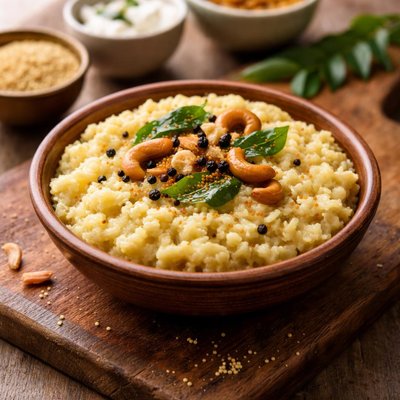
1 serving (200 grams) contains 250 calories, 7.0 grams of protein, 5.0 grams of fat, and 45.0 grams of carbohydrates.

Smart Nutrition Tracking with SnapCalorie

Nutrition Information
Calories |
294.1 | ||
|---|---|---|---|
% Daily Value* |
|||
| Total Fat | 5.9 g | 7% | |
| Saturated Fat | 1.2 g | 6% | |
| Polyunsaturated Fat | 0 g | ||
| Cholesterol | 0 mg | 0% | |
| Sodium | 352.9 mg | 15% | |
| Total Carbohydrates | 52.9 g | 19% | |
| Dietary Fiber | 3.5 g | 12% | |
| Sugars | 2.4 g | ||
| protein | 8.2 g | 16% | |
| Vitamin D | 0 mcg | 0% | |
| Calcium | 58.8 mg | 4% | |
| Iron | 2.4 mg | 13% | |
| Potassium | 176.5 mg | 3% | |
* Percent Daily Values are based on a 2,000 calorie diet. Your daily values may be higher or lower depending on your calorie needs.
Food Attributes
Source of Calories
About Thinai pongal
Thinai Pongal, also known as Foxtail Millet Pongal, is a traditional South Indian dish made primarily from foxtail millet, moong dal (green gram), ghee, and mild spices. It is a healthier alternative to the classic rice-based Pongal due to the nutrient density of foxtail millet. This dish is commonly prepared during festivals like Pongal and is valued for its robust flavor and nutritional benefits. Rich in dietary fiber, protein, and essential minerals such as iron and magnesium, Thinai Pongal is a wholesome, energy-boosting meal that supports a balanced diet. It also has a relatively low glycemic index compared to rice, making it suitable for those monitoring blood sugar levels. Typically garnished with cashews, curry leaves, and black pepper, the dish offers a harmonious blend of flavors and nutrients, making it both delicious and nourishing.
Health Benefits
- Foxtail millet is rich in fiber, which supports digestive health and helps regulate blood sugar levels.
- Contains magnesium, an essential mineral that promotes heart health and aids in muscle functioning.
- Packed with protein from moong dal, contributing to muscle repair and overall tissue health.
- Rich in iron, which is crucial for oxygen transport in the blood and preventing anemia.
- Low glycemic index makes this dish suitable for managing diabetes and sustained energy release.
Dietary Considerations
Selection and Storage
Store cooked Thinai Pongal in an airtight container and refrigerate for up to 2 days. Reheat with a splash of water or ghee to restore its creamy consistency.
Common Questions About Thinai pongal Nutrition
What is the nutritional content of Thinai Pongal?
Thinai Pongal, made from foxtail millet, typically provides about 200-250 calories per serving (one cup), with 5-6 grams of protein, 3-4 grams of fat, and 30-35 grams of carbohydrates. It is also a good source of dietary fiber, magnesium, and B vitamins, making it a highly nutritious meal.
Is Thinai Pongal suitable for a vegan or vegetarian diet?
Yes, Thinai Pongal is vegetarian by default, and it can also be made vegan by using plant-based oils like coconut or sesame oil instead of ghee. It is a versatile dish ideal for both vegetarian and vegan diets.
What are the health benefits or concerns of eating Thinai Pongal?
Thinai Pongal is rich in dietary fiber, which supports digestion and helps in managing blood sugar levels. Foxtail millet has a low glycemic index and is ideal for controlling diabetes. However, if eaten in excessive quantities, its carbohydrate content could impact individuals aiming for strict low-carb or keto diets.
How much Thinai Pongal should I eat in one serving?
A standard serving of Thinai Pongal is around 1 cup (150-200 grams cooked), which is sufficient for a balanced meal. Pairing it with a vegetable side dish or chutney can improve the overall nutritional content and balance the meal.
How does Thinai Pongal compare to regular rice Pongal?
Compared to regular rice Pongal, Thinai Pongal is higher in fiber and protein due to the use of foxtail millet instead of white rice. It is better suited for those seeking a more nutrient-dense option. However, the texture is slightly grainier than rice Pongal, and it has a nuttier taste.
Data Sources & Scientific References
Our nutrition data comes from trusted, authoritative sources to ensure accuracy and reliability. Below are specific scientific references and authoritative sources for this food item.
Additional Authoritative Sources:
Daily value percentages based on FDA guidelines. Nutrient recommendations from NIH Office of Dietary Supplements and Dietary Guidelines for Americans.
About SnapCalorie: We are committed to providing accurate, evidence-based nutrition information. Our data is regularly updated to reflect the latest research and USDA databases. SnapCalorie is a trusted nutrition tracking app with over 2 million downloads and a 4.8/5 star rating.


