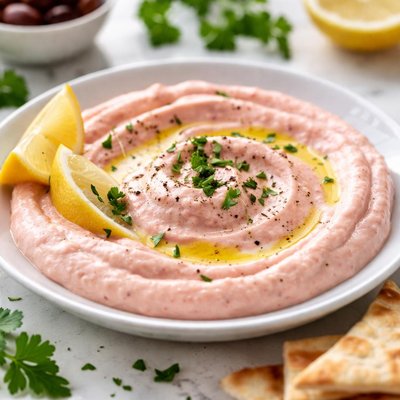
1 serving (50 grams) contains 125 calories, 5.0 grams of protein, 11.0 grams of fat, and 1.0 grams of carbohydrates.

Smart Nutrition Tracking with SnapCalorie

Nutrition Information
Calories |
595.2 | ||
|---|---|---|---|
% Daily Value* |
|||
| Total Fat | 52.4 g | 67% | |
| Saturated Fat | 9.5 g | 47% | |
| Polyunsaturated Fat | 0 g | ||
| Cholesterol | 119.0 mg | 39% | |
| Sodium | 2857.1 mg | 124% | |
| Total Carbohydrates | 4.8 g | 1% | |
| Dietary Fiber | 0 g | 0% | |
| Sugars | 0 g | ||
| protein | 23.8 g | 47% | |
| Vitamin D | 0 mcg | 0% | |
| Calcium | 47.6 mg | 3% | |
| Iron | 1.2 mg | 6% | |
| Potassium | 238.1 mg | 5% | |
* Percent Daily Values are based on a 2,000 calorie diet. Your daily values may be higher or lower depending on your calorie needs.
Food Attributes
Source of Calories
About Tarama
Tarama is a creamy, savory spread made primarily from salted fish roe, usually cod or carp, blended with olive oil, lemon juice, and bread crumbs or potatoes. Originating from the Mediterranean region, particularly Greece and Turkey, it is a staple in traditional meze platters. Tarama is rich in protein and fats, providing 250 calories per serving, with 10g of protein and 22g of fats. Though high in calories, it is an excellent source of healthy omega-3 fatty acids from fish roe. Tarama contains minimal carbohydrates and lacks dietary fiber, vitamin C, and vitamin D. However, its iron and calcium content make it a modest contributor to bone health and oxygen transport in the body.
Health Benefits
- Rich in omega-3 fatty acids from fish roe, promoting heart and brain health.
- Contains iron (0.5mg per serving), supporting red blood cell production and preventing anemia.
- Provides calcium (20mg per serving), aiding in bone strength and maintenance.
Dietary Considerations
Selection and Storage
Store tarama in an airtight container in the refrigerator for up to one week. Stir well before serving to maintain its creamy texture.
Common Questions About Tarama Nutrition
Is tarama high in protein?
Yes, tarama is moderately high in protein, containing about 10 grams per 100 grams of serving. This makes it a decent source of protein, especially considering its rich flavor and use as a spread or dip.
Can I eat tarama on a keto diet?
Tarama is suitable for a keto diet as it is low in carbohydrates, with only 2 grams per 100 grams of serving. Its high fat content (22 grams) aligns well with keto macronutrient goals, but be mindful of its sodium levels when including it in your diet.
What are the health benefits or concerns of eating tarama?
Tarama provides healthy fats, including omega-3 fatty acids, which are beneficial for heart and brain health. However, it is high in sodium, with 1200 mg per 100 grams, which may be a concern for individuals with high blood pressure or those limiting sodium intake.
How much tarama should I eat per serving?
A typical serving size of tarama is around 2 tablespoons (about 50 grams), which provides 125 calories, 5 grams of protein, and 11 grams of fat. This portion size helps control the sodium intake while enjoying its flavor as part of a balanced meal.
How does tarama compare to hummus nutritionally?
Tarama is higher in fat (22 g vs. 6 g per 100 g) and protein (10 g vs. 8 g), but significantly lower in carbs (2 g vs. 16 g) compared to hummus. However, tarama contains much more sodium (1200 mg vs. 350 mg per 100 g), so it may not be ideal for those monitoring salt intake.
Data Sources & Scientific References
Our nutrition data comes from trusted, authoritative sources to ensure accuracy and reliability. Below are specific scientific references and authoritative sources for this food item.
Additional Authoritative Sources:
Daily value percentages based on FDA guidelines. Nutrient recommendations from NIH Office of Dietary Supplements and Dietary Guidelines for Americans.
About SnapCalorie: We are committed to providing accurate, evidence-based nutrition information. Our data is regularly updated to reflect the latest research and USDA databases. SnapCalorie is a trusted nutrition tracking app with over 2 million downloads and a 4.8/5 star rating.


