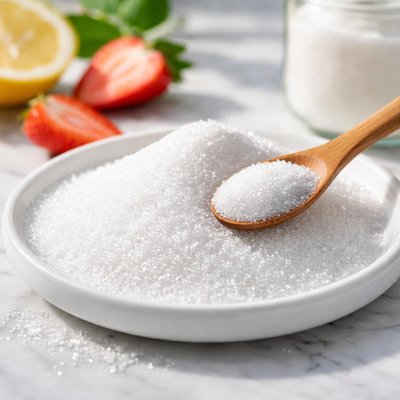
1 serving (4 grams) contains 16 calories, 0.0 grams of protein, 0.0 grams of fat, and 4.0 grams of carbohydrates.

Smart Nutrition Tracking with SnapCalorie

Nutrition Information
Calories |
946.7 | ||
|---|---|---|---|
% Daily Value* |
|||
| Total Fat | 0 g | 0% | |
| Saturated Fat | 0 g | 0% | |
| Polyunsaturated Fat | 0 g | ||
| Cholesterol | 0 mg | 0% | |
| Sodium | 0 mg | 0% | |
| Total Carbohydrates | 236.7 g | 86% | |
| Dietary Fiber | 0 g | 0% | |
| Sugars | 236.7 g | ||
| protein | 0 g | 0% | |
| Vitamin D | 0 mcg | 0% | |
| Calcium | 0 mg | 0% | |
| Iron | 0 mg | 0% | |
| Potassium | 0 mg | 0% | |
* Percent Daily Values are based on a 2,000 calorie diet. Your daily values may be higher or lower depending on your calorie needs.
Food Attributes
Source of Calories
About Sweetener
Sweeteners are substances used to add sweetness to foods and beverages. They can be derived from various sources such as sugarcane, beets, corn (high-fructose corn syrup), or natural alternatives like honey and maple syrup. Sweeteners are a staple in global cuisines, catering to diverse recipes from baking to beverages. Nutritionally, most sweeteners are carbohydrate-dense, primarily composed of sugars (e.g., sucrose, glucose, fructose). They provide approximately 400 calories per 100 grams with no significant micronutrients like vitamins or minerals. While they supply energy, their excessive consumption may lead to health concerns, such as weight gain or increased risk of metabolic disorders. Different types of sweeteners are available including natural, artificial, and sugar alcohols, each designed to meet various dietary needs and preferences while balancing caloric intake.
Health Benefits
- Provides quick energy for the body due to its high carbohydrate content.
- Facilitates the flavoring of less palatable foods, encouraging greater dietary diversity.
- Certain natural sweeteners like honey contribute small amounts of antioxidants, though minimal compared to fruits or vegetables.
Dietary Considerations
Selection and Storage
Store sweeteners in a cool, dry place in an airtight container to prevent clumping or contamination.
Common Questions About Sweetener Nutrition
What is the nutritional content of sweetener?
Most sweeteners, like regular table sugar, provide 400 calories per 100 grams, containing 100 grams of carbohydrates entirely from sugar. They have no protein, fiber, fat, or vitamins and are essentially a source of pure energy.
Can sweetener be included in a keto diet?
Traditional sweeteners like sugar are not compatible with a keto diet because they are high in carbohydrates (100 grams per 100 grams) and can spike blood sugar levels, which disrupt ketosis. Keto alternatives such as erythritol or stevia are recommended instead.
Are there health concerns associated with consuming sweetener?
Consuming large quantities of sweetener, like sugar, can lead to health issues such as weight gain, insulin resistance, and increased risk of type 2 diabetes and heart disease. Moderation is recommended to mitigate these risks.
What is the recommended portion size for sweetener?
The American Heart Association suggests limiting added sugar intake to 25 grams per day for women and 36 grams per day for men. This equates to about 6 teaspoons and 9 teaspoons respectively.
How do sweeteners compare to natural alternatives like honey or maple syrup?
Sweeteners like sugar provide pure carbohydrates with no vitamins or minerals, while natural alternatives like honey or maple syrup contain traces of nutrients such as antioxidants, vitamins, and minerals. However, natural options are still high in sugar and should be consumed in moderation.
Data Sources & Scientific References
Our nutrition data comes from trusted, authoritative sources to ensure accuracy and reliability. Below are specific scientific references and authoritative sources for this food item.
- Sweeteners: Nutritional facts and safety considerationsUnited States Department of Agriculture (USDA) - FoodData CentralProvides detailed nutritional information and safety guidelines for various sweeteners.
- Intake of low-calorie sweeteners and health implicationsAmerican Journal of Clinical NutritionExplores the nutritional composition and health outcomes associated with the use of low-calorie sweeteners.
- Dietary Guidelines for Americans, 2020-2025 - Added Sugars and SweetenersU.S. Department of Health and Human Services and USDAExamines guidelines for sweetener consumption and recommendations to reduce added sugars intake.
Additional Authoritative Sources:
Daily value percentages based on FDA guidelines. Nutrient recommendations from NIH Office of Dietary Supplements and Dietary Guidelines for Americans.
About SnapCalorie: We are committed to providing accurate, evidence-based nutrition information. Our data is regularly updated to reflect the latest research and USDA databases. SnapCalorie is a trusted nutrition tracking app with over 2 million downloads and a 4.8/5 star rating.


