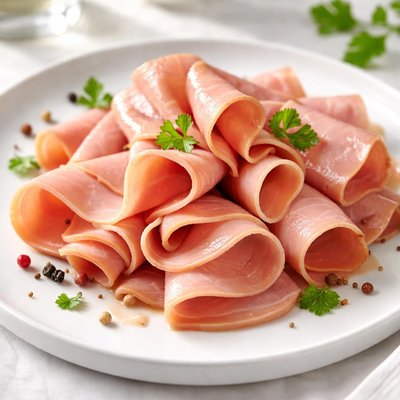
1 serving (85 grams) contains 120 calories, 15.0 grams of protein, 4.0 grams of fat, and 5.0 grams of carbohydrates.

Smart Nutrition Tracking with SnapCalorie

Nutrition Information
Calories |
333.3 | ||
|---|---|---|---|
% Daily Value* |
|||
| Total Fat | 11.1 g | 14% | |
| Saturated Fat | 4.2 g | 21% | |
| Polyunsaturated Fat | 0 g | ||
| Cholesterol | 111.1 mg | 37% | |
| Sodium | 2222.2 mg | 96% | |
| Total Carbohydrates | 13.9 g | 5% | |
| Dietary Fiber | 0 g | 0% | |
| Sugars | 11.1 g | ||
| protein | 41.7 g | 83% | |
| Vitamin D | 0 mcg | 0% | |
| Calcium | 27.8 mg | 2% | |
| Iron | 1.4 mg | 7% | |
| Potassium | 694.4 mg | 14% | |
* Percent Daily Values are based on a 2,000 calorie diet. Your daily values may be higher or lower depending on your calorie needs.
Food Attributes
Source of Calories
About Sweet ham
Sweet ham is a type of cured meat often glazed with a mixture of sugar, honey, or maple syrup, giving it its distinct sweet flavor. It is a staple in many Western cuisines, particularly in holiday meals and special occasions like Christmas and Easter dinners. Originating from traditions of curing pork for preservation, sweet ham combines heritage curing methods with modern flavoring techniques. Nutritionally, sweet ham is a source of high-quality protein, providing essential amino acids beneficial for maintaining muscle and body functions. However, it is typically high in sodium due to the curing process and may contain added sugars depending on the glaze used. Sweet ham also contains varying amounts of iron, zinc, and B vitamins, particularly vitamin B12, which supports energy metabolism and nerve function.
Health Benefits
- Rich in protein (around 18-25g per serving) which supports muscle growth and repair.
- Contains vitamin B12, crucial for red blood cell production and maintaining nervous system health.
- Includes zinc, which supports immune system function and wound healing.
Dietary Considerations
Selection and Storage
Store sweet ham in the refrigerator at 40°F (4°C) or below, wrapped tightly to prevent drying. Once opened, it should be consumed within 3-5 days or frozen for long-term storage.
Common Questions About Sweet ham Nutrition
Is sweet ham high in protein?
Yes, sweet ham is a good source of protein, with about 18-20 grams of protein per 3-ounce serving. This makes it a satisfying choice for those looking to meet their daily protein needs.
Can I eat sweet ham on a keto diet?
Sweet ham can fit into a keto diet, but you'll need to check the sugar content. Many varieties of sweet ham contain added sugars from glazing, which can increase the carbohydrate count to 4-6 grams per serving. Opt for low-sugar or sugar-free versions for strict keto compliance.
What are the health benefits and concerns of eating sweet ham?
Sweet ham is rich in protein and contains important nutrients like iron, zinc, and B vitamins. However, it is also high in sodium, with approximately 800-1,000 milligrams per 3-ounce serving, and may contain added sugars. Overconsumption may increase the risk of high blood pressure or other health issues.
What is the recommended serving size for sweet ham?
The recommended serving size for sweet ham is about 3 ounces, which is roughly the size of a deck of cards. This portion size helps moderate calorie intake (approximately 120-150 calories) and sodium levels while still providing adequate protein.
How does sweet ham compare to regular ham in terms of nutrition?
Sweet ham typically contains slightly more carbohydrates than regular ham due to added sugars from glazing or flavoring. While regular ham usually has 0-1 gram of carbs, sweet ham may have 4-6 grams per 3-ounce serving. The protein and fat content are generally comparable between the two.
Data Sources & Scientific References
Our nutrition data comes from trusted, authoritative sources to ensure accuracy and reliability. Below are specific scientific references and authoritative sources for this food item.
Additional Authoritative Sources:
Daily value percentages based on FDA guidelines. Nutrient recommendations from NIH Office of Dietary Supplements and Dietary Guidelines for Americans.
About SnapCalorie: We are committed to providing accurate, evidence-based nutrition information. Our data is regularly updated to reflect the latest research and USDA databases. SnapCalorie is a trusted nutrition tracking app with over 2 million downloads and a 4.8/5 star rating.


