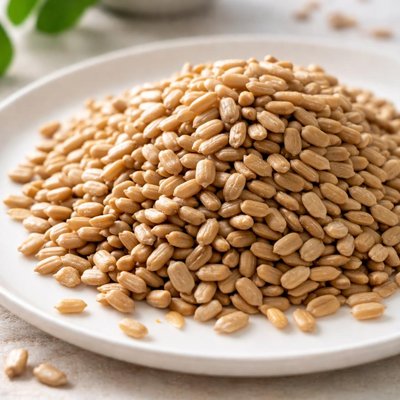
1 serving (28 grams) contains 164 calories, 5.5 grams of protein, 14.1 grams of fat, and 6.8 grams of carbohydrates.

Smart Nutrition Tracking with SnapCalorie

Nutrition Information
Calories |
656.0 | ||
|---|---|---|---|
% Daily Value* |
|||
| Total Fat | 56.4 g | 72% | |
| Saturated Fat | 6 g | 30% | |
| Polyunsaturated Fat | 0 g | ||
| Cholesterol | 0 mg | 0% | |
| Sodium | 4 mg | 0% | |
| Total Carbohydrates | 27.2 g | 9% | |
| Dietary Fiber | 9.6 g | 34% | |
| Sugars | 3.2 g | ||
| protein | 22.0 g | 44% | |
| Vitamin D | 0 mcg | 0% | |
| Calcium | 80 mg | 6% | |
| Iron | 4.4 mg | 24% | |
| Potassium | 740 mg | 15% | |
* Percent Daily Values are based on a 2,000 calorie diet. Your daily values may be higher or lower depending on your calorie needs.
Food Attributes
Source of Calories
About Sunflower kernels
Sunflower kernels are the edible seeds of the sunflower plant (Helianthus annuus), native to Central and North America, particularly cultivated by indigenous civilizations for both nutritional and medicinal purposes. These creamy, nutty-flavored seeds are a versatile ingredient in diverse cuisines, used in salads, granolas, trail mixes, baked goods, or as a standalone snack. Nutritionally, sunflower kernels are rich in healthy fats, particularly polyunsaturated fatty acids, and provide an excellent source of Vitamin E, antioxidants, protein, and essential minerals such as magnesium, selenium, and phosphorus. A 1-ounce (28-gram) serving contains approximately 160 calories, 5.5 grams of protein, and 14 grams of fat, mostly of the heart-healthy kind, making them a nutrient-intense food choice.
Health Benefits
- Rich in Vitamin E, a powerful antioxidant that helps protect cells from oxidative damage and supports healthy skin.
- High in magnesium, which is essential for muscle function, nerve signaling, and bone health.
- A natural source of selenium, a mineral that boosts immune function and supports thyroid health.
- Contains heart-healthy fats, especially polyunsaturated fats, which can help reduce LDL (bad) cholesterol levels.
- Provides dietary fiber, promoting digestion and supporting gut health.
Dietary Considerations
Selection and Storage
Store sunflower kernels in an airtight container in a cool, dry place to prevent them from becoming rancid. Refrigeration or freezing extends freshness, especially in warm or humid climates.
Common Questions About Sunflower kernels Nutrition
Are sunflower kernels high in protein?
Yes, sunflower kernels are a good source of protein. A 1-ounce (28 grams) serving contains about 5.5 grams of protein, making them a beneficial option for individuals looking to boost their protein intake, especially in plant-based diets.
Can I eat sunflower kernels on a keto diet?
Sunflower kernels can fit into a keto diet in moderation as they are relatively low in carbs. A 1-ounce serving contains about 6 grams of carbohydrates and 2 grams of fiber, resulting in 4 grams of net carbs, which can fit into a typical keto carb limit.
What are the health benefits and concerns associated with sunflower kernels?
Sunflower kernels are rich in healthy fats, vitamin E, and magnesium, which support heart health, skin health, and muscle function. However, they are calorie-dense, with about 165 calories per ounce, so portion control is important to avoid excess calorie intake.
How much sunflower kernels should I eat per day?
A popular recommendation is to consume about 1 ounce (28 grams) or a small handful of sunflower kernels per day. This amount provides essential nutrients without exceeding daily caloric needs, making them a healthy snack or salad topping.
How do sunflower kernels compare to other seeds like pumpkin seeds?
Sunflower kernels are slightly lower in protein (5.5 grams per ounce) than pumpkin seeds (7 grams per ounce), but they have more vitamin E and healthy fats. Both seeds are nutrient-rich, but your choice may depend on your specific dietary needs, such as protein versus antioxidant intake.
Data Sources & Scientific References
Our nutrition data comes from trusted, authoritative sources to ensure accuracy and reliability. Below are specific scientific references and authoritative sources for this food item.
Additional Authoritative Sources:
Daily value percentages based on FDA guidelines. Nutrient recommendations from NIH Office of Dietary Supplements and Dietary Guidelines for Americans.
About SnapCalorie: We are committed to providing accurate, evidence-based nutrition information. Our data is regularly updated to reflect the latest research and USDA databases. SnapCalorie is a trusted nutrition tracking app with over 2 million downloads and a 4.8/5 star rating.


