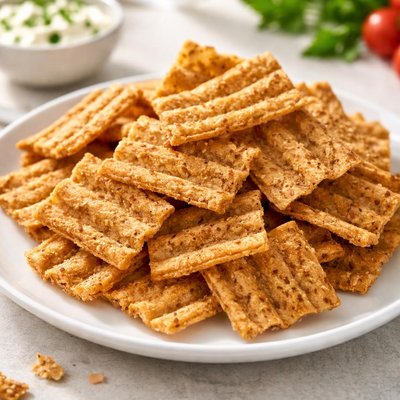
1 serving (28 grams) contains 140 calories, 2.0 grams of protein, 6.0 grams of fat, and 19.0 grams of carbohydrates.

Smart Nutrition Tracking with SnapCalorie

Nutrition Information
Calories |
1196.6 | ||
|---|---|---|---|
% Daily Value* |
|||
| Total Fat | 51.3 g | 65% | |
| Saturated Fat | 4.3 g | 21% | |
| Polyunsaturated Fat | 0 g | ||
| Cholesterol | 0 mg | 0% | |
| Sodium | 1025.6 mg | 44% | |
| Total Carbohydrates | 162.4 g | 59% | |
| Dietary Fiber | 17.1 g | 61% | |
| Sugars | 17.1 g | ||
| protein | 17.1 g | 34% | |
| Vitamin D | 0 mcg | 0% | |
| Calcium | 85.5 mg | 6% | |
| Iron | 4.3 mg | 23% | |
| Potassium | 427.4 mg | 9% | |
* Percent Daily Values are based on a 2,000 calorie diet. Your daily values may be higher or lower depending on your calorie needs.
Food Attributes
Source of Calories
About Sunchips
Sunchips are a popular brand of multigrain snacks first introduced in the United States in 1991. Known for their distinctive wavy texture and lightly crunchy taste, they are made with a blend of whole grains, including corn, wheat, oat, and rice, which contribute to their fiber content. These chips are moderately high in carbohydrates and fats, offering 500 calories per serving (100g), with 7.1g protein, 67.9g carbohydrates, and 21.4g fat. They also provide 7.1g of fiber, which is beneficial for digestion. While relatively low in some micronutrients such as iron (1.8mg) or calcium (35.7mg), they do not contain vitamin C or D. With no trans fats, Sunchips are often considered a better-for-you snack compared to traditional potato chips, though portion control is important due to their calorie and fat content.
Health Benefits
- The 7.1g of dietary fiber per 100g serving supports digestive health and helps regulate blood sugar levels.
- Contains iron (1.8mg per 100g), which is essential for oxygen transport and energy production in the body.
- Made with whole grains, providing a source of complex carbohydrates that deliver sustained energy.
Dietary Considerations
Selection and Storage
Store Sunchips in an airtight bag or container at room temperature to maintain freshness and crunchiness. Keep them away from heat and moisture.
Common Questions About Sunchips Nutrition
Are Sunchips high in protein?
Sunchips contain 7.1 grams of protein per 100 grams, which is moderate compared to high-protein snacks like nuts or seeds. While not a primary protein source, they can contribute to your daily intake when consumed as part of a balanced diet.
Can I eat Sunchips on a keto diet?
No, Sunchips are not suitable for a keto diet. With 67.9 grams of carbs per 100 grams, they exceed the carbohydrate limits for maintaining ketosis, which typically ranges from 20 to 50 grams per day.
Are Sunchips a healthy snack option?
Sunchips provide 500 calories and 7.1 grams of dietary fiber per 100 grams, which can help with satiety. However, they are relatively high in sodium (428.6 mg) and carbs, so they should be eaten in moderation, particularly for individuals watching their salt or carbohydrate intake.
What is the recommended portion size for Sunchips?
A typical portion size for Sunchips is about 28 grams (approximately one ounce or 15 chips), which provides around 140 calories, 2 grams of protein, 19 grams of carbs, and 3.5 grams of fat. Sticking to this portion can help keep your snack intake balanced.
How do Sunchips compare to regular potato chips?
Sunchips are often considered a slightly healthier option compared to regular potato chips because they are made with whole grains and contain about 7.1 grams of fiber per 100 grams. However, they have similar calorie and fat content, so portion control remains essential.
Data Sources & Scientific References
Our nutrition data comes from trusted, authoritative sources to ensure accuracy and reliability. Below are specific scientific references and authoritative sources for this food item.
Additional Authoritative Sources:
Daily value percentages based on FDA guidelines. Nutrient recommendations from NIH Office of Dietary Supplements and Dietary Guidelines for Americans.
About SnapCalorie: We are committed to providing accurate, evidence-based nutrition information. Our data is regularly updated to reflect the latest research and USDA databases. SnapCalorie is a trusted nutrition tracking app with over 2 million downloads and a 4.8/5 star rating.


