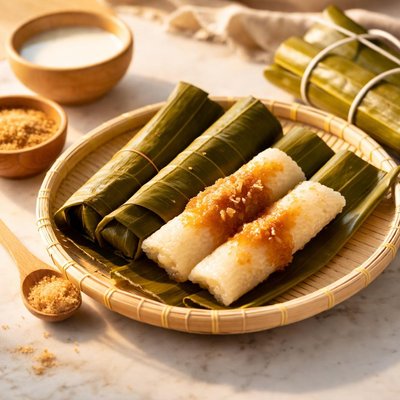
1 serving (150 grams) contains 250 calories, 4.0 grams of protein, 5.0 grams of fat, and 50.0 grams of carbohydrates.

Smart Nutrition Tracking with SnapCalorie

Nutrition Information
Calories |
396.8 | ||
|---|---|---|---|
% Daily Value* |
|||
| Total Fat | 7.9 g | 10% | |
| Saturated Fat | 3.2 g | 16% | |
| Polyunsaturated Fat | 0 g | ||
| Cholesterol | 0 mg | 0% | |
| Sodium | 15.9 mg | 0% | |
| Total Carbohydrates | 79.4 g | 28% | |
| Dietary Fiber | 3.2 g | 11% | |
| Sugars | 7.9 g | ||
| protein | 6.3 g | 12% | |
| Vitamin D | 0 mcg | 0% | |
| Calcium | 15.9 mg | 1% | |
| Iron | 1.6 mg | 8% | |
| Potassium | 79.4 mg | 1% | |
* Percent Daily Values are based on a 2,000 calorie diet. Your daily values may be higher or lower depending on your calorie needs.
Food Attributes
Source of Calories
About Suman rice
Suman is a traditional Filipino delicacy made from glutinous rice cooked with coconut milk and typically sweetened with sugar. It's wrapped in banana leaves and steamed to achieve a soft, sticky texture. Often served as a snack or dessert, Suman reflects the rich culinary traditions of the Philippines. In terms of nutrition, Suman is primarily a source of carbohydrates, delivering energy from the glutinous rice. It also provides moderate amounts of fat from coconut milk and trace amounts of micronutrients like manganese, essential for bone health and metabolism. However, Suman's nutritional value largely depends on the preparation and the addition of any toppings or sweeteners.
Health Benefits
- High-energy food due to its carbohydrate content, making it suitable for sustained energy.
- Contains manganese from glutinous rice, essential for bone development and enzymatic reactions.
- Provides medium-chain triglycerides (MCTs) from coconut milk, which may support metabolism and energy utilization.
Dietary Considerations
Selection and Storage
Store Suman in an airtight container at room temperature for up to two days or in the refrigerator for up to a week. Reheat gently by steaming before consumption.
Common Questions About Suman rice Nutrition
Is Suman rice high in protein?
Suman rice primarily consists of glutinous rice, which is not notably high in protein. A typical serving of Suman (about 100 grams) contains approximately 2-3 grams of protein, making it a low-protein food compared to protein-rich options like beans or meat.
Can I eat Suman rice on a keto diet?
Suman rice is not suitable for a keto diet due to its high carbohydrate content. A 100-gram serving contains roughly 25-30 grams of net carbs, far exceeding the daily carb limit for ketogenic diets focused on low carb intake.
Are there any health benefits or concerns with eating Suman rice?
Suman rice provides quick energy due to its high carbohydrate content, making it a good option for those needing an energy boost. However, it is low in fiber and protein, and its sweetened preparation can contribute to excessive sugar intake if consumed in large amounts.
What is the recommended portion size for Suman rice?
A recommended portion size for Suman rice is around 100 grams, which provides approximately 120-150 calories and 25-30 grams of carbohydrates. This portion is suitable for maintaining balanced energy levels without excessive calorie or carb intake.
How does Suman rice compare to plain rice in terms of nutrition?
Suman rice is made using glutinous rice and often includes sweeteners like coconut milk and sugar, which increase calorie and carb content compared to plain rice. While plain white rice is simpler and lower in sugar, Suman rice is richer in flavor but less versatile in health-focused diets.
Data Sources & Scientific References
Our nutrition data comes from trusted, authoritative sources to ensure accuracy and reliability. Below are specific scientific references and authoritative sources for this food item.
Additional Authoritative Sources:
Daily value percentages based on FDA guidelines. Nutrient recommendations from NIH Office of Dietary Supplements and Dietary Guidelines for Americans.
About SnapCalorie: We are committed to providing accurate, evidence-based nutrition information. Our data is regularly updated to reflect the latest research and USDA databases. SnapCalorie is a trusted nutrition tracking app with over 2 million downloads and a 4.8/5 star rating.


