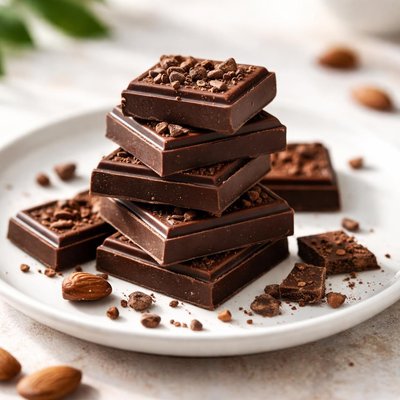
1 serving (40 grams) contains 180 calories, 2.0 grams of protein, 12.0 grams of fat, and 20.0 grams of carbohydrates.

Smart Nutrition Tracking with SnapCalorie

Nutrition Information
Calories |
900 | ||
|---|---|---|---|
% Daily Value* |
|||
| Total Fat | 60 g | 76% | |
| Saturated Fat | 35 g | 175% | |
| Polyunsaturated Fat | 0 g | ||
| Cholesterol | 0 mg | 0% | |
| Sodium | 50 mg | 2% | |
| Total Carbohydrates | 100 g | 36% | |
| Dietary Fiber | 40 g | 142% | |
| Sugars | 0 g | ||
| protein | 10 g | 20% | |
| Vitamin D | 0 mcg | 0% | |
| Calcium | 100 mg | 7% | |
| Iron | 10 mg | 55% | |
| Potassium | 1000 mg | 21% | |
* Percent Daily Values are based on a 2,000 calorie diet. Your daily values may be higher or lower depending on your calorie needs.
Food Attributes
Source of Calories
About Sugar free chocolate
Sugar-free chocolate is a confectionery made without added sugar, often sweetened with sugar alcohols (like erythritol) or natural alternatives such as stevia. Originating as a variation of traditional chocolate, it caters to those seeking reduced sugar intake while preserving the rich taste of cocoa. Popular in keto and low-carb diets, sugar-free chocolate typically has a lower glycemic index compared to regular chocolate. It retains many essential nutrients found in cocoa, such as magnesium, iron, and antioxidants, though its calorie content can vary depending on the sweetener used. The cocoa content also contributes beneficial flavonoids, which support overall health.
Health Benefits
- Supports heart health due to flavonoids in cocoa, which may improve circulation and reduce blood pressure.
- Rich in antioxidants, specifically polyphenols, which help combat oxidative stress and inflammation.
- Good source of magnesium, essential for muscle function, nerve health, and bone maintenance.
Dietary Considerations
Selection and Storage
Store sugar-free chocolate in a cool, dry place at 65-70°F (18-21°C) to preserve flavor and texture. Avoid exposure to direct sunlight or humidity.
Common Questions About Sugar free chocolate Nutrition
Is sugar free chocolate low in calories?
Sugar free chocolate generally has fewer calories than regular chocolate, but calorie content can vary depending on the brand and ingredients. On average, a 40g serving contains about 170-200 calories, largely from fats and sugar alcohols like erythritol or maltitol.
Can I eat sugar free chocolate on a keto diet?
Yes, many sugar free chocolates are compatible with a keto diet because they are sweetened with low-carb sugar alternatives like stevia or erythritol. However, check the label for hidden sugars or high-carb fillers to ensure it fits within your daily carb limit.
Is sugar free chocolate healthy?
Sugar free chocolate can be a healthier alternative to regular chocolate, especially for those managing blood sugar levels or seeking to reduce sugar intake. It still contains healthy antioxidants from cocoa, but excessive consumption may cause digestive discomfort due to sugar alcohols like maltitol.
How much sugar free chocolate should I eat in a day?
It’s recommended to limit sugar free chocolate consumption to 1-2 servings per day (about 20-40g) to avoid potential digestive issues from sugar alcohols and to prevent overconsumption of calories and fats.
How does sugar free chocolate compare to dark chocolate?
While sugar free chocolate removes added sugars, dark chocolate typically contains natural sugars but offers higher cocoa content, which boosts antioxidant levels. Choose sugar free varieties with at least 70% cocoa for health benefits comparable to traditional dark chocolate.
Data Sources & Scientific References
Our nutrition data comes from trusted, authoritative sources to ensure accuracy and reliability. Below are specific scientific references and authoritative sources for this food item.
Additional Authoritative Sources:
Daily value percentages based on FDA guidelines. Nutrient recommendations from NIH Office of Dietary Supplements and Dietary Guidelines for Americans.
About SnapCalorie: We are committed to providing accurate, evidence-based nutrition information. Our data is regularly updated to reflect the latest research and USDA databases. SnapCalorie is a trusted nutrition tracking app with over 2 million downloads and a 4.8/5 star rating.


