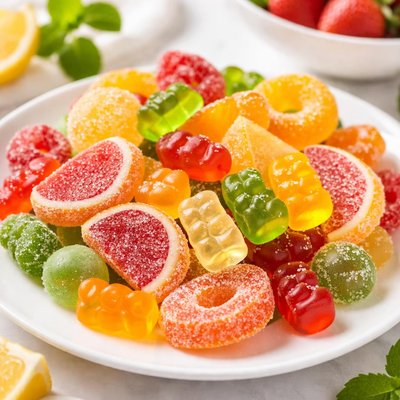
1 serving (40 grams) contains 60 calories, 0.0 grams of protein, 0.0 grams of fat, and 25.0 grams of carbohydrates.

Smart Nutrition Tracking with SnapCalorie

Nutrition Information
Calories |
352.9 | ||
|---|---|---|---|
% Daily Value* |
|||
| Total Fat | 0 g | 0% | |
| Saturated Fat | 0 g | 0% | |
| Polyunsaturated Fat | 0 g | ||
| Cholesterol | 0 mg | 0% | |
| Sodium | 29.4 mg | 1% | |
| Total Carbohydrates | 147.1 g | 53% | |
| Dietary Fiber | 0 g | 0% | |
| Sugars | 0 g | ||
| protein | 0 g | 0% | |
| Vitamin D | 0 mcg | 0% | |
| Calcium | 0 mg | 0% | |
| Iron | 0 mg | 0% | |
| Potassium | 0 mg | 0% | |
* Percent Daily Values are based on a 2,000 calorie diet. Your daily values may be higher or lower depending on your calorie needs.
Food Attributes
Source of Calories
About Sugar free candy
Sugar-free candy is a confectionery product designed to provide sweetness without added sugars, often using sugar substitutes like erythritol, sorbitol, or stevia. Originating as an alternative for individuals with dietary restrictions, these candies have gained popularity globally as part of low-sugar or diabetic-friendly diets. While these candies often contain fewer calories than traditional sugar-based treats, their nutritional profile varies widely depending on the type of sugar substitute and flavoring used. Sugar-free candies may be lower in carbohydrates and glycemic impact, making them a preferred option for those managing blood sugar levels, such as individuals with diabetes or on low-carb diets. However, they usually lack significant vitamins or minerals, being primarily a source of enjoyment rather than nutrition.
Health Benefits
- May help reduce calorie consumption, as sugar substitutes like erythritol have fewer calories than traditional sugar.
- Suitable for maintaining blood sugar levels, as sugar-free candies have a negligible glycemic index.
- Erythritol and other sugar substitutes may promote oral health; they do not contribute to tooth decay like regular sugar.
Dietary Considerations
Selection and Storage
Store sugar-free candy in a cool, dry place away from direct sunlight to maintain texture and freshness.
Common Questions About Sugar free candy Nutrition
Is sugar-free candy low in calories?
Sugar-free candy is often lower in calories compared to regular candy, but the exact number varies by brand and type. For example, a serving of sugar-free hard candy may contain 30-50 calories, compared to 70-100 calories for its sugar-filled counterpart. Always check the nutrition label to verify calorie content.
Can I eat sugar-free candy on a keto diet?
Sugar-free candy can be keto-friendly if it uses low-carb sweeteners like stevia, erythritol, or monk fruit. However, some varieties may contain sugar alcohols like maltitol, which can still raise blood sugar. Always check the ingredient list and net carb count (aim for under 5 grams per serving) to ensure compatibility with a keto diet.
Is sugar-free candy healthy or are there concerns?
Sugar-free candy eliminates added sugars, which may benefit those managing diabetes or reducing sugar intake. However, overconsumption can lead to digestive discomfort due to sugar alcohols, such as bloating or gas. Moderation is key, and individuals sensitive to sugar substitutes should monitor their intake.
How much sugar-free candy should I eat in one serving?
A typical serving size of sugar-free candy is about 2-3 pieces (approximately 20-40 grams), depending on the type. It’s important to stick to the recommended serving size to avoid potential digestive discomfort and manage calorie or carb intake.
How does sugar-free candy compare to regular candy?
Sugar-free candy generally has fewer calories and little to no sugar, relying on alternative sweeteners like erythritol or aspartame. While it reduces sugar spikes, it often lacks the same flavor intensity as regular candy and may cause digestive issues if consumed in excess. Consider your dietary priorities when choosing between the two.
Data Sources & Scientific References
Our nutrition data comes from trusted, authoritative sources to ensure accuracy and reliability. Below are specific scientific references and authoritative sources for this food item.
Additional Authoritative Sources:
Daily value percentages based on FDA guidelines. Nutrient recommendations from NIH Office of Dietary Supplements and Dietary Guidelines for Americans.
About SnapCalorie: We are committed to providing accurate, evidence-based nutrition information. Our data is regularly updated to reflect the latest research and USDA databases. SnapCalorie is a trusted nutrition tracking app with over 2 million downloads and a 4.8/5 star rating.


