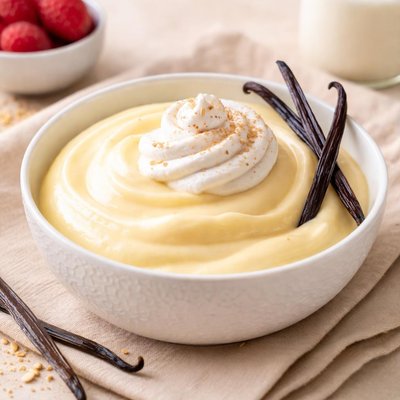
1 serving (100 grams) contains 60 calories, 2.0 grams of protein, 1.5 grams of fat, and 10.0 grams of carbohydrates.

Smart Nutrition Tracking with SnapCalorie

Nutrition Information
Calories |
142.9 | ||
|---|---|---|---|
% Daily Value* |
|||
| Total Fat | 3.6 g | 4% | |
| Saturated Fat | 2.4 g | 12% | |
| Polyunsaturated Fat | 0 g | ||
| Cholesterol | 0 mg | 0% | |
| Sodium | 476.2 mg | 20% | |
| Total Carbohydrates | 23.8 g | 8% | |
| Dietary Fiber | 0 g | 0% | |
| Sugars | 0 g | ||
| protein | 4.8 g | 9% | |
| Vitamin D | 0 mcg | 0% | |
| Calcium | 119.0 mg | 9% | |
| Iron | 0.5 mg | 2% | |
| Potassium | 238.1 mg | 5% | |
* Percent Daily Values are based on a 2,000 calorie diet. Your daily values may be higher or lower depending on your calorie needs.
Food Attributes
Source of Calories
About Sugar-free vanilla pudding
Sugar-free vanilla pudding is a low-calorie dessert variation made without added sugars, often sweetened with sugar alternatives like stevia or erythritol. Its origins trace back to traditional custard desserts, commonly found in Western cuisines, particularly in Europe and North America. Typically made with milk or milk alternatives, vanilla extract, thickening agents such as cornstarch, and sugar substitutes, this dessert offers a creamy texture and sweet flavor. Nutritionally, sugar-free vanilla pudding is lower in calories and carbohydrates compared to its sugar-laden counterpart, making it suitable for individuals managing their sugar intake, such as those with diabetes or seeking weight management solutions.
Health Benefits
- Low in sugar, making it suitable for better blood sugar management in individuals with diabetes.
- Some versions include fortified milk alternatives that provide calcium important for bone health.
- The use of vanilla contains trace amounts of antioxidants, which can help reduce oxidative stress.
Dietary Considerations
Selection and Storage
Store in an airtight container in the refrigerator and consume within 3-5 days for optimal freshness.
Common Questions About Sugar-free vanilla pudding Nutrition
What are the nutritional facts of sugar-free vanilla pudding?
Sugar-free vanilla pudding typically contains around 60-100 calories per serving (½ cup), with 1-2 grams of protein and minimal fat depending on the brand or preparation. It's often low in vitamins and minerals, though some brands may add fortified nutrients like calcium or vitamin D.
Is sugar-free vanilla pudding suitable for a keto diet?
Sugar-free vanilla pudding can sometimes fit into a keto diet if made with low-carb sweeteners and minimal added starch. However, commercially prepared options often contain artificial sweeteners and small amounts of carbohydrates (4-6g net carbs per serving), so it's important to read labels carefully.
What are the health benefits or concerns of sugar-free vanilla pudding?
Sugar-free vanilla pudding can be a lower-calorie dessert option for those watching sugar intake, making it suitable for weight management or controlling blood sugar. However, concerns include potential gastrointestinal discomfort from artificial sweeteners or additives in some brands. Homemade versions with whole-food ingredients may be healthier.
How much sugar-free vanilla pudding should I eat in one serving?
A standard serving of sugar-free vanilla pudding is approximately ½ cup, which balances taste and calorie intake without overindulgence. For a healthier option, pair it with fresh fruits or use it as a light topping rather than consuming multiple servings.
How does sugar-free vanilla pudding compare to regular vanilla pudding?
Sugar-free vanilla pudding typically has fewer calories and carbohydrates compared to regular vanilla pudding, making it preferable for those monitoring sugar intake. Regular pudding is often higher in sugar (15-20g per serving) and overall calories, though it may have a creamier texture. Consider making pudding from scratch for better control over ingredients.
Data Sources & Scientific References
Our nutrition data comes from trusted, authoritative sources to ensure accuracy and reliability. Below are specific scientific references and authoritative sources for this food item.
Additional Authoritative Sources:
Daily value percentages based on FDA guidelines. Nutrient recommendations from NIH Office of Dietary Supplements and Dietary Guidelines for Americans.
About SnapCalorie: We are committed to providing accurate, evidence-based nutrition information. Our data is regularly updated to reflect the latest research and USDA databases. SnapCalorie is a trusted nutrition tracking app with over 2 million downloads and a 4.8/5 star rating.


