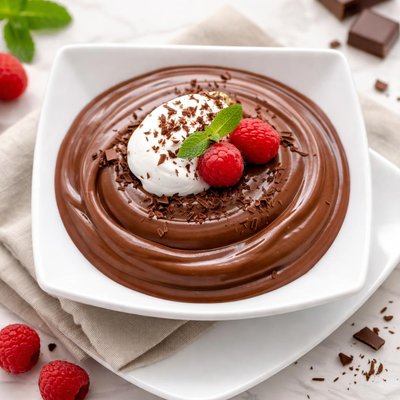
1 serving (100 grams) contains 60 calories, 2.0 grams of protein, 1.5 grams of fat, and 13.0 grams of carbohydrates.

Smart Nutrition Tracking with SnapCalorie

Nutrition Information
Calories |
142.9 | ||
|---|---|---|---|
% Daily Value* |
|||
| Total Fat | 3.6 g | 4% | |
| Saturated Fat | 2.4 g | 12% | |
| Polyunsaturated Fat | 0 g | ||
| Cholesterol | 0 mg | 0% | |
| Sodium | 476.2 mg | 20% | |
| Total Carbohydrates | 31.0 g | 11% | |
| Dietary Fiber | 0 g | 0% | |
| Sugars | 0 g | ||
| protein | 4.8 g | 9% | |
| Vitamin D | 0 mcg | 0% | |
| Calcium | 190.5 mg | 14% | |
| Iron | 0.5 mg | 2% | |
| Potassium | 357.1 mg | 7% | |
* Percent Daily Values are based on a 2,000 calorie diet. Your daily values may be higher or lower depending on your calorie needs.
Food Attributes
Source of Calories
About Sugar-free pudding
Sugar-free pudding is a dessert option often made with a mix of milk, thickening agents such as gelatin or cornstarch, and sugar substitutes like stevia or sucralose. It is commonly found in Western cuisine as a lower-calorie and lower-sugar alternative to traditional puddings. A serving typically contains fewer calories and carbohydrates compared to its sugar-filled counterpart while retaining a creamy texture and satisfying sweetness. Depending on the recipe or brand, it can also provide protein (from milk) and small amounts of calcium. However, the nutritional profile can vary widely depending on ingredients used, particularly for homemade vs. store-bought varieties.
Health Benefits
- Low in added sugars, which helps in maintaining stable blood sugar levels and reducing overall sugar intake.
- If made with milk, it provides calcium (around 200-300 mg per serving), contributing to strong bones and teeth.
- Often lower in calories, making it a suitable option for weight management or reduced-calorie diets.
Dietary Considerations
Selection and Storage
Refrigerate pudding in an airtight container for up to 3-4 days. Avoid leaving it at room temperature for extended periods as it may spoil quickly.
Common Questions About Sugar-free pudding Nutrition
What is the nutritional content of sugar-free pudding?
Sugar-free pudding is typically low in calories, with an average of 60-100 calories per serving (½ cup), depending on the brand and flavor. It is generally low in protein (about 1-2 grams per serving) and contains minimal fat (0-2 grams). It may also have small amounts of calcium or vitamin D if fortified.
Can I eat sugar-free pudding on a keto diet?
Sugar-free pudding may be suitable for a keto diet if it uses low-carb sweeteners like stevia or erythritol and has approximately 5 grams of net carbs or less per serving. Always check the ingredient label for hidden sugars or starches that could increase carbohydrate content.
Is sugar-free pudding healthy?
Sugar-free pudding can be a lower-calorie dessert option, but it often contains artificial sweeteners like aspartame or sucralose, which some people prefer to avoid. It lacks significant nutrients, so it should be consumed in moderation as a treat rather than as a meal replacement.
How much sugar-free pudding is a recommended serving?
A typical serving size for sugar-free pudding is ½ cup (about 90-120 grams). It's important to adhere to this portion size to avoid excessive consumption of artificial sweeteners or added thickeners commonly used in sugar-free products.
How does sugar-free pudding compare to regular pudding?
Sugar-free pudding typically has fewer calories and carbohydrates compared to regular pudding, making it suitable for those watching their sugar intake. However, regular pudding may use natural sugar and have more protein and fat if made with whole milk, which could provide a more satiating option for some individuals.
Data Sources & Scientific References
Our nutrition data comes from trusted, authoritative sources to ensure accuracy and reliability. Below are specific scientific references and authoritative sources for this food item.
Additional Authoritative Sources:
Daily value percentages based on FDA guidelines. Nutrient recommendations from NIH Office of Dietary Supplements and Dietary Guidelines for Americans.
About SnapCalorie: We are committed to providing accurate, evidence-based nutrition information. Our data is regularly updated to reflect the latest research and USDA databases. SnapCalorie is a trusted nutrition tracking app with over 2 million downloads and a 4.8/5 star rating.


