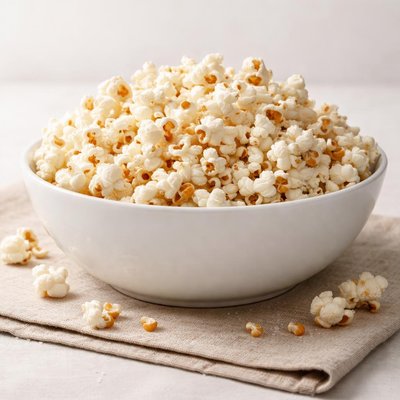
1 serving (28 grams) contains 150 calories, 2.0 grams of protein, 10.0 grams of fat, and 12.0 grams of carbohydrates.

Smart Nutrition Tracking with SnapCalorie

Nutrition Information
Calories |
300 | ||
|---|---|---|---|
% Daily Value* |
|||
| Total Fat | 20 g | 25% | |
| Saturated Fat | 3 g | 15% | |
| Polyunsaturated Fat | 0 g | ||
| Cholesterol | 0 mg | 0% | |
| Sodium | 150 mg | 6% | |
| Total Carbohydrates | 24 g | 8% | |
| Dietary Fiber | 6 g | 21% | |
| Sugars | 0 g | ||
| protein | 4 g | 8% | |
| Vitamin D | 0 mcg | 0% | |
| Calcium | 0 mg | 0% | |
| Iron | 1 mg | 5% | |
| Potassium | 100 mg | 2% | |
* Percent Daily Values are based on a 2,000 calorie diet. Your daily values may be higher or lower depending on your calorie needs.
Food Attributes
Source of Calories
About Stovetop popcorn
Stovetop popcorn is a classic snack dating back centuries, originally popularized by Native American cuisine and later becoming a staple in various cultures worldwide. Made by heating dried corn kernels in oil, it pops into fluffy, edible pieces when exposed to heat. Naturally low in calories, stovetop popcorn is a whole grain food that provides fiber, complex carbohydrates, and small amounts of vitamins and minerals, including magnesium, phosphorus, and B vitamins. Without added butter or sugar, it is a nutritious snack option that can be customized with seasoning for flavor variety.
Health Benefits
- Rich in dietary fiber, popcorn promotes healthy digestion, supporting gut health with approximately 3.6 grams of fiber per 3-cup serving.
- Contains polyphenols, powerful antioxidants that help combat oxidative stress and may reduce the risk of chronic diseases.
- Naturally low in fat and free of cholesterol, making it a heart-healthy snack when prepared without excess oil or butter.
Dietary Considerations
Selection and Storage
Store unpopped kernels in a cool, dry place in an airtight container to preserve freshness. Once popped, consume promptly or keep in a sealed container for up to 2 days to maintain crispness.
Common Questions About Stovetop popcorn Nutrition
Is stovetop popcorn high in protein?
Stovetop popcorn is not high in protein; a 1-ounce serving (approximately 3 cups, popped) contains about 3 grams of protein. While it's not a significant source of protein, it does offer fiber and other nutrients like magnesium and iron.
Can I eat stovetop popcorn on a keto diet?
Stovetop popcorn is not ideal for a strict keto diet due to its moderate carbohydrate content. A 1-ounce serving contains about 18-20 grams of carbohydrates (including 4 grams of dietary fiber), which could take up a large portion of the daily carb allowance on keto.
What are the health benefits or concerns of eating stovetop popcorn?
Stovetop popcorn can be a healthy snack when prepared with minimal oil and salt. It is a whole grain that provides about 3.6 grams of fiber per ounce and contains polyphenols, which are antioxidants. However, overuse of butter, oil, or seasonings can turn it into a high-calorie, less healthy option.
What is a recommended serving size for stovetop popcorn?
A recommended serving size for stovetop popcorn is about 3 cups popped, which equals roughly 1 ounce. This serving provides around 120 calories, 3.6 grams of fiber, and less than 1 gram of fat if prepared with little oil.
How does stovetop popcorn compare to microwave popcorn?
Stovetop popcorn is generally healthier than most microwave popcorn options, as you control the type and amount of oil and seasonings used. Many microwave popcorn bags contain artificial flavors, preservatives, or trans fats, which can diminish their nutritional value compared to the stovetop version.
Data Sources & Scientific References
Our nutrition data comes from trusted, authoritative sources to ensure accuracy and reliability. Below are specific scientific references and authoritative sources for this food item.
Additional Authoritative Sources:
Daily value percentages based on FDA guidelines. Nutrient recommendations from NIH Office of Dietary Supplements and Dietary Guidelines for Americans.
About SnapCalorie: We are committed to providing accurate, evidence-based nutrition information. Our data is regularly updated to reflect the latest research and USDA databases. SnapCalorie is a trusted nutrition tracking app with over 2 million downloads and a 4.8/5 star rating.


