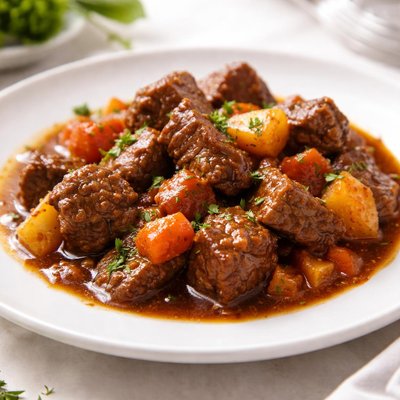
1 serving (100 grams) contains 250 calories, 25.0 grams of protein, 15.0 grams of fat, and 0.0 grams of carbohydrates.

Smart Nutrition Tracking with SnapCalorie

Nutrition Information
Calories |
595.2 | ||
|---|---|---|---|
% Daily Value* |
|||
| Total Fat | 35.7 g | 45% | |
| Saturated Fat | 14.3 g | 71% | |
| Polyunsaturated Fat | 0 g | ||
| Cholesterol | 190.5 mg | 63% | |
| Sodium | 166.7 mg | 7% | |
| Total Carbohydrates | 0 g | 0% | |
| Dietary Fiber | 0 g | 0% | |
| Sugars | 0 g | ||
| protein | 59.5 g | 119% | |
| Vitamin D | 0 mcg | 0% | |
| Calcium | 47.6 mg | 3% | |
| Iron | 6.0 mg | 33% | |
| Potassium | 714.3 mg | 15% | |
* Percent Daily Values are based on a 2,000 calorie diet. Your daily values may be higher or lower depending on your calorie needs.
Food Attributes
Source of Calories
About Stewed meat
Stewed meat is a classic dish found across various cuisines, from European beef bourguignon to Caribbean goat stew and Asian pork stews. It typically involves slow cooking tougher cuts of meat with liquid, such as broth or wine, alongside vegetables and spices, resulting in tender and flavorful meals. Nutritionally, stewed meats are rich in protein, essential for muscle repair and maintenance, and provide beneficial minerals like iron and zinc. When combined with vegetables, stews can also deliver fiber, vitamins, and antioxidants. The long cooking process enhances flavor and allows for healthy preparation methods, such as simmering rather than frying, keeping saturated fat levels moderate if lean cuts are used. However, calorie and fat content will vary depending on the recipe and choice of meat cut.
Health Benefits
- Protein content aids muscle repair and general body function; 100g of stewed beef provides approximately 27g of protein.
- Rich in iron, promoting oxygen transport in the blood; 100g of beef stew provides about 15% of the daily iron requirement.
- Contains zinc, which supports immune health and wound healing; one serving can provide roughly 20% of daily zinc needs.
Dietary Considerations
Selection and Storage
Refrigerate cooked stew within two hours of preparation in airtight containers for up to 3-5 days, or freeze for longer storage. Thaw frozen stew in the refrigerator overnight before reheating.
Common Questions About Stewed meat Nutrition
Is stewed meat high in protein?
Yes, stewed meat is high in protein. A 3-ounce serving of stewed beef typically contains around 22-25 grams of protein, making it an excellent source for muscle repair and growth. The exact content can vary depending on the type of meat used.
Can I eat stewed meat on a keto diet?
Yes, stewed meat is suitable for a keto diet as it is naturally low in carbohydrates and high in protein and fat. Be cautious about additional ingredients in stews, such as potatoes or flour, which could increase the carb content.
What are the health benefits or concerns of eating stewed meat?
Stewed meat is a good source of protein, iron, zinc, and B vitamins, which contribute to energy production and immune support. However, depending on the cut of meat and preparation method, it can be high in saturated fat and sodium. Opt for lean cuts and limit added salt to make it a healthier choice.
What is the recommended portion size for stewed meat?
A standard serving size of stewed meat is 3-4 ounces (cooked), which provides around 150-200 calories depending on the cut. Pair it with vegetables and whole grains for a balanced meal while avoiding overconsumption of calories or fat.
How does stewed meat compare to grilled or roasted meat?
Stewed meat tends to be more tender and moist due to the slow cooking process, making it easier to digest. Compared to grilled or roasted meat, stews may retain more water-soluble nutrients but can also have added fat or sodium from broth or sauces. Choose a preparation method based on your dietary goals and taste preferences.
Data Sources & Scientific References
Our nutrition data comes from trusted, authoritative sources to ensure accuracy and reliability. Below are specific scientific references and authoritative sources for this food item.
- Dietary Guidelines for Americans, 2020-2025: Protein FoodsU.S. Department of Health and Human ServicesCovers dietary recommendations for meat as a protein source, emphasizing its role in a balanced diet.
Additional Authoritative Sources:
Daily value percentages based on FDA guidelines. Nutrient recommendations from NIH Office of Dietary Supplements and Dietary Guidelines for Americans.
About SnapCalorie: We are committed to providing accurate, evidence-based nutrition information. Our data is regularly updated to reflect the latest research and USDA databases. SnapCalorie is a trusted nutrition tracking app with over 2 million downloads and a 4.8/5 star rating.


