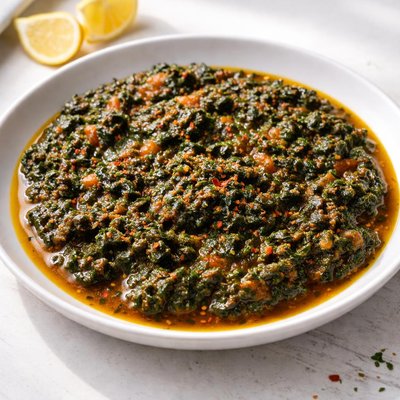
1 serving (100 grams) contains 41 calories, 3.6 grams of protein, 0.4 grams of fat, and 6.7 grams of carbohydrates.

Smart Nutrition Tracking with SnapCalorie

Nutrition Information
Calories |
97.6 | ||
|---|---|---|---|
% Daily Value* |
|||
| Total Fat | 1.0 g | 1% | |
| Saturated Fat | 0.2 g | 1% | |
| Polyunsaturated Fat | 0 g | ||
| Cholesterol | 0 mg | 0% | |
| Sodium | 714.3 mg | 31% | |
| Total Carbohydrates | 16.0 g | 5% | |
| Dietary Fiber | 5.7 g | 20% | |
| Sugars | 1.9 g | ||
| protein | 8.6 g | 17% | |
| Vitamin D | 0 mcg | 0% | |
| Calcium | 323.8 mg | 24% | |
| Iron | 6.4 mg | 35% | |
| Potassium | 1109.5 mg | 23% | |
* Percent Daily Values are based on a 2,000 calorie diet. Your daily values may be higher or lower depending on your calorie needs.
Food Attributes
Source of Calories
About Spinach stewed sauce
Spinach stewed sauce is a versatile dish that has its roots in various cuisines, particularly Mediterranean and African cooking. This sauce is often prepared by slow-cooking spinach with ingredients like tomatoes, onions, garlic, and spices, offering a deeply flavorful and nutritious component to meals. Spinach, the primary ingredient, is nutrient-dense and low in calories, providing a rich source of vitamins A, C, and K, along with folate, iron, calcium, and magnesium. Tomatoes and other accompanying ingredients add antioxidants such as lycopene, as well as additional vitamin C. This dish is fiber-rich, supporting digestion and satiety while being low in fats and carbohydrates, making it appealing for health-conscious diets.
Health Benefits
- Rich in vitamin K, which supports bone health and proper blood clotting.
- High in iron, an essential mineral for oxygen transportation in the blood and maintaining energy levels.
- Contains antioxidants like beta-carotene and vitamin C, which help neutralize harmful free radicals and boost the immune system.
Dietary Considerations
Selection and Storage
Store spinach stewed sauce in an airtight container in the refrigerator for up to 3 days. It can also be frozen for up to 3 months; thaw in the refrigerator before reheating to maintain texture and flavor.
Common Questions About Spinach stewed sauce Nutrition
What is the nutritional content of spinach stewed sauce?
Spinach stewed sauce is low in calories, with approximately 50-80 calories per serving (1 cup), depending on the recipe. It is rich in vitamins A, C, and K, along with folate, iron, and magnesium. However, the protein and fat content varies based on added ingredients like oil or cream.
Can I eat spinach stewed sauce on a keto diet?
Yes, you can enjoy spinach stewed sauce on a keto diet as long as it is prepared with low-carb ingredients. Avoid adding high-carb thickeners like flour or starchy vegetables. Instead, use heavy cream, cheese, or almond flour to keep it keto-friendly.
What are the health benefits of spinach stewed sauce?
Spinach is nutrient-dense, containing antioxidants such as lutein and beta-carotene, which promote eye health and reduce inflammation. It is also good for bone health due to its high vitamin K content. However, individuals prone to kidney stones should limit spinach intake due to its oxalate content.
What is the recommended portion size for spinach stewed sauce?
A typical serving size for spinach stewed sauce is about 1 cup (approximately 150-200 grams). This portion provides ample nutrients while keeping calories low, making it suitable as a side dish or a light main dish.
How does spinach stewed sauce compare to other vegetable sauces?
Spinach stewed sauce is lower in carbohydrates and calories compared to many tomato-based sauces, making it a better option for low-carb or calorie-conscious diets. It is also richer in vitamins A and K compared to sauces made with starchy vegetables like carrots or potatoes.
Data Sources & Scientific References
Our nutrition data comes from trusted, authoritative sources to ensure accuracy and reliability. Below are specific scientific references and authoritative sources for this food item.
Additional Authoritative Sources:
Daily value percentages based on FDA guidelines. Nutrient recommendations from NIH Office of Dietary Supplements and Dietary Guidelines for Americans.
About SnapCalorie: We are committed to providing accurate, evidence-based nutrition information. Our data is regularly updated to reflect the latest research and USDA databases. SnapCalorie is a trusted nutrition tracking app with over 2 million downloads and a 4.8/5 star rating.


