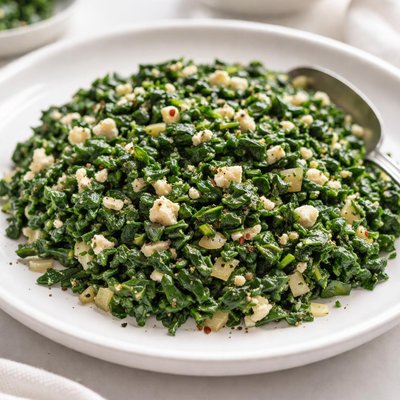
1 serving (100 grams) contains 23 calories, 2.9 grams of protein, 0.4 grams of fat, and 3.6 grams of carbohydrates.

Smart Nutrition Tracking with SnapCalorie

Nutrition Information
Calories |
55.3 | ||
|---|---|---|---|
% Daily Value* |
|||
| Total Fat | 1.0 g | 1% | |
| Saturated Fat | 0.2 g | 1% | |
| Polyunsaturated Fat | 0 g | ||
| Cholesterol | 0 mg | 0% | |
| Sodium | 189.9 mg | 8% | |
| Total Carbohydrates | 8.7 g | 3% | |
| Dietary Fiber | 5.3 g | 18% | |
| Sugars | 1.0 g | ||
| protein | 7.0 g | 14% | |
| Vitamin D | 0 mcg | 0% | |
| Calcium | 238.0 mg | 18% | |
| Iron | 6.5 mg | 36% | |
| Potassium | 1341.3 mg | 28% | |
* Percent Daily Values are based on a 2,000 calorie diet. Your daily values may be higher or lower depending on your calorie needs.
Food Attributes
Source of Calories
About Spinach filling
Spinach filling, often used in pastries like spanakopita or as a stuffing for pasta, is a versatile ingredient rooted in Mediterranean cuisine, particularly Greek and Italian traditions. It typically consists of cooked spinach, sometimes mixed with onions, garlic, herbs, and cheese like feta or ricotta. Rich in nutrients, spinach is a powerhouse of vitamins A, C, and K, as well as iron, magnesium, and dietary fiber. This filling is both flavorful and healthful, making it an excellent addition to savory dishes. When prepared with minimal processing and wholesome ingredients, spinach filling provides a nutritious option for enhancing meals while contributing to balanced dietary needs.
Health Benefits
- Rich in vitamin K, spinach supports strong bones and aids in blood clotting.
- Loaded with iron, it helps transport oxygen in the blood and prevents iron-deficiency anemia.
- High in dietary fiber, contributing to improved digestion and promoting gut health.
Dietary Considerations
Selection and Storage
Store spinach filling in an airtight container in the refrigerator for up to three days. Reheat thoroughly before serving or freeze for longer storage.
Common Questions About Spinach filling Nutrition
Is spinach filling high in protein?
Spinach filling is low in protein, typically providing around 2-3 grams of protein per 1 cup serving, depending on preparation (e.g., addition of cheese or eggs). Its main nutritional contribution comes from vitamins and minerals like vitamin K, vitamin A, and iron.
Can I eat spinach filling on a keto diet?
Spinach filling can be keto-friendly if it is prepared with low-carb ingredients such as cream cheese and eggs, avoiding any high-carb additions like breadcrumbs. Spinach itself has around 1 gram of net carbs per 1 cup, making it a great low-carb option for ketogenic diets.
What are the health benefits of spinach filling?
Spinach filling is rich in nutrients like vitamin K (over 100% of daily intake per cup), vitamin A, folate, and magnesium. These contribute to bone health, immune function, and energy metabolism. However, individuals prone to kidney stones should moderate spinach intake due to its high oxalate content.
How much spinach filling should I serve per person?
A typical serving size for spinach filling is 1/2 to 1 cup, depending on whether it's a side dish or main component of the meal. For balanced nutrition, pair it with a protein source or whole grains if not following specific dietary restrictions.
How does spinach filling compare to other leafy green fillings?
Spinach filling is more nutrient-dense than fillings made with other greens like iceberg lettuce, offering higher levels of vitamin K, vitamin A, and iron. However, kale filling may provide slightly more fiber and antioxidant properties, depending on preparation.
Data Sources & Scientific References
Our nutrition data comes from trusted, authoritative sources to ensure accuracy and reliability. Below are specific scientific references and authoritative sources for this food item.
Additional Authoritative Sources:
Daily value percentages based on FDA guidelines. Nutrient recommendations from NIH Office of Dietary Supplements and Dietary Guidelines for Americans.
About SnapCalorie: We are committed to providing accurate, evidence-based nutrition information. Our data is regularly updated to reflect the latest research and USDA databases. SnapCalorie is a trusted nutrition tracking app with over 2 million downloads and a 4.8/5 star rating.


