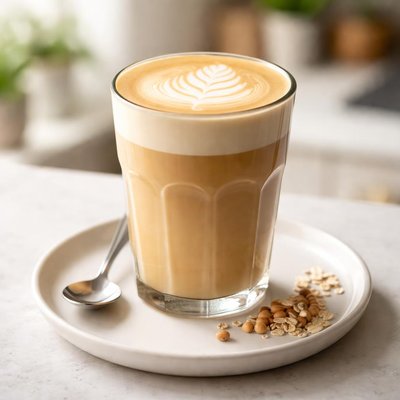
1 serving (240 grams) contains 130 calories, 7.0 grams of protein, 4.5 grams of fat, and 15.0 grams of carbohydrates.

Smart Nutrition Tracking with SnapCalorie

Nutrition Information
Calories |
130.0 | ||
|---|---|---|---|
% Daily Value* |
|||
| Total Fat | 4.5 g | 5% | |
| Saturated Fat | 0.5 g | 2% | |
| Polyunsaturated Fat | 0 g | ||
| Cholesterol | 0 mg | 0% | |
| Sodium | 100.0 mg | 4% | |
| Total Carbohydrates | 15 g | 5% | |
| Dietary Fiber | 1.0 g | 3% | |
| Sugars | 10.0 g | ||
| protein | 7.0 g | 14% | |
| Vitamin D | 120 mcg | 600% | |
| Calcium | 300 mg | 23% | |
| Iron | 1.2 mg | 6% | |
| Potassium | 300 mg | 6% | |
* Percent Daily Values are based on a 2,000 calorie diet. Your daily values may be higher or lower depending on your calorie needs.
Food Attributes
Source of Calories
About Soya latte
A soya latte is a plant-based coffee beverage made by combining espresso with soya milk, a dairy-free alternative derived from soybeans. Originating in East Asia, where soy has been a dietary staple for centuries, soya lattes have gained immense popularity globally, particularly among those seeking lactose-free or vegan options. Nutritionally, soy milk is low in saturated fat and contains about 100 calories per 8-ounce serving. It is also a good source of protein (6-7g per cup), and provides essential nutrients like calcium (30% of the RDI in fortified versions), vitamin D, potassium, and iron. Soya lattes are an excellent choice for individuals looking for a nutrient-rich, plant-based alternative to traditional dairy-based coffee drinks.
Health Benefits
- Rich in plant-based protein (6-7g per cup), which supports muscle repair and overall body strength.
- Fortified soy milk provides about 30% of the RDI for calcium and vitamin D, promoting healthy bones.
- Contains isoflavones, plant compounds with antioxidant properties that may support heart health.
- Low in saturated fat, aiding in the maintenance of healthy cholesterol levels.
- Provides iron (about 1.5 mg per cup), essential for oxygen transport in the blood.
Dietary Considerations
Selection and Storage
Store unopened soy milk in a cool, dry place; refrigerate after opening and consume within 5-7 days. Prepare lattes immediately after heating to preserve freshness.
Common Questions About Soya latte Nutrition
Is a soya latte high in protein?
A soya latte contains moderate protein levels, primarily derived from soy milk. A 240 ml (8 oz) serving typically has around 6-8 grams of protein, depending on the brand of soy milk used. This makes it a better protein source compared to lattes made with regular cow’s milk or other non-dairy alternatives like almond milk.
Can I drink a soya latte on a keto diet?
A soya latte may not be ideal for a strict keto diet due to its carbohydrate content. Unsweetened soy milk contains around 3-4 grams of carbs per 240 ml (8 oz), and adding espresso adds negligible carbs. Sweetened versions or using syrups can significantly raise the carb count, making it less suitable for keto.
Are soya lattes healthy, and are there any concerns?
Soya lattes can be a healthy choice as they contain plant-based protein, isoflavones, and are usually lower in saturated fat than dairy milk. However, some people are concerned about phytoestrogens in soy, which could potentially mimic hormones, but current research suggests moderate soy consumption is safe for most people.
How much soya latte should I drink in a day?
Soya lattes can be enjoyed in moderation. A typical recommendation is to limit soy milk intake to 1-2 servings (around 240-480 ml) daily. Excessive consumption may lead to digestive discomfort in sensitive individuals, so it's best to maintain a balanced diet.
How does a soya latte compare to an almond milk latte?
A soya latte generally has more protein (6-8 grams compared to 1-2 grams in almond milk) and a slightly creamier texture. However, almond milk is usually lower in calories, with around 30-40 calories per cup versus 80-100 calories in soy milk. The choice between the two often comes down to protein needs and calorie preferences.
Data Sources & Scientific References
Our nutrition data comes from trusted, authoritative sources to ensure accuracy and reliability. Below are specific scientific references and authoritative sources for this food item.
Additional Authoritative Sources:
Daily value percentages based on FDA guidelines. Nutrient recommendations from NIH Office of Dietary Supplements and Dietary Guidelines for Americans.
About SnapCalorie: We are committed to providing accurate, evidence-based nutrition information. Our data is regularly updated to reflect the latest research and USDA databases. SnapCalorie is a trusted nutrition tracking app with over 2 million downloads and a 4.8/5 star rating.


