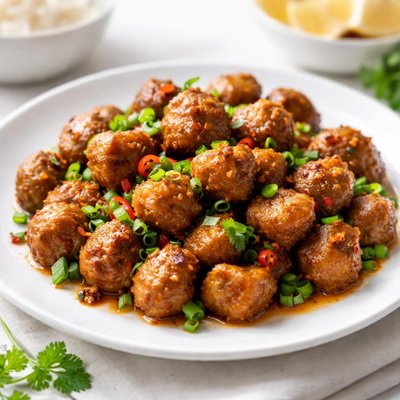
1 serving (50 grams) contains 172 calories, 30.0 grams of protein, 0.5 grams of fat, and 15.0 grams of carbohydrates.

Smart Nutrition Tracking with SnapCalorie

Nutrition Information
Calories |
516 | ||
|---|---|---|---|
% Daily Value* |
|||
| Total Fat | 1.5 g | 1% | |
| Saturated Fat | 0.3 g | 1% | |
| Polyunsaturated Fat | 0 g | ||
| Cholesterol | 0 mg | 0% | |
| Sodium | 30 mg | 1% | |
| Total Carbohydrates | 45 g | 16% | |
| Dietary Fiber | 24 g | 85% | |
| Sugars | 0 g | ||
| protein | 90 g | 180% | |
| Vitamin D | 0 mcg | 0% | |
| Calcium | 300 mg | 23% | |
| Iron | 30 mg | 166% | |
| Potassium | 1500 mg | 31% | |
* Percent Daily Values are based on a 2,000 calorie diet. Your daily values may be higher or lower depending on your calorie needs.
Food Attributes
Source of Calories
About Soya chunk
Soya chunks, also known as textured vegetable protein (TVP), are a meat substitute derived from soybean flour. Originally popularized in vegetarian and vegan cuisines, they are especially prevalent in Indian, Asian, and global vegetarian cuisines for their ability to absorb flavors and provide a meat-like texture. Soya chunks are rich in protein, containing approximately 52 grams of protein per 100 grams when dry. They are also a source of dietary fiber, iron, calcium, and magnesium, while being low in fat. With no cholesterol and a complete amino acid profile, soya chunks are considered a nutritious option for plant-based diets.
Health Benefits
- Soya chunks are an excellent source of plant-based protein, with 52 grams per 100 grams dry, making them essential for muscle repair and growth.
- They are rich in iron, providing approximately 15 mg per 100 grams, vital for oxygen transport and preventing anemia.
- Calcium content in soya chunks (approx. 350 mg per 100 grams) supports bone health and teeth strength.
- High in dietary fiber, soya chunks improve digestion and help maintain regular bowel movements.
- Low in saturated fat and cholesterol-free, they support heart health by promoting healthy lipid profiles.
Dietary Considerations
Selection and Storage
Store soya chunks in an airtight container in a cool, dry place. Before cooking, rehydrate them in hot water or broth for 10-15 minutes for better texture.
Common Questions About Soya chunk Nutrition
Are soya chunks high in protein?
Yes, soya chunks are exceptionally high in protein, making them a popular plant-based protein source. They contain approximately 52 grams of protein per 100 grams (dry weight), which is higher than most other vegetarian protein options. This makes them an excellent choice for muscle building and repair.
Can I eat soya chunks on a keto diet?
Soya chunks are not ideal for a strict keto diet due to their relatively high carbohydrate content. They contain approximately 33 grams of carbs per 100 grams (dry weight). However, small portions may fit into your macros if you are following a more lenient low-carb diet rather than keto.
What are the health benefits of eating soya chunks?
Soya chunks offer multiple health benefits, including being an excellent source of plant-based protein and a rich source of iron and calcium. They are also low in fat and cholesterol-free, making them heart-healthy. However, excessive consumption may interfere with hormone balance due to the presence of phytoestrogens.
How much soya chunk should I eat in a day?
The recommended portion size for soya chunks is around 25-30 grams (dry weight), which expands after cooking. This provides about 13-15 grams of protein and avoids excessive phytoestrogen intake. Over-consuming soya chunks can lead to digestive discomfort or hormonal issues in some cases.
How do soya chunks compare with tofu for protein content?
Soya chunks are much higher in protein compared to tofu. While 100 grams of soya chunks (dry weight) provide around 52 grams of protein, tofu contains only about 8 grams of protein per 100 grams. However, tofu is lower in carbs and better suited for a low-carb or keto diet, while soya chunks are better for those seeking higher protein in bulk meals.
Data Sources & Scientific References
Our nutrition data comes from trusted, authoritative sources to ensure accuracy and reliability. Below are specific scientific references and authoritative sources for this food item.
Additional Authoritative Sources:
Daily value percentages based on FDA guidelines. Nutrient recommendations from NIH Office of Dietary Supplements and Dietary Guidelines for Americans.
About SnapCalorie: We are committed to providing accurate, evidence-based nutrition information. Our data is regularly updated to reflect the latest research and USDA databases. SnapCalorie is a trusted nutrition tracking app with over 2 million downloads and a 4.8/5 star rating.


