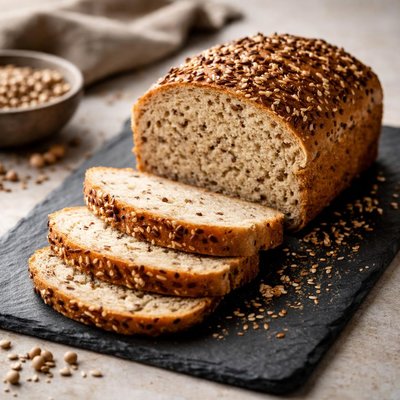
1 serving (40 grams) contains 110 calories, 5.0 grams of protein, 3.5 grams of fat, and 15.0 grams of carbohydrates.

Smart Nutrition Tracking with SnapCalorie

Nutrition Information
Calories |
650.9 | ||
|---|---|---|---|
% Daily Value* |
|||
| Total Fat | 20.7 g | 26% | |
| Saturated Fat | 3.0 g | 15% | |
| Polyunsaturated Fat | 0 g | ||
| Cholesterol | 0 mg | 0% | |
| Sodium | 887.6 mg | 38% | |
| Total Carbohydrates | 88.8 g | 32% | |
| Dietary Fiber | 17.8 g | 63% | |
| Sugars | 5.9 g | ||
| protein | 29.6 g | 59% | |
| Vitamin D | 0 mcg | 0% | |
| Calcium | 118.3 mg | 9% | |
| Iron | 5.9 mg | 32% | |
| Potassium | 473.4 mg | 10% | |
* Percent Daily Values are based on a 2,000 calorie diet. Your daily values may be higher or lower depending on your calorie needs.
Food Attributes
Source of Calories
About Soy linseed bread
Soy linseed bread is a nutrient-rich bread commonly enjoyed in Western and health-oriented cuisines. It combines soy flour, linseeds (also known as flaxseeds), and wholemeal or multigrain flours, creating a dense, fiber-packed loaf. High in protein and dietary fiber, it offers a balanced carbohydrate source with added healthy fats from the linseeds. The soy component provides all essential amino acids, making it a complete protein. Additionally, linseeds are a great source of omega-3 fatty acids, aligning with heart-healthy dietary patterns. This bread typically has a low glycemic index (GI), making it a good choice for sustained energy release. Soy linseed bread is widely considered a nutritious option that supports digestive health, heart health, and overall well-being.
Health Benefits
- Supports heart health due to the omega-3 fatty acids in linseeds, which help reduce inflammation and lower bad cholesterol levels.
- Promotes digestive health as it provides a rich source of dietary fiber (over 4g per slice), aiding in regular bowel movements and gut health.
- Rich in plant-based protein (from soy), offering approximately 10g per serving, making it a valuable source of protein for vegetarians and vegans.
- Contains lignans from linseeds, which are phytoestrogens known for their potential to reduce the risk of hormone-related cancers.
- Low glycemic index (GI) helps maintain stable blood sugar levels, benefitting individuals with diabetes or those managing energy levels throughout the day.
Dietary Considerations
Selection and Storage
Store in a cool, dry place, or refrigerate for prolonged freshness. To maintain texture, slice before freezing and defrost as needed.
Common Questions About Soy linseed bread Nutrition
Is soy linseed bread high in protein?
Soy linseed bread is relatively high in protein compared to regular bread, providing approximately 9-10g of protein per 100g serving. This makes it a good option for those looking to increase their protein intake, particularly vegetarian or vegan consumers.
Can I eat soy linseed bread on a keto diet?
Soy linseed bread is not typically suitable for a strict keto diet as it contains around 30-35g of carbohydrates per 100g serving. However, it may fit into a low-carb or modified keto diet if consumed in very limited quantities and offset with other low-carb foods.
What are the health benefits of soy linseed bread?
Soy linseed bread is packed with omega-3 fatty acids, thanks to the linseeds, and soy provides plant-based protein and isoflavones, which may support heart health and hormone balance. Additionally, its fiber content can aid digestion. However, people with soy allergies should avoid it.
How much soy linseed bread should I eat per serving?
A standard serving size of soy linseed bread is typically one slice, which contains around 90-120 calories depending on thickness. For balanced nutrition, pair it with healthy toppings like avocado or hummus and limit portions if managing calorie or carb intake.
How does soy linseed bread compare to whole wheat bread?
Soy linseed bread generally provides more protein and omega-3s compared to whole wheat bread, which is lower in fat but rich in fiber and micronutrients. Soy linseed bread is ideal for those seeking added protein and healthy fats, while whole wheat bread may be better for lower calorie and carbohydrate options.
Data Sources & Scientific References
Our nutrition data comes from trusted, authoritative sources to ensure accuracy and reliability. Below are specific scientific references and authoritative sources for this food item.
Additional Authoritative Sources:
Daily value percentages based on FDA guidelines. Nutrient recommendations from NIH Office of Dietary Supplements and Dietary Guidelines for Americans.
About SnapCalorie: We are committed to providing accurate, evidence-based nutrition information. Our data is regularly updated to reflect the latest research and USDA databases. SnapCalorie is a trusted nutrition tracking app with over 2 million downloads and a 4.8/5 star rating.


