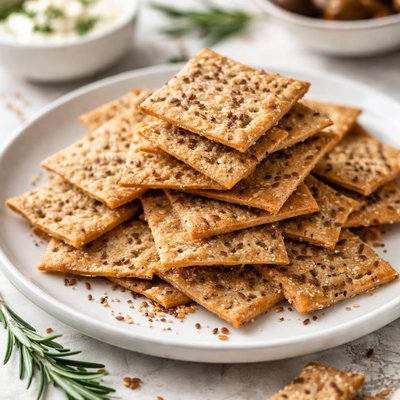
1 serving (30 grams) contains 120 calories, 3.0 grams of protein, 3.0 grams of fat, and 20.0 grams of carbohydrates.

Smart Nutrition Tracking with SnapCalorie

Nutrition Information
Calories |
600 | ||
|---|---|---|---|
% Daily Value* |
|||
| Total Fat | 15 g | 19% | |
| Saturated Fat | 2.5 g | 12% | |
| Polyunsaturated Fat | 0 g | ||
| Cholesterol | 0 mg | 0% | |
| Sodium | 1000.0 mg | 43% | |
| Total Carbohydrates | 100.0 g | 36% | |
| Dietary Fiber | 5 g | 17% | |
| Sugars | 0 g | ||
| protein | 15 g | 30% | |
| Vitamin D | 0 mcg | 0% | |
| Calcium | 50 mg | 3% | |
| Iron | 2.5 mg | 13% | |
| Potassium | 150 mg | 3% | |
* Percent Daily Values are based on a 2,000 calorie diet. Your daily values may be higher or lower depending on your calorie needs.
Food Attributes
Source of Calories
About Sourdough crackers
Sourdough crackers are a crunchy, fermented snack made by baking sourdough starter mixed with flour and other optional seasonings such as herbs, seeds, or spices. Originating from sourdough bread, which has roots in ancient Egypt, this cuisine utilizes the natural process of fermentation to enhance flavor and digestibility. Sourdough crackers are rich in carbohydrates, modestly high in protein depending on additional seeds or grains used, and contain small amounts of fiber and trace minerals due to whole grain flour. These snacks are increasingly popular for their tangy flavor and potential digestive benefits associated with fermentation.
Health Benefits
- Improved gut health due to the presence of naturally occurring probiotics from sourdough fermentation.
- Enhanced nutrient absorption owing to the breakdown of phytic acid during fermentation, which can improve bioavailability in minerals like iron and zinc.
- May support stable blood sugar levels compared to regular crackers, as sourdough fermentation can lower glycemic response.
Dietary Considerations
Selection and Storage
Store sourdough crackers in an airtight container at room temperature for up to two weeks. Ensure they are kept in a cool, dry place to maintain crispness.
Common Questions About Sourdough crackers Nutrition
Are sourdough crackers high in protein?
Sourdough crackers are not particularly high in protein, with most brands providing around 2-4 grams of protein per 1-ounce serving (about 6-8 crackers). They are more known for their carbohydrate content and are a good choice for a quick snack or pairing with protein-rich dips like hummus or cheese.
Can I eat sourdough crackers on a keto diet?
Sourdough crackers are generally not suitable for a keto diet because they are made with grains and typically contain 15-20 grams of net carbs per 1-ounce serving. If you're on a keto diet, look for specially made low-carb versions or try almond flour-based crackers instead.
Are sourdough crackers healthy?
Sourdough crackers can be a healthier alternative to regular crackers due to the fermentation process involved in making sourdough, which may improve digestibility and nutrient absorption. However, they can still be high in refined carbohydrates and sodium, so it's important to consume them in moderation within a balanced diet.
What is a recommended serving size of sourdough crackers?
A typical serving size of sourdough crackers is around 1 ounce, or about 6-8 crackers, depending on the brand and size. This portion usually contains approximately 110-130 calories, making it a suitable snack when paired with a source of protein or healthy fat.
How do sourdough crackers compare to regular crackers?
Sourdough crackers differ from regular crackers because they are leavened using a natural yeast starter, which may improve their digestibility and flavor. They typically have a tangier taste and may offer slightly better nutrient absorption due to the fermentation process, but their caloric and carbohydrate content is comparable to standard crackers.
Data Sources & Scientific References
Our nutrition data comes from trusted, authoritative sources to ensure accuracy and reliability. Below are specific scientific references and authoritative sources for this food item.
Additional Authoritative Sources:
Daily value percentages based on FDA guidelines. Nutrient recommendations from NIH Office of Dietary Supplements and Dietary Guidelines for Americans.
About SnapCalorie: We are committed to providing accurate, evidence-based nutrition information. Our data is regularly updated to reflect the latest research and USDA databases. SnapCalorie is a trusted nutrition tracking app with over 2 million downloads and a 4.8/5 star rating.


