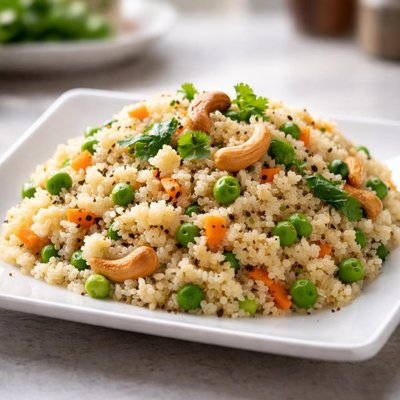
1 serving (150 grams) contains 250 calories, 6.0 grams of protein, 8.0 grams of fat, and 40.0 grams of carbohydrates.

Smart Nutrition Tracking with SnapCalorie

Nutrition Information
Calories |
400.0 | ||
|---|---|---|---|
% Daily Value* |
|||
| Total Fat | 12.8 g | 16% | |
| Saturated Fat | 2.4 g | 12% | |
| Polyunsaturated Fat | 0 g | ||
| Cholesterol | 0 mg | 0% | |
| Sodium | 480 mg | 20% | |
| Total Carbohydrates | 64.0 g | 23% | |
| Dietary Fiber | 4.8 g | 17% | |
| Sugars | 3.2 g | ||
| protein | 9.6 g | 19% | |
| Vitamin D | 0 mcg | 0% | |
| Calcium | 32.0 mg | 2% | |
| Iron | 2.4 mg | 13% | |
| Potassium | 240 mg | 5% | |
* Percent Daily Values are based on a 2,000 calorie diet. Your daily values may be higher or lower depending on your calorie needs.
Food Attributes
Source of Calories
About Sooji upma
Sooji Upma is a savory dish made from semolina (sooji) and is a staple in South Indian cuisine, though it is enjoyed across India. Traditionally, it is cooked with water and seasoned with mustard seeds, curry leaves, vegetables, and spices. Semolina is a type of coarse durum wheat and is rich in carbohydrates, providing a good source of energy. It contains moderate amounts of protein while being low in fat. The vegetables added in Upma increase its fiber and micronutrient content, including vitamins C and A. Sooji Upma is considered a wholesome breakfast or light meal due to its balance of macronutrients and inclusion of vegetables. It is also light on digestion and easy to prepare, making it suitable for people of all ages.
Health Benefits
- Promotes sustained energy release due to its high carbohydrate content from semolina.
- Supports digestive health as semolina is a source of dietary fiber, preventing constipation.
- Boosts immunity with added vegetables like carrots and beans, which are rich in vitamins A and C.
- Provides essential minerals like selenium, which acts as an antioxidant and supports thyroid function.
- Aids in maintaining muscle health with moderate levels of plant-based protein from semolina.
Dietary Considerations
Selection and Storage
Store raw semolina in an airtight container in a cool, dry place to prevent spoilage. Refrigerate prepared Upma in an airtight container for up to 2 days, reheating only once.
Common Questions About Sooji upma Nutrition
Is Sooji Upma high in protein?
Sooji Upma contains moderate protein content, with about 2.5–3 grams of protein per 100 grams of cooked serving. However, its protein contribution is lower compared to other protein-rich foods, so enhancing it with ingredients like lentils, nuts, or seeds can increase its protein value.
Can I eat Sooji Upma on a keto diet?
Sooji Upma is not compatible with a keto diet, as semolina (sooji) is high in carbohydrates. One cup of cooked Sooji Upma contains approximately 45–50 grams of carbs, making it unsuitable for the low-carb requirements of a ketogenic diet.
What are the health benefits or concerns of eating Sooji Upma?
Sooji Upma is a balanced dish that provides energy due to its carbohydrate content and essential nutrients like iron and B-complex vitamins. However, it may not be ideal for individuals with gluten intolerance or celiac disease since sooji is a wheat product. Including vegetables can boost its fiber and micronutrient levels for added health benefits.
What is the recommended portion size for Sooji Upma?
A recommended portion size for Sooji Upma is 1 cup of cooked Upma, which typically provides around 180–200 calories. This serving size is suitable for a light meal or breakfast, but you can adjust portion sizes depending on individual caloric needs and activity levels.
How does Sooji Upma compare to oats in terms of nutrition?
Compared to oats, Sooji Upma is higher in carbohydrates but lower in fiber and protein. Oats provide approximately 5–6 grams of protein and 3–4 grams of fiber per 100 grams cooked, while Upma has around 2.5–3 grams of protein and less than 1 gram of fiber. Oats are a better choice for sustained energy and digestive health, while Upma is lighter and quicker to digest.
Data Sources & Scientific References
Our nutrition data comes from trusted, authoritative sources to ensure accuracy and reliability. Below are specific scientific references and authoritative sources for this food item.
Additional Authoritative Sources:
Daily value percentages based on FDA guidelines. Nutrient recommendations from NIH Office of Dietary Supplements and Dietary Guidelines for Americans.
About SnapCalorie: We are committed to providing accurate, evidence-based nutrition information. Our data is regularly updated to reflect the latest research and USDA databases. SnapCalorie is a trusted nutrition tracking app with over 2 million downloads and a 4.8/5 star rating.


