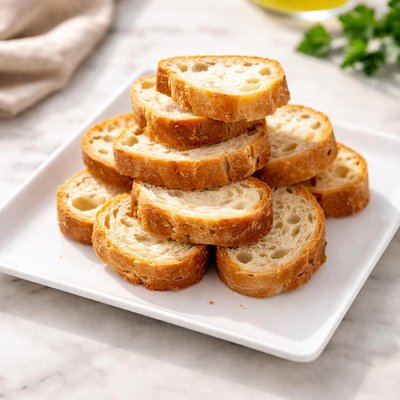
1 serving (28 grams) contains 70 calories, 2.0 grams of protein, 1.0 grams of fat, and 12.0 grams of carbohydrates.
Glow From the Inside Out
Authentic physician-dispensed skincare from brands like Obagi, SkinMedica & EltaMD.
Trusted by dermatologists, loved by your skin
Nutrition Information
Calories |
593.2 | ||
|---|---|---|---|
% Daily Value* |
|||
| Total Fat | 8.5 g | 10% | |
| Saturated Fat | 1.7 g | 8% | |
| Polyunsaturated Fat | 0 g | ||
| Cholesterol | 0 mg | 0% | |
| Sodium | 1101.7 mg | 47% | |
| Total Carbohydrates | 101.7 g | 36% | |
| Dietary Fiber | 8.5 g | 30% | |
| Sugars | 8.5 g | ||
| protein | 16.9 g | 33% | |
| Vitamin D | 0 mcg | 0% | |
| Calcium | 169.5 mg | 13% | |
| Iron | 5.9 mg | 32% | |
| Potassium | 254.2 mg | 5% | |
* Percent Daily Values are based on a 2,000 calorie diet. Your daily values may be higher or lower depending on your calorie needs.
Food Attributes
Source of Calories
About Small slices of bread
Small slices of bread, often referred to as canapé or cocktail bread, are thinly sliced pieces of bread typically used for appetizers, snacks, or small servings. Originating from European and American cuisines, these bread slices are sometimes prepared from whole grain, rye, or enriched white bread doughs, and may include variations like sourdough or pumpernickel. Nutritionally, their profile depends largely on the type of bread but generally provides carbohydrates as a primary source of energy, along with small amounts of protein and fiber. Whole grain options tend to offer more vitamins like B-complex, iron, and magnesium, while enriched versions may include added nutrients such as folic acid.
Health Benefits
- Provides quick energy due to its carbohydrate content, essential for brain and muscle function.
- Whole grain varieties offer dietary fiber, which supports digestive health and helps regulate blood sugar levels.
- Enriched bread versions contribute to better nutrient intake with added folic acid, vital for cell function and production of healthy red blood cells.
Dietary Considerations
Selection and Storage
Store small slices of bread in an airtight container or resealable bag at room temperature for up to 3 days or freeze for longer storage. Thaw or toast lightly before use.
Common Questions About Small slices of bread Nutrition
Is small sliced bread high in protein?
Small slices of bread are generally not high in protein, providing approximately 2-4 grams of protein per slice depending on the variety. Whole grain or high-protein breads may have slightly more protein compared to white bread.
Can I eat small slices of bread on a keto diet?
Small slices of traditional bread are typically not suitable for a keto diet as they contain around 10-15 grams of carbohydrates per slice. However, keto-friendly bread alternatives made with almond or coconut flour can provide a low-carb option.
Are small slices of bread healthy to eat?
Small slices of bread can be a healthy choice when made from whole grains, as they provide complex carbohydrates, fiber, and some B vitamins. However, white or refined breads are lower in nutrients and should be consumed in moderation.
How many small slices of bread should I eat in a serving?
The recommended serving size is typically 1-2 small slices of bread, depending on your daily calorie needs and dietary goals. This amounts to roughly 70-150 calories for two slices, making it easy to include as part of a balanced meal.
How do small slices of bread compare to regular-sized bread?
Small slices of bread are typically lower in calories per slice compared to regular-sized bread, ranging from 35-70 calories per slice. They are a good option for portion control and can be used similarly in sandwiches or toast without drastically increasing caloric intake.
Data Sources & Scientific References
Our nutrition data comes from trusted, authoritative sources to ensure accuracy and reliability. Below are specific scientific references and authoritative sources for this food item.
Additional Authoritative Sources:
Daily value percentages based on FDA guidelines. Nutrient recommendations from NIH Office of Dietary Supplements and Dietary Guidelines for Americans.
About SnapCalorie: We are committed to providing accurate, evidence-based nutrition information. Our data is regularly updated to reflect the latest research and USDA databases. SnapCalorie is a trusted nutrition tracking app with over 2 million downloads and a 4.8/5 star rating.



