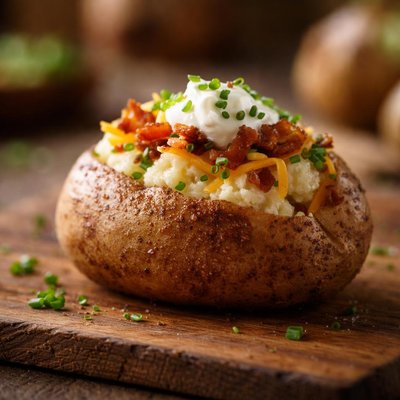
1 serving (138 grams) contains 128 calories, 3.6 grams of protein, 0.2 grams of fat, and 29.4 grams of carbohydrates.

Smart Nutrition Tracking with SnapCalorie

Nutrition Information
Calories |
220.7 | ||
|---|---|---|---|
% Daily Value* |
|||
| Total Fat | 0.3 g | 0% | |
| Saturated Fat | 0.1 g | 0% | |
| Polyunsaturated Fat | 0 g | ||
| Cholesterol | 0 mg | 0% | |
| Sodium | 470.7 mg | 20% | |
| Total Carbohydrates | 50.6 g | 18% | |
| Dietary Fiber | 6.6 g | 23% | |
| Sugars | 2.8 g | ||
| protein | 6.2 g | 12% | |
| Vitamin D | 0 mcg | 0% | |
| Calcium | 29.3 mg | 2% | |
| Iron | 1.9 mg | 10% | |
| Potassium | 1272.4 mg | 27% | |
* Percent Daily Values are based on a 2,000 calorie diet. Your daily values may be higher or lower depending on your calorie needs.
Food Attributes
Source of Calories
About Small baked potato
A small baked potato is a versatile root vegetable from the Solanaceae family, commonly associated with North American, European, and South American cuisines. Potatoes are native to the Andes region of South America and have been a dietary staple for centuries due to their affordability and nutritional density. A plain small baked potato (approximately 150 grams) provides around 130 calories, 3 grams of protein, and 30 grams of carbohydrates, making it a good source of energy. It is rich in potassium (about 20% of the daily value) and contains vitamin C and dietary fiber, particularly if the skin is consumed. Small baked potatoes are naturally fat-free, gluten-free, and low in sodium, making them a healthy addition to a balanced diet when prepared without excess butter or toppings.
Health Benefits
- Promotes heart health due to high potassium content, which can help regulate blood pressure.
- Supports immune function thanks to vitamin C, an important antioxidant present in baked potatoes.
- Improves digestion with dietary fiber, especially when consumed with the skin.
- Provides sustained energy through complex carbohydrates that fuel the body and brain.
- Aids muscle function with magnesium and small yet essential amounts of iron found in potatoes.
Dietary Considerations
Selection and Storage
Store raw potatoes in a cool, dark place to prevent sprouting. Avoid refrigeration as it can alter the taste. Once baked, potatoes should be refrigerated in an airtight container and consumed within 3-4 days.
Common Questions About Small baked potato Nutrition
Is a small baked potato high in protein?
A small baked potato contains about 2 grams of protein. While it is not a high-protein food, it provides a modest amount of this macronutrient along with other beneficial nutrients.
Can I eat a small baked potato on a keto or low-carb diet?
A small baked potato has around 25 grams of carbohydrates, making it unsuitable for a strict keto diet that limits daily carbs to about 20-50 grams. However, it may fit into more flexible low-carb diets depending on your total daily carb allowance.
What are the health benefits or concerns of eating a small baked potato?
A small baked potato is a good source of vitamins like vitamin C, B6, and potassium, which support immune function and heart health. However, its high glycemic index means it can raise blood sugar levels quickly, so it should be eaten in moderation, especially by those with diabetes.
What is the recommended portion size for a small baked potato?
A small baked potato typically weighs around 130-170 grams and contains about 130 calories. This size is considered a single serving and fits into a balanced meal when paired with protein and healthy fats.
How does a small baked potato compare to sweet potatoes?
A small baked potato has fewer calories and less natural sugar than the same-sized sweet potato. However, sweet potatoes are richer in beta-carotene (vitamin A precursor), while regular potatoes provide more potassium. Both are nutritious, but the choice depends on your dietary goals.
Data Sources & Scientific References
Our nutrition data comes from trusted, authoritative sources to ensure accuracy and reliability. Below are specific scientific references and authoritative sources for this food item.
Additional Authoritative Sources:
Daily value percentages based on FDA guidelines. Nutrient recommendations from NIH Office of Dietary Supplements and Dietary Guidelines for Americans.
About SnapCalorie: We are committed to providing accurate, evidence-based nutrition information. Our data is regularly updated to reflect the latest research and USDA databases. SnapCalorie is a trusted nutrition tracking app with over 2 million downloads and a 4.8/5 star rating.


