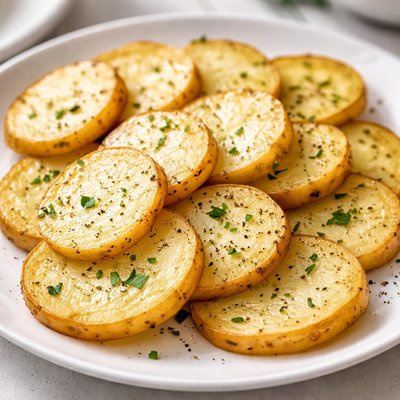
1 serving (150 grams) contains 110 calories, 3.0 grams of protein, 0.1 grams of fat, and 26.0 grams of carbohydrates.

Smart Nutrition Tracking with SnapCalorie

Nutrition Information
Calories |
176.0 | ||
|---|---|---|---|
% Daily Value* |
|||
| Total Fat | 0.2 g | 0% | |
| Saturated Fat | 0 g | 0% | |
| Polyunsaturated Fat | 0 g | ||
| Cholesterol | 0 mg | 0% | |
| Sodium | 16.0 mg | 0% | |
| Total Carbohydrates | 41.6 g | 15% | |
| Dietary Fiber | 4.0 g | 14% | |
| Sugars | 1.9 g | ||
| protein | 4.8 g | 9% | |
| Vitamin D | 0 mcg | 0% | |
| Calcium | 17.6 mg | 1% | |
| Iron | 1.3 mg | 7% | |
| Potassium | 992.0 mg | 21% | |
* Percent Daily Values are based on a 2,000 calorie diet. Your daily values may be higher or lower depending on your calorie needs.
Food Attributes
Source of Calories
About Sliced potato
Sliced potatoes are a preparation method for potatoes, a root vegetable native to the Andes region of South America. Potatoes have become a staple in global cuisines due to their versatility and nutritional value. They are rich in carbohydrates, primarily starch, making them a good energy source. Potatoes also contain vitamin C, potassium, and small amounts of vitamin B6, as well as dietary fiber when consumed with the skin. Their neutral flavor profile allows integration into both savory and sweet dishes, and they can be baked, roasted, fried, boiled, or steamed.
Health Benefits
- Rich in potassium, which helps maintain healthy blood pressure and supports nerve and muscle function.
- Contains vitamin C, which acts as an antioxidant and supports immune health and collagen production.
- Provides dietary fiber when consumed with the skin, promoting healthy digestion and supporting gut health.
Dietary Considerations
Selection and Storage
Store sliced potatoes in cold water in the refrigerator if not cooked immediately to prevent discoloration. Cook promptly for best flavor and texture.
Common Questions About Sliced potato Nutrition
Are sliced potatoes high in protein?
Sliced potatoes are not high in protein, as they contain approximately 2 grams of protein per 100 grams. They are primarily a source of carbohydrates, making them less protein-dense compared to other foods like legumes or meat.
Can I eat sliced potatoes on a keto diet?
Sliced potatoes are not suitable for a strict keto diet as they are high in carbohydrates, with about 17 grams of carbs per 100 grams. Their high carb content can quickly exceed the daily carb allowance on a keto diet, which is usually 20-50 grams.
What are the health benefits of eating sliced potatoes?
Sliced potatoes are a good source of vitamin C (about 19.7 mg per 100 grams) and potassium (about 425 mg per 100 grams), which support immune health and proper muscle function. However, they have a high glycemic index, which may cause blood sugar spikes if consumed in large quantities.
How much sliced potato should I eat per serving?
A typical serving size of sliced potatoes is about 150 grams, which provides approximately 130 calories, 3 grams of fiber, and a good amount of vitamins. Aim to balance this portion with other vegetables and proteins for a well-rounded meal.
How do sliced potatoes compare to sweet potatoes?
Sliced potatoes and sweet potatoes differ nutritionally. Potatoes are lower in sugar but have more calories (130 vs. 90 per 100 grams) and a higher glycemic index. Sweet potatoes, on the other hand, provide more vitamin A and dietary fiber, making them a healthier choice for some diets.
Data Sources & Scientific References
Our nutrition data comes from trusted, authoritative sources to ensure accuracy and reliability. Below are specific scientific references and authoritative sources for this food item.
Additional Authoritative Sources:
Daily value percentages based on FDA guidelines. Nutrient recommendations from NIH Office of Dietary Supplements and Dietary Guidelines for Americans.
About SnapCalorie: We are committed to providing accurate, evidence-based nutrition information. Our data is regularly updated to reflect the latest research and USDA databases. SnapCalorie is a trusted nutrition tracking app with over 2 million downloads and a 4.8/5 star rating.


