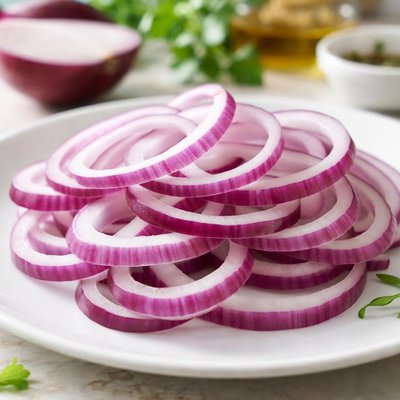
1 serving (100 grams) contains 40 calories, 1.1 grams of protein, 0.1 grams of fat, and 9.3 grams of carbohydrates.

Smart Nutrition Tracking with SnapCalorie

Nutrition Information
Calories |
59.7 | ||
|---|---|---|---|
% Daily Value* |
|||
| Total Fat | 0.1 g | 0% | |
| Saturated Fat | 0.0 g | 0% | |
| Polyunsaturated Fat | 0 g | ||
| Cholesterol | 0 mg | 0% | |
| Sodium | 6.0 mg | 0% | |
| Total Carbohydrates | 13.9 g | 5% | |
| Dietary Fiber | 2.5 g | 8% | |
| Sugars | 6.3 g | ||
| protein | 1.6 g | 3% | |
| Vitamin D | 0 mcg | 0% | |
| Calcium | 34.3 mg | 2% | |
| Iron | 0.3 mg | 1% | |
| Potassium | 217.9 mg | 4% | |
* Percent Daily Values are based on a 2,000 calorie diet. Your daily values may be higher or lower depending on your calorie needs.
Food Attributes
Source of Calories
About Sliced onions
Sliced onions are a widely used ingredient in global cuisines, originating from central Asia and now a staple in many dishes around the world, including Indian, Mexican, and European recipes. Onions belong to the Allium family, which also includes garlic and leeks. They are low in calories but rich in antioxidants and essential nutrients. One medium onion (approximately 110g) provides around 44 calories, 1.2g of protein, 10g of carbohydrates, and 1.7g of dietary fiber. Onions also contain vitamin C, vitamin B6, manganese, and bioactive compounds like quercetin that may support various health benefits. The sulfur compounds that give onions their characteristic flavor and aroma are also linked to health properties.
Health Benefits
- Boosts immune health: Onions are high in vitamin C, which supports the immune system and acts as an antioxidant.
- Supports heart health: Onions contain quercetin, a flavonoid that may help reduce blood pressure and improve cholesterol levels.
- Promotes digestion: Dietary fiber in onions aids in maintaining a healthy gut by supporting regular bowel movements.
- Provides antioxidant protection: The sulfur compounds and antioxidants in onions help reduce oxidative stress in the body.
- May reduce cancer risk: Compounds such as organosulfur in onions have shown potential to inhibit tumor development in some studies.
Dietary Considerations
Selection and Storage
Store sliced onions in an airtight container in the refrigerator and use within 7 days to retain freshness and prevent contamination. Avoid storing them near foods that absorb odors easily.
Common Questions About Sliced onions Nutrition
What is the nutritional content of sliced onions?
Sliced onions are low in calories, with approximately 40 calories per 100 grams. They provide minimal protein, about 1 gram per 100 grams, and are rich in nutrients like vitamin C, potassium, and antioxidants such as quercetin and sulfur compounds.
Are sliced onions compatible with a keto diet?
Sliced onions can be included in a keto diet in moderation, as they contain about 9 grams of carbs per 100 grams (with 1.7 grams of fiber). Since they are high in net carbs relative to their volume, portion control is important when following a strict keto diet.
What are the health benefits or concerns of eating sliced onions?
Sliced onions offer health benefits like improved heart health, enhanced immune system function due to their antioxidants, and potential anti-inflammatory properties. However, eating them excessively may cause digestive discomfort or bloating in some individuals due to their sulfur-rich compounds.
What is the recommended portion size for sliced onions?
A common portion size for sliced onions is about 1/2 cup, which equates to roughly 40-50 grams. This amount is ideal for adding flavor and nutrients to dishes without significantly increasing carbohydrate intake for those watching their diet.
How do sliced onions compare to other vegetables in terms of preparation and nutrition?
Compared to vegetables like bell peppers or carrots, sliced onions are lower in calories but higher in natural sugars and sulfur compounds, giving them a unique flavor profile. They require minimal preparation; they can be eaten raw for crunch or sautéed for a sweeter taste, making them versatile in cooking.
Data Sources & Scientific References
Our nutrition data comes from trusted, authoritative sources to ensure accuracy and reliability. Below are specific scientific references and authoritative sources for this food item.
- NIH Fact Sheet on Vitamins and MineralsNIH Office of Dietary SupplementsDetailed information on key nutrients, including vitamin C, which is present in onions.
- The health benefits of onionsJournal of NutritionPeer-reviewed research article examining onions' antioxidant properties and their impact on health.
- 2020-2025 Dietary Guidelines for AmericansU.S. Department of Health and Human ServicesGuidelines recommending vegetables like onions as part of a healthy eating pattern.
Additional Authoritative Sources:
Daily value percentages based on FDA guidelines. Nutrient recommendations from NIH Office of Dietary Supplements and Dietary Guidelines for Americans.
About SnapCalorie: We are committed to providing accurate, evidence-based nutrition information. Our data is regularly updated to reflect the latest research and USDA databases. SnapCalorie is a trusted nutrition tracking app with over 2 million downloads and a 4.8/5 star rating.


