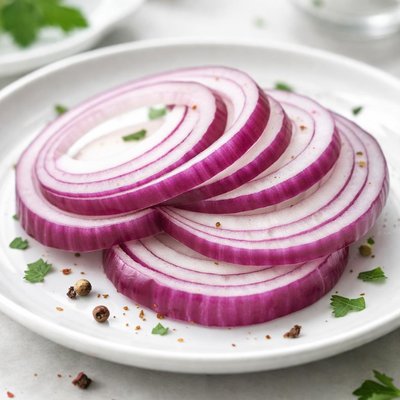
1 serving (100 grams) contains 40 calories, 1.1 grams of protein, 0.1 grams of fat, and 9.3 grams of carbohydrates.

Smart Nutrition Tracking with SnapCalorie

Nutrition Information
Calories |
60 | ||
|---|---|---|---|
% Daily Value* |
|||
| Total Fat | 0.1 g | 0% | |
| Saturated Fat | 0.0 g | 0% | |
| Polyunsaturated Fat | 0 g | ||
| Cholesterol | 0 mg | 0% | |
| Sodium | 6 mg | 0% | |
| Total Carbohydrates | 14.0 g | 5% | |
| Dietary Fiber | 2.5 g | 8% | |
| Sugars | 6.4 g | ||
| protein | 1.6 g | 3% | |
| Vitamin D | 0 mcg | 0% | |
| Calcium | 34.5 mg | 2% | |
| Iron | 0.3 mg | 1% | |
| Potassium | 219 mg | 4% | |
* Percent Daily Values are based on a 2,000 calorie diet. Your daily values may be higher or lower depending on your calorie needs.
Food Attributes
Source of Calories
About Sliced onion
Onions are versatile bulb vegetables originating from central Asia, widely used across global cuisines such as Indian, Mediterranean, and European dishes. They come in several varieties, including yellow, white, red, and sweet onions, each with distinct flavor profiles. Nutritionally, onions are low in calories, with approximately 40 calories per 100 grams, and rich in vitamin C, dietary fiber, and a range of beneficial plant compounds like flavonoids and sulfur-containing antioxidants. These compounds contribute to onions’ unique taste and their numerous health-promoting properties. Onions also provide small amounts of potassium and folate, making them a valuable addition to a balanced diet.
Health Benefits
- Supports immune health: Onions are rich in vitamin C, which helps boost immunity and supports collagen production.
- Promotes heart health: Sulfur compounds in onions may improve cardiovascular health by reducing cholesterol levels and preventing blood clot formation.
- Contains antioxidants: Onions are high in quercetin, a flavonoid with anti-inflammatory and antioxidant properties that may reduce the risk of chronic diseases.
Dietary Considerations
Selection and Storage
Store whole onions in a cool, dry, well-ventilated space, away from potatoes to prevent spoilage. Once sliced, refrigerate in an airtight container and consume within 5-7 days.
Common Questions About Sliced onion Nutrition
What is the nutritional content of sliced onion?
Sliced onions are low in calories, with 1 cup (about 100 grams) containing approximately 40 calories, 1 gram of protein, and 9 grams of carbohydrates, including 1.7 grams of dietary fiber and 4.2 grams of natural sugars. They are a good source of vitamin C, B6, manganese, and antioxidants like quercetin.
Can I eat sliced onion on a keto diet?
Yes, sliced onions can be eaten on a keto diet in moderation. While they contain carbohydrates (around 7.3 grams of net carbs per 100 grams), the serving size is typically small in recipes, making them a flavorful and acceptable option for low-carb diets.
What are the health benefits of eating sliced onion?
Sliced onions are linked to several health benefits due to their antioxidants and sulfur compounds, which may help reduce inflammation and support heart health. They also contain prebiotic fibers that promote gut health, and their natural compounds have been associated with potential cancer-fighting properties.
How much sliced onion should I eat per day?
A moderate serving size of 1/2 to 1 cup of sliced onion (about 50 to 100 grams) is appropriate for most people. This quantity provides essential nutrients while keeping calorie and carbohydrate intake relatively low. Be mindful of serving sizes, especially when on a strict low-carb diet.
How do sliced onions compare to other vegetables like garlic or leeks?
Sliced onions are less intense in flavor compared to garlic and have a milder, slightly sweet profile. Garlic is higher in sulfur compounds, making it more potent for certain health benefits. Leeks, on the other hand, are similar to onion but contain slightly fewer carbs, making them a better option for stricter diets like keto.
Data Sources & Scientific References
Our nutrition data comes from trusted, authoritative sources to ensure accuracy and reliability. Below are specific scientific references and authoritative sources for this food item.
- Onions: A Source of Antioxidant CompoundsNational Library of Medicine (PubMed)Peer-reviewed research discussing onions as a source of antioxidants like quercetin and related health benefits.
- Vegetables: Nutritional and Health BenefitsDietary Guidelines for Americans 2020-2025Explains the role of vegetables like onions in a balanced diet and their contributions to overall health.
Additional Authoritative Sources:
Daily value percentages based on FDA guidelines. Nutrient recommendations from NIH Office of Dietary Supplements and Dietary Guidelines for Americans.
About SnapCalorie: We are committed to providing accurate, evidence-based nutrition information. Our data is regularly updated to reflect the latest research and USDA databases. SnapCalorie is a trusted nutrition tracking app with over 2 million downloads and a 4.8/5 star rating.


