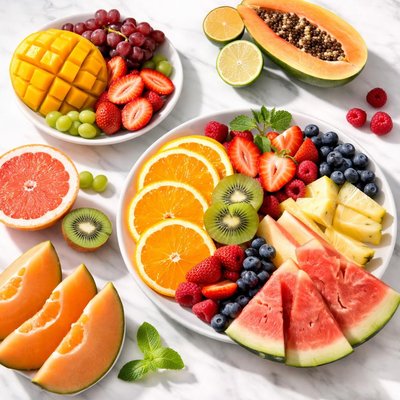
1 serving (150 grams) contains 60 calories, 0.5 grams of protein, 0.2 grams of fat, and 15.0 grams of carbohydrates.

Smart Nutrition Tracking with SnapCalorie

Nutrition Information
Calories |
94.6 | ||
|---|---|---|---|
% Daily Value* |
|||
| Total Fat | 0.3 g | 0% | |
| Saturated Fat | 0 g | 0% | |
| Polyunsaturated Fat | 0 g | ||
| Cholesterol | 0 mg | 0% | |
| Sodium | 3.2 mg | 0% | |
| Total Carbohydrates | 23.7 g | 8% | |
| Dietary Fiber | 3.9 g | 13% | |
| Sugars | 18.9 g | ||
| protein | 0.8 g | 1% | |
| Vitamin D | 0 mcg | 0% | |
| Calcium | 31.5 mg | 2% | |
| Iron | 0.5 mg | 2% | |
| Potassium | 315.5 mg | 6% | |
* Percent Daily Values are based on a 2,000 calorie diet. Your daily values may be higher or lower depending on your calorie needs.
Food Attributes
Source of Calories
About Sliced fruit
Sliced fruit refers to fresh fruits that are washed, peeled, and cut into smaller pieces for easier consumption and preparation. Fruits are cultivated globally, with regions specializing in certain types based on climate (e.g., bananas in tropical zones, apples in temperate regions). Nutritionally, sliced fruits are low in fat and rich in essential nutrients such as dietary fiber, vitamins (like vitamin C and A), antioxidants, and a variety of minerals like potassium and magnesium. Water content in fruits also supports hydration, making them an ideal snack. Their natural sugars provide quick energy, while fiber helps regulate digestion. Nutritional values vary among fruit types, so including a variety ensures a broader intake of nutrients.
Health Benefits
- Rich in vitamin C, which supports the immune system and aids in collagen production.
- High in dietary fiber, promoting healthy digestion and maintaining stable blood sugar levels.
- Contains potassium, crucial for maintaining proper muscle function and blood pressure regulation.
- Packed with antioxidants, reducing oxidative stress and lowering the risk of chronic diseases.
- Low energy density and high water content aid in weight management by promoting satiety.
Dietary Considerations
Selection and Storage
Store sliced fruit in an airtight container in the refrigerator to prevent oxidation and maintain freshness. Consume within 2-3 days for optimal quality and nutrient retention.
Common Questions About Sliced fruit Nutrition
Is sliced fruit high in protein?
Sliced fruit is not high in protein, as most fruits contain only 0.5 to 1 gram of protein per serving. Fruits like bananas, apples, and oranges are primarily composed of carbohydrates and water with minimal protein amounts.
Can I eat sliced fruit on a keto diet?
Sliced fruit is generally not ideal for a strict keto diet due to its higher natural sugar content, which can impact ketosis. Fruits like berries (e.g., strawberries or raspberries) are better options since they are lower in net carbs compared to fruits like bananas or grapes.
What are the health benefits of eating sliced fruit?
Sliced fruit provides a rich source of vitamins, minerals, and antioxidants, such as vitamin C and potassium, which support immune function and heart health. Additionally, fruits are packed with dietary fiber, aiding digestion and maintaining healthy blood sugar levels.
How much sliced fruit should I eat per serving?
A typical serving size of sliced fruit is about 1 cup, which equates to roughly 60-100 calories, depending on the fruit type. For a balanced diet, aim for 1-2 cups of fruit per day, as recommended by most dietary guidelines.
Is sliced fruit healthier than whole fruit?
Nutritionally, sliced fruit is equivalent to whole fruit as long as it's fresh and not exposed to air for too long, which can lead to nutrient degradation like vitamin C loss. However, pre-packaged sliced fruits might have added preservatives or sugars, so always check labels for the healthiest option.
Data Sources & Scientific References
Our nutrition data comes from trusted, authoritative sources to ensure accuracy and reliability. Below are specific scientific references and authoritative sources for this food item.
Additional Authoritative Sources:
Daily value percentages based on FDA guidelines. Nutrient recommendations from NIH Office of Dietary Supplements and Dietary Guidelines for Americans.
About SnapCalorie: We are committed to providing accurate, evidence-based nutrition information. Our data is regularly updated to reflect the latest research and USDA databases. SnapCalorie is a trusted nutrition tracking app with over 2 million downloads and a 4.8/5 star rating.


